
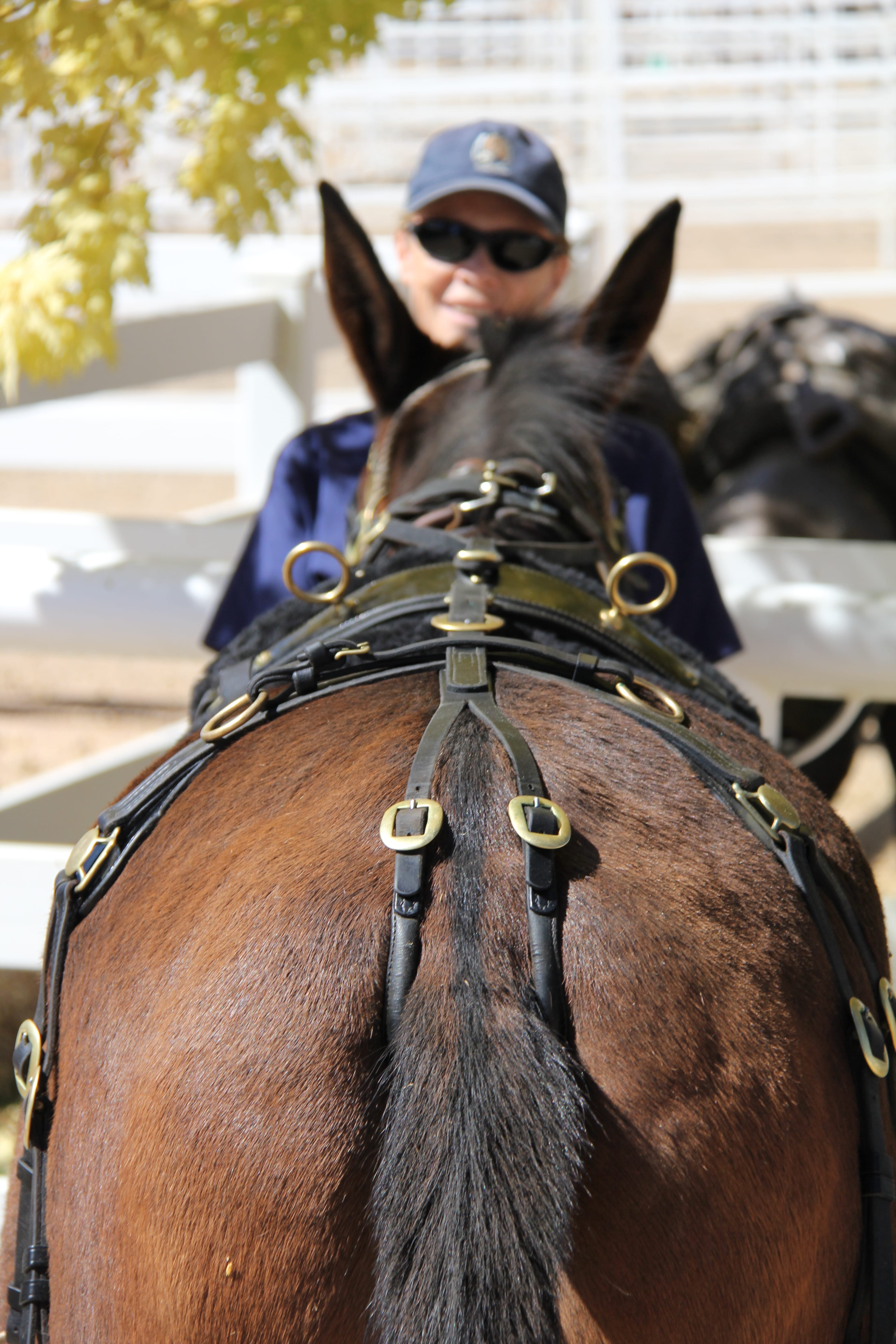
As a leading equine training expert, I’ve seen firsthand how the right equipment can revolutionize the human-horse relationship. Among the most crucial tools is the training harness. It’s more than just leather and buckles; it’s a sophisticated aid designed to enhance communication, build trust, and promote ethical training practices. At “Equine Excellence,” we believe in equipping riders and trainers with the knowledge to make informed choices, ensuring the well-being and development of every horse. This guide delves into the world of Horse Training Harnesses, exploring their types, benefits, and how to select the perfect one for your needs.
Understanding the Purpose of a Training Harness
A horse training harness is a specialized piece of equipment that fits around the horse’s head, neck, and sometimes body, offering multiple points of contact for the handler. Unlike a simple bridle or halter, a training harness provides more nuanced control and aids in guiding the horse through various training exercises. Its primary goals are:
- Enhanced Communication: Provides clear, consistent cues to the horse, reducing ambiguity and fostering a better understanding between horse and handler.
- Improved Control: Offers greater leverage and control, particularly beneficial for young or green horses, or for specific disciplines requiring precise movements.
- Correction and Guidance: Aids in correcting unwanted behaviors or guiding the horse into specific postures and movements during training.
- Safety: For both the horse and handler, a well-fitted training harness can increase safety during the learning process.
Types of Horse Training Harnesses
The diverse needs of horse training have led to the development of various harness styles, each with its unique application. Understanding these differences is key to selecting the most appropriate tool.
The Longeing/Lungeing Harness
This is perhaps the most common type of training harness. Designed for working with a horse in- a circle from the ground, the longeing harness typically features a surcingle (a strap that goes around the horse’s barrel) and various adjustable straps that can be configured to encourage proper head carriage and posture.
- Key Features: Surcingle, adjustable side-reins, and often a back strap or roller.
- Primary Use: Training young horses to accept contact and develop balance, teaching collection, and improving gaits during groundwork. It encourages the horse to work forward from the hindquarters and engage the topline.
- Benefits: Promotes self-carriage, develops the horse’s muscles correctly, and allows the trainer to observe the horse’s movement from all angles.
The Side-Pull Bridle
While technically a type of bridle, the side-pull functions very similarly to a training harness by offering direct rein pressure to the nose. Instead of a bit, the reins attach to rings on the side of the noseband.
- Key Features: Noseband with side rings, no bit.
- Primary Use: Gentle starting for young horses, transitioning from groundwork to riding, or for horses that are sensitive to bits.
- Benefits: Offers a gentler introduction to rein aids, discouraging pulling against the bit and encouraging the horse to yield to pressure softly.
The Mechanical Hackamore
A more advanced bitless option, the mechanical hackamore uses shanks that provide leverage when rein pressure is applied. The noseband on a hackamore is typically wider and more padded than a side-pull to distribute pressure.
- Key Features: Shanks, leverage action, padded noseband.
- Primary Use: Horses that are uncomfortable with bits, sensitive mouths, or for specific disciplines where hackamores are traditional.
- Benefits: Provides significant control and leverage without a bit, but requires a very experienced handler due to the potential for harshness if misused. It’s crucial to understand the mechanics and apply reins with extreme care.
Combination and Specialized Harnesses
Beyond these primary types, many harnesses incorporate features from others, or are designed for very specific training goals. Some longeing systems, for instance, can be adapted to allow for a rider to sit on the horse while the horse is still attached to training lines. In some instances, specialized equipment like the northern Nevada correctional center wild horse training facility utilizes unique harnesses adapted for their specific programs.
Choosing the Right Training Harness
Selecting the appropriate training harness depends on several factors, including the horse’s age, training level, temperament, and the specific discipline you are focusing on.
Consider the Horse’s Age and Training Stage
- Young/Green Horses: A simple longeing system or a side-pull is often ideal. These tools help establish basic communication and build confidence without overwhelming the horse.
- Intermediate Horses: As a horse develops, more sophisticated longeing setups or a well-managed mechanical hackamore might be introduced, depending on the training goals.
- Advanced Horses: While advanced horses may not require a “training” harness in the traditional sense, specialized equipment may still be used for specific disciplines or refinement.
Temperament and Sensitivity
A sensitive horse may respond better to gentler aids like a side-pull, while a more stoic or strong-willed horse might benefit from the clearer communication offered by a properly adjusted longeing harness or hackamore. Always prioritize the horse’s comfort and willingness to learn.
Discipline and Goals
- Dressage: Focus on collection, suppleness, and self-carriage. A well-designed longeing system is invaluable.
- Western Pleasure/Trail: Emphasis on a soft headset and responsiveness. A side-pull or a hackamore might be preferred.
- General Foundation Training: Versatility is key. A good quality longeing harness can serve many purposes.
Fit is Paramount
Regardless of the type of harness chosen, proper fit is non-negotiable. An ill-fitting harness can cause discomfort, create pressure points, impede movement, and even lead to injury.
- Check for Rubbing: Ensure no straps are rubbing the skin raw, particularly around the ears, poll, and nose.
- Adjustable Straps: The harness should have ample adjustability to conform to your horse’s unique conformation.
- Secure but Not Tight: It should be snug enough to provide clear cues but not so tight that it restricts breathing or creates excessive pressure.
Using Training Harnesses Ethically and Effectively
A training harness is a tool, and like any tool, its effectiveness and ethical use depend entirely on the handler.
The Importance of Knowledge
Before using any training harness, educate yourself on its proper application. Understand how the pressure is distributed and how your cues will be interpreted by the horse. Resources like james bond horse trainer can offer insights into specialized training techniques, though their application might differ.
Gradual Introduction
Introduce the harness slowly and positively. Allow the horse to investigate it, associate it with rewards, and wear it for short periods before introducing actual training exercises.
Consistent and Fair Cues
Use clear, consistent, and fair aids. Avoid yanking or harsh movements. The goal is to communicate, not to force. A consistent approach is similar to the disciplined training seen in programs designed to train animals for specific roles, much like those at facilities that train animals for film or specialized tasks.
Observe Your Horse
Pay close attention to your horse’s body language. Signs of stress, discomfort, or confusion should prompt you to reassess your approach, the equipment, or to seek guidance from an experienced trainer. This level of observation is crucial, whether you are training a young horse, working with a rescue, or simply refining skills, much like the detailed attention required for different kinds of horse racing, where subtle changes in a horse’s demeanor can signal issues.
When to Seek Professional Help
If you are struggling to achieve desired results, if your horse shows persistent signs of distress, or if you are unsure about the proper use of a specific harness, do not hesitate to consult a qualified equine trainer. They can provide personalized guidance and ensure you are using the equipment safely and effectively. For those interested in specific competitive fields, understanding the training methodologies employed for events like horse racing in new jersey or at premier venues such as kentucky horse racing tracks can offer valuable insights into disciplined training.
Conclusion: Building a Better Partnership
The horse training harness is a powerful ally in the journey of equine education. By understanding the different types available, carefully selecting the right fit, and employing ethical and knowledgeable training methods, you can significantly improve communication and strengthen the bond with your horse. At Equine Excellence, we champion tools that foster mutual respect and understanding, paving the way for a truly exceptional partnership. The continuous learning and adaptation in horse training mirror the dynamic nature of equestrian sports and the ongoing quest for excellence in every aspect of horsemanship.
