
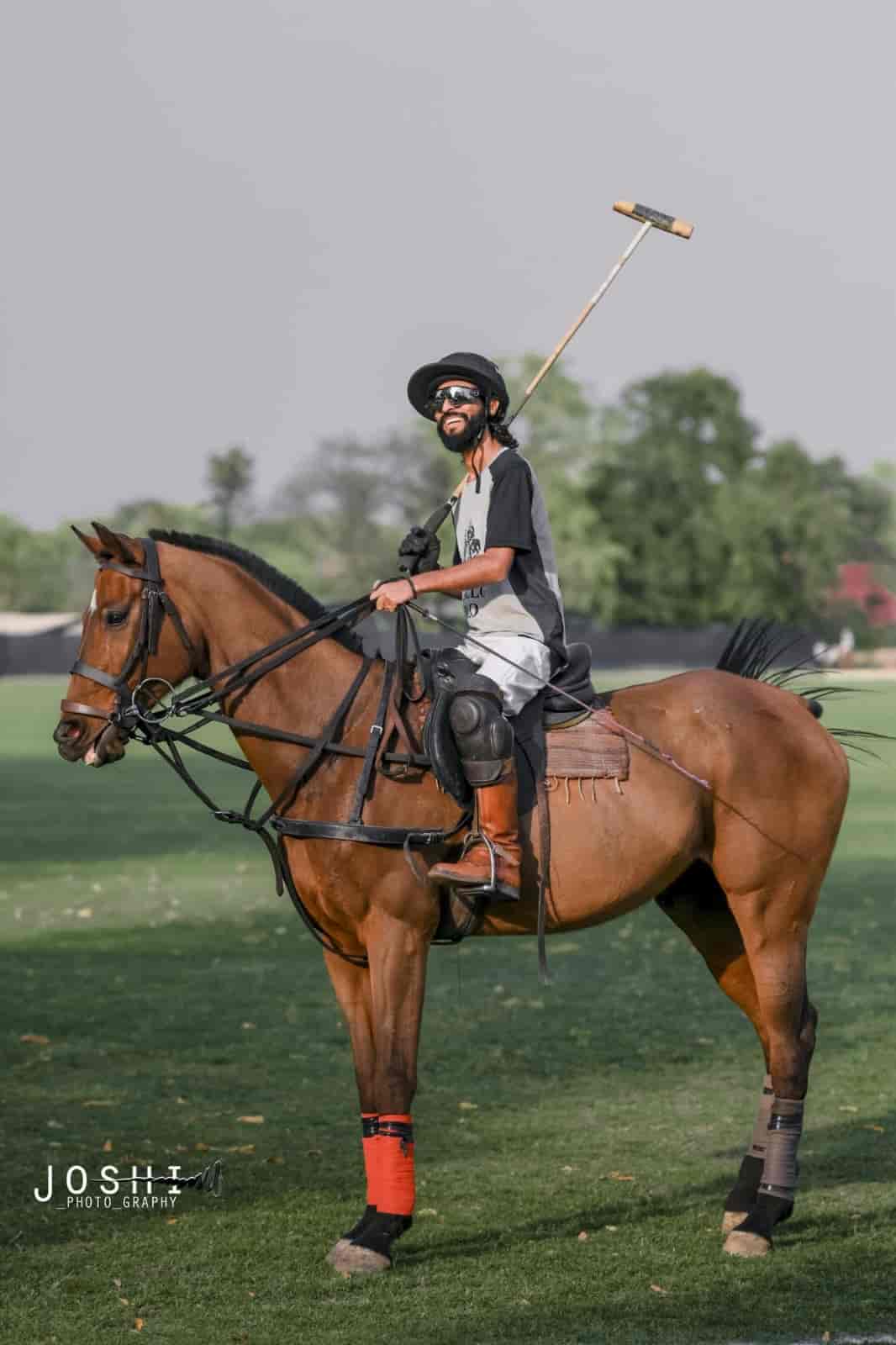
The journey of horse training is a profound partnership, built on trust, communication, and a deep understanding of equine behavior. At the heart of effective training lies the ability to clearly and consistently guide your horse. This is where the humble yet powerful handy stick, often referred to as a dressage whip or training stick, becomes an indispensable tool. Far from being a mere implement of correction, when used with knowledge and empathy, it’s a sophisticated communication aid that can unlock a horse’s potential and deepen the bond between rider and animal. “Equine Excellence” is dedicated to exploring these nuanced aspects of horse training, ensuring that every interaction fosters growth, respect, and a harmonious partnership.
Understanding the Handy Stick: More Than Just a Stick
The handy stick, in its various forms, is designed to extend the trainer’s reach and clarify their aids. It’s not about force, but about precision. Think of it as a pointer, a way to direct your horse’s attention and energy without needing to be physically on top of them. Its effectiveness lies in its ability to create a clear visual and physical boundary, helping your horse understand where to go, what to do, and how to respond to your subtle cues. The key to its mastery is understanding that it amplifies your intention, making your aids more distinct and easier for the horse to interpret.
The Science Behind the Aid
Horses are prey animals, highly attuned to subtle movements and visual cues. The handy stick, when used correctly, taps into this innate sensitivity. A gentle tap on the shoulder can ask for a step sideways, a wave of the stick can encourage forward movement, and a flick towards the hindquarters can ask for engagement. It’s about using the stick to communicate from a distance, allowing the horse to process the request and respond without the immediate physical pressure that might come from direct contact. This communication style builds confidence in the horse, as they learn to respond to clearer, less ambiguous signals.
Types of Training Sticks
While the core function remains the same, training sticks come in various lengths and designs. Shorter whips might be used for closer in-hand work, while longer sticks are ideal for riding, allowing for clear signals at a distance. Some have poppers or lashes at the end, which can add an audible cue or a more distinct tactile sensation. It’s crucial to choose a stick that feels balanced and comfortable in your hand, and to select a type that suits your specific training goals and the temperament of your horse.
Effective Techniques for Using the Handy Stick
The true art of using a handy stick lies in its application. It’s a tool that requires finesse, consistency, and a deep respect for the horse. Misuse can lead to fear, resentment, and a breakdown in communication. However, used with intention and understanding, it becomes a powerful ally in building a responsive and willing partner.
In-Hand Training: Building Foundation
In-hand work is the bedrock of all horse training, and the handy stick plays a vital role here. It helps you establish personal space and teach your horse to move away from your hand and the stick.
- Asking for Lateral Movement: Holding the stick out to the side, a gentle tap or wave towards the horse’s shoulder can encourage them to step away from the pressure. This is fundamental for teaching side-passes and yielding to pressure.
- Encouraging Forward Movement: A gentle tap on the hindquarters, or a slight wave of the stick behind them, can encourage the horse to move forward willingly. It’s about creating a polite push, not a chase.
- Establishing Personal Space: Simply holding the stick out can help create a defined space around you, teaching the horse to respect your boundaries. This is crucial for safety and control.
Riding Applications: Refining Communication
When riding, the handy stick becomes an extension of your leg and seat aids, adding clarity and emphasis.
- Enhancing Leg Aids: If your horse is dull to your leg, a gentle tap with the stick on their flank can reinforce the request to move forward or step sideways. It’s about making your aids distinct, not about over-correction.
- Controlling Hindquarters: For exercises like turns on the forehand or counter-canter, the stick can be used to guide and engage the horse’s hindquarters more precisely.
- Maintaining Engagement: In transitions or when working on collection, the stick can help keep the horse’s hind legs actively engaged and under them.
Best Practices for Ethical and Effective Training
The handy stick is a tool of communication, not punishment. Its effectiveness is directly tied to the trainer’s understanding and ethical application.
Consistency is Key
Horses thrive on predictability. Use the handy stick in the same way, every time, for the same cues. Inconsistent use will confuse your horse and undermine the training process. A clear, consistent signal is far more effective than a harsh, infrequent one.
Sensitivity and Timing
Learn to read your horse’s responses. If they are tense or fearful, ease up. If they are offering the correct response, soften your aid or drop the stick altogether to reward them. Timing is everything; the aid should be applied just as the horse is about to misunderstand or fail, and removed the moment they offer the correct response. This immediate feedback loop is critical for learning.
The Art of the “Soft Hand”
Even when using a stick, your hands should remain “soft” and receptive. The stick is an aid, not a lever to bully the horse. Keep your own body relaxed, and focus on clear, intentional movements. The goal is to communicate, not to dominate.
When to Put the Stick Down
Recognize when the stick is no longer needed. As your horse becomes more responsive and understanding, you should be able to phase out the stick, relying instead on subtler cues. The ultimate aim is a partnership where the horse responds willingly to the lightest touch, the slightest shift in weight. The handy stick is a stepping stone, not the final destination.
Common Mistakes to Avoid
- Over-reliance: Using the stick out of frustration or habit, rather than as a specific aid.
- Harshness: Hitting the horse excessively or with excessive force. This breaks trust and creates fear.
- Inconsistency: Applying the same cue differently at various times.
- Lack of Timing: Applying the aid too late or too early, making it ineffective.
- Using it for Punishment: The stick should never be used to punish a horse for past mistakes, only to guide them in the present moment.
Conclusion: Building a Stronger Partnership
The handy stick, when wielded with knowledge, patience, and a deep respect for the horse, is a powerful instrument for building a clear, trusting, and effective partnership. It allows for nuanced communication, enhances the trainer’s ability to guide, and ultimately helps the horse to understand and respond more readily. By mastering the art of using this tool ethically and effectively, you are not just training a horse; you are deepening a relationship, fostering mutual respect, and paving the way for a truly exceptional equine experience. Embrace the journey of Horse Training Handy Stick with clarity and compassion, and watch your partnership with your horse flourish.
