
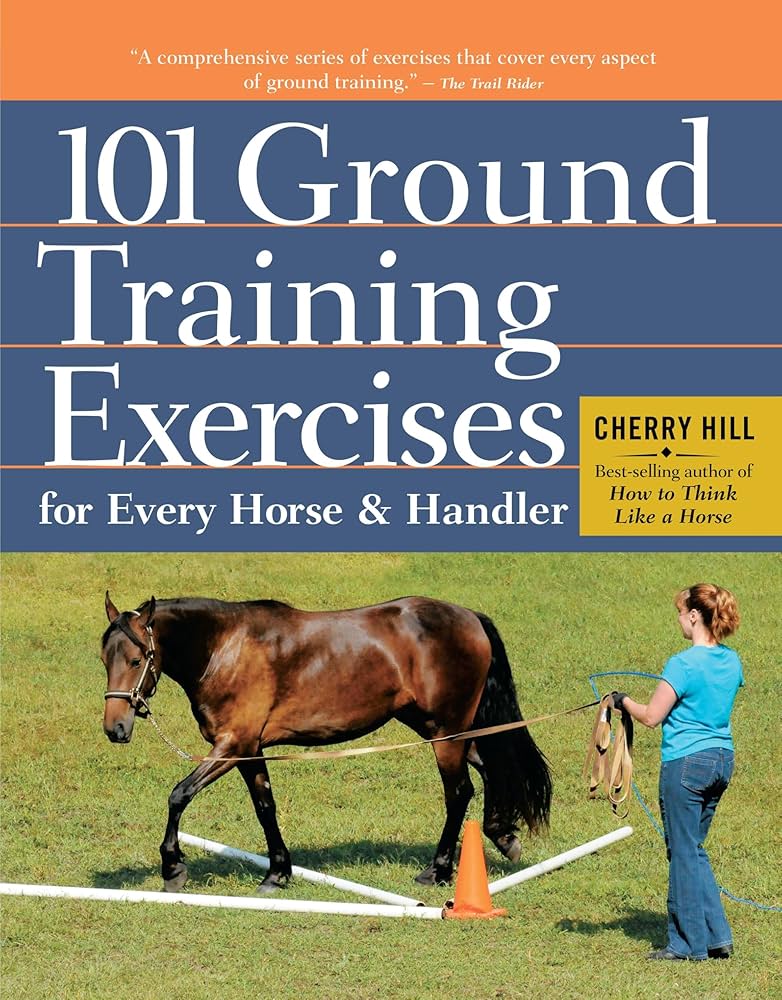
The secret to a remarkable partnership with your horse doesn’t begin in the saddle; it starts with your feet firmly on the ground. This is the essence of Horse Training Groundwork, a comprehensive discipline that shapes a horse’s behavior, respect, and physical capabilities long before a rider ever climbs on. It’s a language of pressure, release, and mutual understanding that builds the bedrock of trust and communication. Whether you’re working with a young colt or refining an experienced partner, mastering groundwork is the most profound investment you can make in your horsemanship journey. It’s not merely about teaching commands; it’s about fostering a willing, confident, and safe equine companion. A solid foundation in groundwork training for your horse translates directly to better performance, improved safety, and a deeper, more intuitive connection under saddle.
Why Groundwork is Non-Negotiable in Horse Training
Before diving into the “how,” it’s crucial to understand the “why.” Groundwork is far more than just a warm-up routine; it’s the dialogue that underpins your entire relationship. It establishes boundaries, teaches crucial life skills, and prepares the horse both mentally and physically for the demands of riding and performance.
Building a Partnership on Trust and Respect
At its core, groundwork is about establishing leadership. A horse is a herd animal, instinctively seeking a clear and confident leader. Through consistent and fair exercises, you demonstrate that you are that leader—one who is predictable, safe, and trustworthy. When your horse yields to pressure from the ground, respects your personal space, and looks to you for guidance, you are building a foundation of respect that is essential for any successful partnership. This mutual respect ensures that when you face a challenging situation, your horse will look to you for answers rather than reacting out of fear.
Enhancing Safety for Horse and Handler
A horse that hasn’t been properly educated on the ground can be a significant danger. Simple actions like leading, tying, and handling for veterinary or farrier care become hazardous without a baseline of groundwork. Teaching a horse to yield to pressure, move away from you on command, and stand patiently are not just training exercises; they are critical safety protocols. This training significantly reduces the risk of being pushed, stepped on, or bolted from, creating a safer environment for everyone involved.
Developing Physical and Mental Fitness
Groundwork is an exceptional tool for physical conditioning. Exercises like lunging and long lining encourage the horse to use its body correctly, building topline muscle, improving balance, and increasing suppleness without the weight of a rider. It’s particularly vital for the development of a young horse, preparing its musculoskeletal system for the demands of riding. Mentally, it keeps a horse engaged and focused, teaching them to think through problems and respond to cues with intelligence rather than instinct.
Getting Started: Tools and a Safety-First Mindset
To begin your horse training groundwork journey, you don’t need a lot of expensive equipment, but you do need the right tools. More importantly, you need a safety-first approach.
- Rope Halter and a 12-14 Foot Lead Rope: A rope halter provides clearer communication than a web halter due to its thinner, firmer construction. The long lead rope is crucial for giving the horse space to move while you maintain safe control.
- A Training Stick or Flag: This is not a whip but an extension of your arm. It helps to apply pressure from a distance, cueing the horse to move without you having to enter its personal space. A retractable horse training flag can be especially useful for desensitization exercises.
- Protective Gear: Always wear sturdy, closed-toe boots and consider wearing a helmet and gloves, even when on the ground. Accidents can happen quickly.
- A Safe, Enclosed Area: A round pen or a small, securely fenced arena is ideal. This controlled environment minimizes distractions and prevents the horse from running off if it gets confused or scared.
Dr. Alistair McLean, a leading equine behaviorist, states, “The most common mistake handlers make is underestimating the importance of a controlled environment. Your training space should be your sanctuary, a place where both you and the horse can focus entirely on the lesson at hand without external pressures.”
Core Horse Training Groundwork Exercises
These fundamental exercises are the building blocks of a comprehensive groundwork education. Master these, and you will have a horse that is respectful, responsive, and ready to learn more complex tasks. This is especially true when starting the journey of groundwork training with a young horse, where these first steps are paramount.
Yielding the Hindquarters and Forequarters
Teaching a horse to move its body parts away from pressure is arguably the most important groundwork lesson.
- Yielding the Hindquarters: Stand near your horse’s side, facing its hip. Using your fingertips or the end of your training stick, apply steady pressure to the area behind the girth where your leg would be. The moment the horse takes a step away with its hind leg, immediately release the pressure and praise it. This teaches the horse to move away from leg pressure under saddle.
- Yielding the Forequarters: Stand facing your horse’s shoulder. Apply pressure to the shoulder/neck area to ask the horse to move its front end away from you. The goal is for the horse to pivot on its hind feet, moving its front end in a circle around you. Release and reward any step in the correct direction.
The Art of Lunging
Lunging is more than just running a horse in a circle; it’s a dynamic exercise for assessing movement, teaching voice commands, and improving fitness.
- Start by asking the horse to yield its forequarters and walk a small circle around you.
- Gradually let out the lead rope, encouraging the horse to maintain its gait on a larger circle.
- Use your body language and the training stick (pointing toward the hip) to maintain forward momentum.
- Practice smooth transitions between gaits (walk, trot, halt) using clear voice commands. Keep sessions short and balanced, working equally in both directions.
Backing Up with Ease
A horse that backs up softly and willingly is a horse that respects your space.
- Stand in front of your horse.
- Create a subtle energy by wiggling the lead rope. If there’s no response, increase the wiggle’s intensity.
- If needed, gently tap the horse on the chest with the end of your rope or stick.
- The instant the horse takes even one step backward, release all pressure and let it relax. Your goal is a horse that backs away from the light suggestion of a wiggling rope.
Common Groundwork Mistakes to Avoid
Even with the best intentions, it’s easy to make mistakes that can undermine your training efforts. Being aware of these common pitfalls is the first step toward avoiding them.
- Applying Too Much Pressure: Groundwork should be a lesson in light communication. The goal is to get a response from the lightest cue possible. Starting with heavy pressure teaches the horse to ignore subtle cues.
- Poor Timing on the Release: The release of pressure is the horse’s reward. Releasing pressure at the exact moment the horse does the right thing is how it learns. A late release confuses the horse, while an early release rewards the wrong behavior.
- Inconsistent Cues: Using different body language or cues for the same request will frustrate your horse. Be clear and consistent every single time.
- Drilling Instead of Training: Horses have short attention spans. Keep your sessions short (15-20 minutes), focused, and end on a positive note. Endless repetition leads to boredom and resistance.
Integrating Groundwork into Your Daily Routine
Horse training groundwork shouldn’t be a separate, occasional event. It should be woven into the fabric of your daily interactions. Every time you lead your horse to the pasture, ask for a soft halt and a step back before removing the halter. When grooming, ask your horse to shift its weight or move over. These small moments reinforce the lessons of respect and responsiveness, solidifying your role as a gentle, effective leader. This consistent approach is what turns a good horse into a great one, much like the work of a good cheer horse trainer who understands that training is a constant dialogue.
For those truly passionate about these methods, a career in this field can be incredibly rewarding, and it’s worth noting there are professional paths like horse training jobs in oklahoma that are built upon these foundational skills.
Frequently Asked Questions (FAQ)
How often should I do groundwork with my horse?
Consistency is key. Aim for short, focused sessions of 15-20 minutes, 3-5 times a week, rather than one long session on the weekend. Weaving groundwork into daily handling is also highly effective.
Can I do groundwork with an older horse?
Absolutely! Groundwork is beneficial for horses of all ages. For an older horse, it can help improve suppleness, maintain respect, and provide mental stimulation. It’s also a great way to reconnect with a horse you’ve had for a long time.
What is the single most important groundwork exercise?
While all exercises are valuable, teaching a horse to yield to pressure is the most fundamental. This skill is the basis for almost everything else you will do, both on the ground and in the saddle, as it establishes the core principle of communication.
My horse is pushy and doesn’t respect my space. What should I do?
Start by consistently enforcing your personal bubble. Use the training stick to tap the horse’s chest or shoulder to move it out of your space if it crowds you. The backing up exercise is also excellent for teaching a pushy horse to wait for your cues.
When can I start groundwork with a foal or yearling?
You can begin very basic “imprint” training and handling from birth. Formal groundwork, such as leading and yielding, can start with foals. More structured exercises like lunging should wait until the horse is more physically mature, typically around two years old, to protect their growing joints.
Conclusion: The First Step to a Lifelong Partnership
Horse training groundwork is not a shortcut or a trend; it is the time-honored art of building a true partnership with an equine. It is where you establish the rules of your relationship, build a language of trust, and shape a horse that is not only obedient but a willing and confident partner. By dedicating time to these foundational skills, you are investing in safety, performance, and a bond that will last a lifetime. The respect and communication you cultivate on the ground will be reflected tenfold every time you swing your leg over the saddle.
