
Welcome to the incredible world of horses. If you’re standing at the pasture fence, heart full of admiration and a little bit of intimidation, you’re in the right place. The thought of training a 1,000-pound animal can be daunting, but this guide to Horse Training For Dummies is designed to demystify the process. It’s not about being a “dummy”; it’s about being smart enough to start with the basics. Training a horse is less about dominance and more about a dance—a partnership built on trust, communication, and mutual respect. We’ll break down the fundamental steps to help you build a safe and strong bond with your equine partner.
Understanding Your Horse: The First Step
Before you even think about commands or riding, you need to understand the creature you’re working with. Horses are not big dogs. They are prey animals, which means their instincts are wired for survival and flight. This single fact governs almost all of their behaviors.
A loud noise or a sudden movement isn’t just a surprise to them; it’s a potential threat. Their first instinct is to run away, and only when they feel cornered might they resort to kicking or biting. Building trust means showing your horse, consistently and patiently, that you are not a predator. You are a safe place. Spend time just being with your horse in their pasture. Groom them, talk to them softly, and learn their unique personality. This quiet time is the most crucial investment you will ever make in their training.
Essential Safety Rules in Horse Training
Working with horses requires constant situational awareness. Safety isn’t just a chapter in a book; it’s a mindset. Always remember these non-negotiable rules to keep both you and your horse out of harm’s way.
- Know the Blind Spots: Horses have blind spots directly in front of their forehead and directly behind their tail. Avoid approaching them from these angles without speaking to them first.
- Stay Close: When walking around a horse, it’s actually safer to keep a hand on them and walk closely behind them than it is to give them a wide berth. If you’re close, a kick has little power. If you’re a few feet away, you’re in the full impact zone.
- Read Their Language: A horse’s ears are like giant communication satellites. Ears pricked forward mean they are interested. Ears pinned back flat against their head are a clear warning sign of anger or fear. A swishing tail can indicate irritation, while a tucked tail signals fear.
- Control the Head: A horse’s body follows its head. By controlling the head with a halter and lead rope, you can guide their movement and prevent them from running into you or away from you.
- Wear Proper Gear: Always wear sturdy, closed-toe boots with a heel. A helmet is a must if you are doing any kind of work that involves riding or unpredictable movements.
Groundwork: The Foundation of All Training
Groundwork is exactly what it sounds like: training you do with your feet on the ground. It’s the foundation for everything that will ever come after, including riding. This is where you establish leadership, respect, and communication. It’s where you teach the horse how to learn from you.
Leading Your Horse
Leading seems simple, but it’s an art. The goal is for your horse to walk calmly beside you, not pulling ahead or lagging behind. Your shoulder should be in line with their throatlatch. Use the lead rope to give gentle cues. If the horse moves ahead, a quick, gentle tug-and-release on the rope reminds them to stay back. If they lag, a little pressure can encourage them forward. It’s a conversation, not a command.
Lunging for Respect and Fitness
Lunging is having the horse move in a circle around you on a long line. It’s not just about making them run. It’s a tool to teach them to respond to your voice commands and body language from a distance. You can ask for different gaits—walk, trot, canter—and changes of direction. This teaches them to focus on you as their leader, even when they aren’t right beside you.
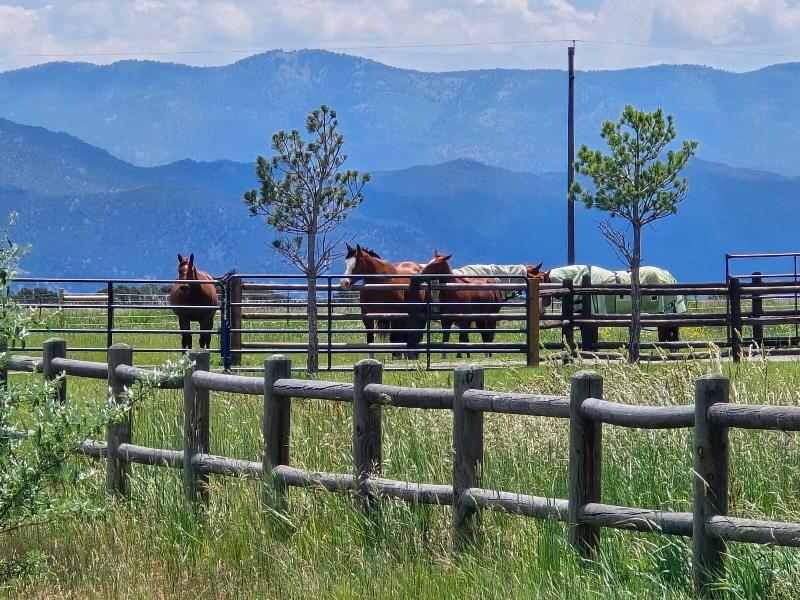 A person leading a calm horse in a sunny pasture, demonstrating the basics of horse training for dummies.
Desensitizing Your Horse
Remember that “flight” instinct? Desensitizing is the process of teaching your horse that scary things aren’t actually threats. This can involve plastic bags, tarps, umbrellas, or anything else that might make a sudden noise or movement. The technique is called “advance and retreat.” You introduce the scary object from a distance until the horse shows a little anxiety, then you take it away as a reward when they stand still and relax. You slowly get closer until they understand the object won’t harm them.
According to Dr. Eleanor Vance, an equine behaviorist, “Desensitization is about building confidence. You are replacing a horse’s innate fear of the unknown with a learned trust in their handler. Each time they face a ‘scary’ object and realize they are safe, that trust deepens.”
Your First Lessons: Basic Horse Training Commands
Once you have a foundation of respect and trust from groundwork, you can start teaching more specific commands. The key principle for all of these is “pressure and release.” You apply a small amount of pressure (with a hand, a lead rope, etc.) and the instant the horse gives the correct response, you release the pressure. The release is their reward; it’s how they learn they did the right thing.
Teaching ‘Whoa’ (Stop)
The ‘whoa’ command is the most important for safety. Start while leading. As you walk, say “Whoa” in a firm, low voice and simultaneously pull back gently on the lead rope. The moment your horse stops walking, release all pressure on the rope and praise them. Repeat this until they stop with just the voice command.
Teaching to Yield to Pressure
This is fundamental to steering and control later on. Standing at your horse’s side, use your fingertips to apply steady, gentle pressure to their flank. They will likely move away from the pressure. The second they shift their hindquarters away, remove your hand and praise them. This teaches them to move away from pressure, which is how you will eventually use your legs to guide them while riding.
Backing Up
Facing your horse, apply gentle, backward pressure on the lead rope while saying “Back.” You can also gently press on their chest. The moment they take even one step backward, release all pressure. Over time, you can ask for more steps, eventually getting them to back up smoothly with a very light cue.
Tools of the Trade: Essential Gear for Beginners
You don’t need a barn full of expensive equipment to start. The basics will get you a long way.
- Rope Halter: These are preferred by many trainers for groundwork because they provide clearer signals than flat web halters.
- Lead Rope: A 12- to 14-foot lead rope is ideal. It’s long enough for safety and for various groundwork exercises.
- Lunge Line: A longer rope (about 25-30 feet) used for lunging exercises.
- A Safe, Enclosed Area: A round pen or a small, well-fenced arena is crucial. It creates a controlled environment where the horse can focus on you without distractions.
Common Mistakes to Avoid in Horse Training
Even with the best intentions, beginners can make mistakes. Being aware of them is the first step to avoiding them.
- Losing Patience: Horses can feel your frustration. If you get angry, you become a predator in their eyes. It’s better to end a session on a good note than to push through with frustration.
- Inconsistent Cues: Using different words or signals for the same command will confuse your horse. Be clear and consistent.
- Long Sessions: A horse’s attention span, especially when learning something new, is short. Keep your sessions brief (15-20 minutes) and focused on one or two goals.
- Forgetting to Praise: Always reward the slightest try. Your praise—a scratch on the neck, a kind word, or simply releasing pressure—is how your horse knows they’ve done well.
FAQs for Aspiring Horse Trainers
What is the best age to start training a horse?
You can start gentle handling and groundwork (like leading and grooming) when a horse is a foal. More formal training like lunging usually starts around age two, with saddle training and riding beginning closer to three or four, depending on the horse’s physical maturity.
How long should a training session be?
For a young horse or a new skill, keep sessions short—15 to 20 minutes is plenty. It’s more effective to have several short, successful sessions than one long, frustrating one.
What is positive reinforcement in horse training?
Positive reinforcement is rewarding desired behaviors. While the “release of pressure” is a primary reward, you can also use scratches on a favorite spot or, for some horses, a small, healthy treat to mark a correct response.
Can I train a horse myself?
While this guide provides a starting point, it is highly recommended that beginners seek hands-on lessons from an experienced, reputable trainer. They can provide real-time feedback and ensure you and your horse are safe.
How do I know if my horse trusts me?
A horse that trusts you will be relaxed in your presence. They might sigh, lower their head, or even rest a back leg. They will follow your lead willingly and look to you for guidance in new situations. It’s a quiet connection that you can feel.
Your Journey Begins Now
This horse training for dummies guide is just the beginning of one of the most rewarding journeys you can take. The key is to see training not as a set of tasks to be completed, but as a conversation to be had. It requires immense patience, empathy, and consistency. Some days will be two steps forward, and some will be one step back. But the moment your horse willingly chooses to be with you and work with you is a feeling unlike any other. Cherish the process, celebrate the small victories, and never stop learning from the incredible animal in front of you.
