
Dressage, a discipline renowned for showcasing the profound connection and advanced training between horse and rider, stands as a pinnacle of equestrian artistry. It is one of the few equestrian sports to be featured in the Olympic Games, highlighting its significance and complexity. For those aspiring to enter the world of dressage, understanding the sport’s specific rules and the necessary equipment is paramount. This guide provides an overview of what you need to know to begin your dressage journey.
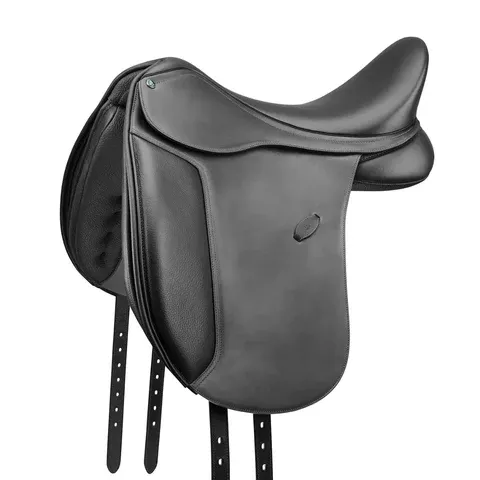 Arena Dressage Saddle with HART
Dressage riding demands a specific set of equipment, with rules dictating what is permissible and what is not. Some of these tack requirements differ from other English riding disciplines.
Essential Dressage Tack and Equipment
For competitive dressage, certain tack items are considered mandatory. These include:
- Dressage Saddle: Designed with a deeper seat and longer, straighter flaps to accommodate the rider’s longer leg position.
- Dressage Bridle: Typically features a plain, well-padded crownpiece and often a flash noseband or caveson.
- Snaffle Bit: The most common bit used in dressage.
- Dressage Whip: A whip under 47.2 inches may be carried, though prohibited in championship classes.
- Riding Boots: Tall boots are standard.
- Riding Breeches: Typically white or light-colored.
- Riding Gloves: Often worn for grip and a neat appearance.
- Helmet or Riding Cap: Safety is paramount.
Additionally, dressage riders may opt for a white or black saddle pad. Some competitions permit other colors or trims. Preparing your horse’s mane for braiding is also part of the preparation.
Key Rules in Dressage Competition
Dressage competitions adhere to a strict set of rules governing both rider and horse conduct. These rules can vary based on the competition level and specific event, but several core regulations are consistently applied:
- Voice Restriction: Riders are prohibited from using their voice during the test.
- Prohibited Tack: Items such as bandages, boots (other than riding boots), martingales, blinders, twisted wire bits, running reins, draw reins, and side reins are not allowed.
- Arena Entry: Riders must enter the competition arena within 45 seconds of being called.
- Whip Regulations: While a whip under 47.2 inches is generally permitted, it is not allowed in championship classes.
It is always advisable to consult the specific rules for your intended event, as additional requirements may apply.
The Role of Tack Color in Dressage
Brown tack is entirely acceptable in dressage. Historically, brown was the traditional color for dressage. Today, brown, black, and navy are all considered suitable, provided they are dark and conservative. While black leather is most common, dark brown is currently considered fashionable. Consistency is key: if you choose a brown saddle, ensure your bridle, caveson, and noseband are also brown.
Recommended Dressage Equipment
Here are some product examples that can enhance your dressage experience:
English and Dressage Saddles
Arena Dressage Saddle with HART: This stylish black leather saddle offers a deep seat, adjustable knee blocks, and a high-wither design, complemented by performance panel technology to reduce pressure on the horse.
[Black Country Kur Dressage Saddle: A premium option, this saddle provides customizable fit with flexible support, a wide range of tree and panel choices, and a lower cantle for a flatter seat, allowing greater rider freedom. Crafted from English leather with pure wool flocking.
[Wintec Kids Saddle: An ideal introductory dressage saddle for young riders, this black saddle provides a comfortable, supportive seat with movable foam panels for stability. It’s also durable and easy to care for.
[
Bridles
Red Barn by KL Select Stride Dressage Bridle: Made from high-quality materials, this bridle features an elegant design with a crystal browband, patent noseband, and an ergonomic uni-crown headstall to minimize poll pressure.
[Black Oak by KL Select Magnolia Dressage Bridle: A well-designed and durable mid-range option, this bridle includes a curved crystal browband, a raised noseband, and a padded uni-crown headstall. It comes with dressage reins.
[Black Oak Palm Ergonomic Dressage Bridle: This classic dressage bridle is designed to alleviate pressure on sensitive areas of the horse, including the poll, mouth, and ears. Its ergonomic noseband and padded crownpiece ensure comfort and proper fit.
[
If you already own a bridle, it may be possible to adapt it for dressage use by adding a flash noseband and a caveson. Browsing for suitable dressage reins is also an option if needed.
Snaffle Bits
A variety of snaffle bits are suitable for dressage, chosen based on the horse’s needs and rider preference.
Saddle Pads
Dressage saddle pads are typically rectangular and designed to fit under a dressage saddle, often featuring white or conservative colors.
Braiding Equipment
For competitions where presentation is key, braiding equipment is necessary to create a neat and uniform mane for the horse. This may include combs, needles, thread, and braiding wax.
Elevate Your Dressage Performance
Dressage is a testament to horsemanship, reflecting the harmony and skill shared between horse and rider. Mastering the athleticism, obedience, and suppleness required takes dedication and time. Equipping yourself with the right gear can significantly support your progress and enhance your enjoyment of training.
References:
- Fact checked by Caitlin Kincaid, USDF Silver and Bronze medalist.
