
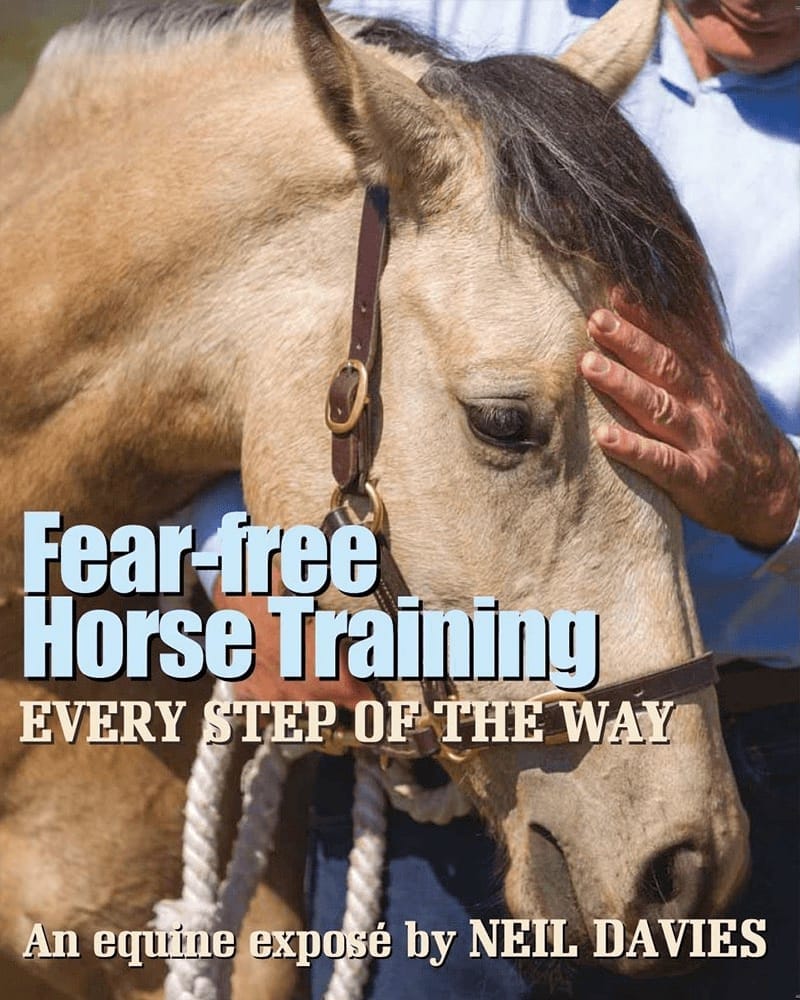
Welcome to Equine Excellence, where we forge the future of horsemanship. If you’re serious about elevating your partnership with your horse, you’ve likely heard about the transformative power of clinics. But what exactly are Horse Training Clinics, and how can they rocket your skills to the next level? Think of them as intensive, focused masterclasses for you and your equine partner. Led by seasoned experts, these events are designed to immerse you in specific disciplines or training philosophies, offering a depth of knowledge that’s hard to achieve in regular lessons. Whether you’re a novice rider or a seasoned competitor, the right clinic can unlock new levels of communication, confidence, and performance.
This isn’t just about learning a new exercise; it’s about a fundamental shift in your understanding. It’s an opportunity to step away from your daily routine and dedicate uninterrupted time to your passion. Clinics provide a unique environment where you can learn from top-tier professionals, receive personalized feedback, and connect with a community of like-minded equestrians. Many riders consider attending a clinic with a renowned trainer a bucket-list achievement, and for good reason. The focused environment, expert guidance, and concentrated learning experience can pay dividends long after you’ve packed up the trailer. For a deeper look into the dedication required, consider that the journey to becoming a professional is a long one, a path explored in articles like “how long does it take to become a horse trainer“.
What Sets a Clinic Apart from a Lesson?
While regular lessons are the bedrock of consistent progress, horse training clinics offer a different, more concentrated form of education. A standard lesson is typically a one-on-one or small group session with your regular instructor. A clinic, however, is a special event, often spanning two to three days, led by a visiting expert or clinician renowned in a specific field. This expert brings a fresh perspective and a depth of experience from working with hundreds, if not thousands, of horse-and-rider pairs.
As the acclaimed trainer Julie Goodnight puts it, “Not only will a horsemanship clinic connect you to a higher level of training or expertise, it is an opportunity to get an objective evaluation– of your riding, of your horse’s training, your tack, your goals– from a professional who has a broad perspective.”
This objective evaluation is priceless. A clinician isn’t familiar with your habits or your horse’s quirks, allowing them to spot issues or unlock potential that might have been overlooked. The format can vary widely, from discipline-specific sessions in dressage, jumping, or reining to broader topics like groundwork, liberty, or building rider confidence. Some are structured as a series of private lessons taught before an audience, while others involve group sessions where participants learn from each other’s experiences.
The Myriad Benefits of Attending a Clinic
The value of participating in horse training clinics extends far beyond simply learning new riding techniques. It’s a holistic experience that benefits both horse and rider on multiple levels, fostering growth that resonates back at your home barn.
For the Rider:
- Accelerated Learning: Clinics are an immersion experience. Concentrated sessions over several days allow you to absorb and practice concepts in a way that weekly lessons can’t replicate.
- Fresh Perspectives: Hearing a different explanation or seeing a new approach can create a “lightbulb moment,” clarifying a concept you’ve struggled with. Top clinicians have a vast toolbox of techniques and communication styles.
- Building Confidence: Successfully navigating a new environment with unfamiliar horses and people builds incredible self-assurance. You learn to handle the pressure of riding in front of spectators, a skill that’s invaluable for competitors.
- Networking: You’ll connect with fellow riders who share your passion and dedication. These connections can lead to lasting friendships and a stronger support system in the sport.
- Personalized Feedback: You get direct access to top professionals in your discipline, receiving individualized guidance tailored to your specific challenges and goals.
For the Horse:
- Increased Confidence and Adaptability: Exposing your horse to new venues, sounds, and other horses is a fantastic way to build their confidence. It simulates the atmosphere of a horse show, making them more resilient and less spooky in unfamiliar situations.
- Advanced Training: A clinic can significantly advance a green or young horse’s education. The structured environment, guided by an expert, provides a safe and effective way to introduce new challenges and concepts.
- Problem-Solving: The fresh eyes of an experienced clinician can often diagnose the root cause of a training issue, providing innovative solutions to roadblocks you’ve been facing.
- Strengthened Partnership: Working through challenges together in a new environment forges a deeper bond between you and your horse. It’s a shared experience that builds mutual trust and respect.
The intensive format is similar to how master trainers like dale rudin horse training develop their programs, focusing on foundational principles to achieve advanced results.
How to Choose the Right Horse Training Clinic
With so many options available, selecting the perfect clinic can feel overwhelming. The key is to align the clinic with your specific goals, your horse’s needs, and your learning style.
Define Your Goals
First, ask yourself what you hope to achieve. Are you looking to improve your dressage scores, gain confidence over fences, solve a specific behavioral issue, or explore a new discipline like working equitation? Having a clear purpose will narrow your search significantly. Are you aiming to build a better relationship with your horse or prepare for competition? Your goal will dictate the type of clinician and format that will be most beneficial.
Research the Clinician
The instructor is the heart of the clinic. Don’t just look at their competition record; research their teaching philosophy. Do they specialize in your discipline? What is their reputation? Watch videos of them teaching if possible. Look for testimonials from past participants. You want to find a clinician whose personality and teaching style resonate with you. Someone who is supportive and methodical may be perfect for a timid rider, while a more direct, high-energy instructor might be ideal for a seasoned competitor. The work of a respected horseman like john chatterton horse trainer is a great example of a specific, trusted methodology you might seek out.
Consider the Format and Level
Clinics come in all shapes and sizes.
- Private Sessions: Offer one-on-one attention but can be intense, as you’re in the spotlight.
- Small Groups: Provide a good balance of individual feedback and the opportunity to learn from others.
- Large Groups: Can be excellent for building a horse’s focus and a rider’s ability to manage their own space, but individual attention may be limited.
Be honest about your and your horse’s experience level. Placing yourself in a group that is too advanced can be disheartening and unsafe, while a group that’s too basic won’t challenge you. Most organizers are happy to help you determine the appropriate level.
Logistics and Budget
Clinics are an investment in time and money. Factor in the clinic fee, travel, stabling for your horse, and your own accommodations. It may be tempting to choose the cheapest option, but the quality of instruction and facility are paramount. Sometimes, traveling further for a world-class clinician is a better investment than attending a local event that doesn’t align with your goals.
Preparing for a Successful Clinic Experience
Once you’ve signed up, preparation is key to maximizing your investment. A successful clinic experience begins long before you load the horse onto the trailer.
Prepare Your Horse
Your horse should be physically fit enough for the demands of the clinic. You may be riding for longer periods than usual over consecutive days. Gradually increase your horse’s workload in the weeks leading up to the event to build stamina and prevent soreness. Ensure their tack is clean and fits properly, and that their vaccinations and health papers are up to date, especially if you’re traveling across state lines.
Famed equine behaviorist Dr. Alistair Finch notes, “Horses thrive on predictability. Arriving at a clinic can be a sensory overload. By ensuring your horse is physically prepared and comfortable with travel, you free up their mental capacity to focus on the learning, rather than the stress of the new environment.”
Prepare Yourself
Mentally, approach the clinic with an open mind. Be prepared to step out of your comfort zone and try new things. The clinician might ask you to ride in a way that feels strange or counterintuitive at first. Trust the process. Physically, make sure you’re also riding fit. Pack for all weather conditions, bring a notebook and pen to jot down key takeaways, and don’t forget snacks and water for yourself. For those curious about the professional side, the insights gained are invaluable, much like understanding the path of a figure such as brian bell horse trainer.
Auditing: A Powerful Learning Tool
If riding in a clinic isn’t feasible, don’t underestimate the power of auditing. Attending as a spectator allows you to absorb a massive amount of information without the pressure of performing. You can observe how the clinician works with various horses and riders, noticing patterns and techniques you can apply at home. It’s an affordable and highly effective way to access expert knowledge and determine if a particular clinician is the right fit for you in the future.
What to Expect During the Clinic
Arriving at a clinic can be a whirlwind of activity. Expect your horse to be more energetic or nervous than usual—this is normal. The clinician’s job is to help the horses settle and teach the riders how to manage the environment. The first session often focuses on fundamentals and assessing the needs of each horse-and-rider pair.
Be an active participant. Ask questions, but also be a good listener. Pay attention not just when the clinician is speaking to you, but also to the feedback they give others. Often, another rider’s breakthrough can provide a solution to one of your own challenges. Remember that “bad” behavior from your horse is usually just a form of communication. They might be confused, nervous, or physically uncomfortable. A good clinic provides the tools to understand what your horse is trying to tell you and respond productively. This deeper communication is at the core of what masters like those in lee hart horse training advocate for.
After the Clinic: Integrating Your New Knowledge
The learning doesn’t stop when the clinic ends. In fact, the most important work begins when you get home. It’s easy to feel inspired during the event, but the real challenge is integrating the new techniques into your daily riding routine.
Review your notes while they’re still fresh. Focus on implementing one or two key exercises or concepts rather than trying to change everything at once. It takes time for new habits to form for both you and your horse. Be patient with yourself and the process. Share what you’ve learned with your regular instructor; they can help you incorporate the new information into your ongoing training program, ensuring the benefits of the clinic last for months and years to come. Attending horse training clinics is an investment in your partnership, a commitment to excellence that defines the truly dedicated equestrian.
Frequently Asked Questions (FAQ)
1. What is the main difference between a horse training clinic and a regular lesson?
A clinic is an intensive, multi-day event led by a visiting expert, offering a deep dive into specific skills or disciplines. A lesson is typically a shorter, more frequent session with your regular instructor focused on steady, incremental progress.
2. How do I know if my horse and I are ready for a clinic?
If you have a basic level of control (walk, trot, canter, steer, stop) and are comfortable riding in a group, you are likely ready for a beginner or novice-level clinic. Always check the prerequisites with the event organizer to ensure it’s a good fit.
3. Is it worth the money to audit a clinic?
Absolutely. Auditing is a cost-effective way to learn from top professionals. You can absorb vast amounts of information by watching the clinician handle different challenges with various horse-and-rider combinations, all without the pressure of riding yourself.
4. What should I do if my horse misbehaves at a clinic?
Stay calm. It’s very common for horses to be excited or nervous in a new environment. A good clinician is experienced in handling these situations and will see it as a “teachable moment” to help you and your horse work through the issue.
5. How can I find horse training clinics in my area?
You can find clinics through discipline-specific associations (like the USDF or USHJA), equestrian publications, social media groups, and by following your favorite trainers, who often post their travel schedules on their websites. Your local tack store or barn is also a great resource.
