
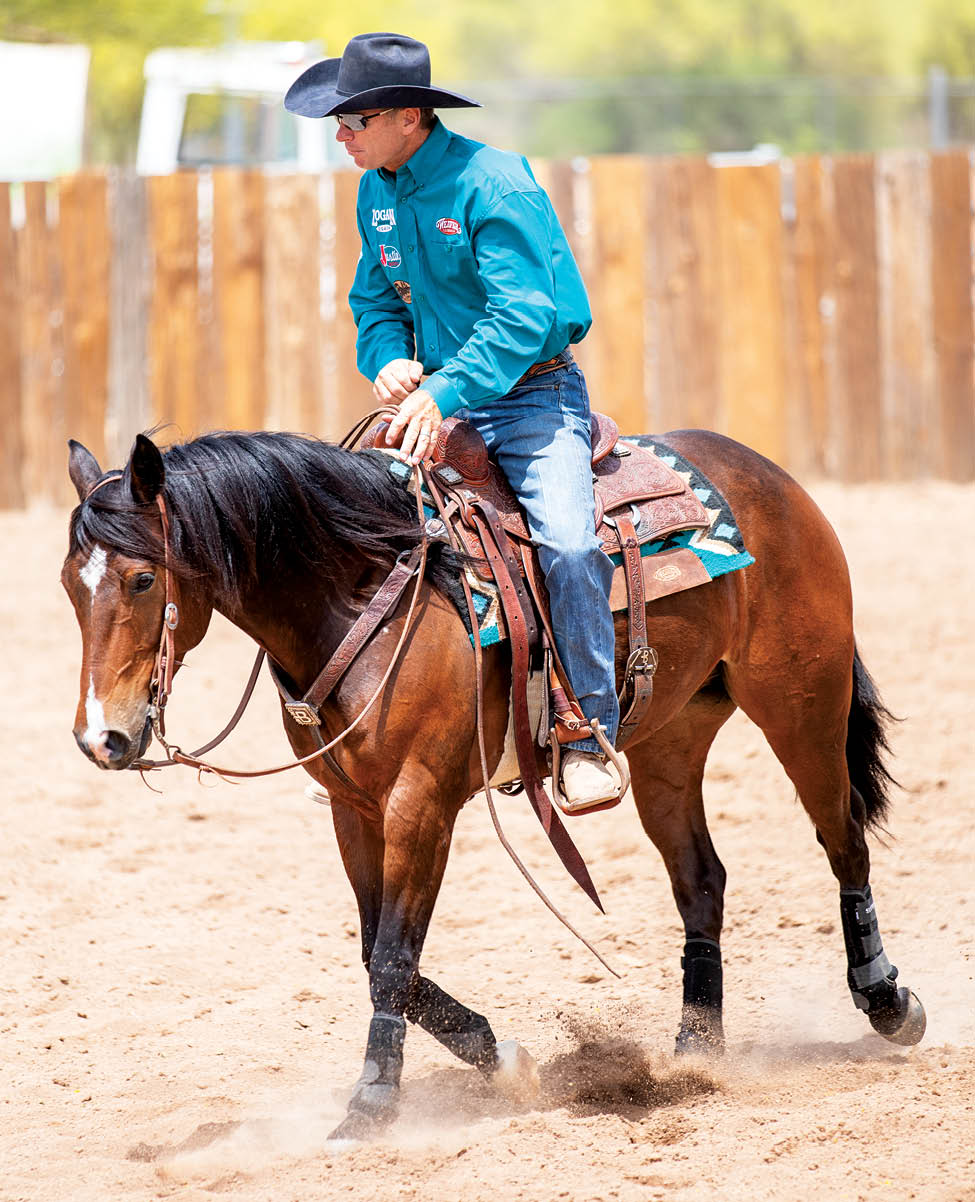
A horse trainer is a specialized professional dedicated to the training, conditioning, and overall development of horses for a variety of purposes, including riding, competitive events, and performance. These individuals possess a deep understanding of equine behavior, anatomy, and effective training methodologies, allowing them to work adeptly with horses to achieve specific goals. Horse trainers often work with a diverse range of breeds, ages, and disciplines, meticulously adapting their training strategies to meet the unique needs and aspirations of each horse and its owner.
Beyond hands-on training sessions, horse trainers frequently provide crucial guidance and instruction to horse owners and riders. This mentorship helps them hone their skills and cultivate a strong, effective communication and partnership with their equine companions. Depending on their specific area of expertise, horse trainers may concentrate on disciplines such as dressage, show jumping, western riding, racing, or natural horsemanship. They may operate independently or as part of a larger training facility or equestrian team.
What Does a Horse Trainer Do?
Horse trainers are instrumental in nurturing a horse’s development and maximizing their potential across various equestrian disciplines. Their expertise lies in unlocking the best in each individual horse, fostering their innate abilities. By applying a thorough understanding of equine behavior and employing proven training techniques, trainers can shape a horse’s skills, ensuring they exhibit good conduct, responsiveness, and optimal performance.
Duties and Responsibilities
The specific duties of a horse trainer can differ based on the discipline and the individual needs of the horses under their care. However, several core responsibilities are common to the role:
- Training Plan Development: Horse trainers are tasked with creating and implementing customized training plans for each horse. They evaluate the horse’s temperament, physical condition, and current skill level to devise a structured program focused on obedience, performance enhancement, and skill acquisition.
- Basic Obedience Training: A foundational aspect of a trainer’s work involves teaching horses essential commands and behaviors, such as leading, halting, standing patiently, and responding to cues. This process builds a critical foundation of trust and respect between the horse and trainer, ensuring clear communication and compliance.
- Ground Work and Lunging: Trainers engage horses in ground exercises, teaching them to respond to cues while the trainer is on foot. This includes activities like lunging, longeing, and desensitization exercises to improve the horse’s balance, suppleness, and responsiveness.
- Riding Training: Trainers are responsible for riding horses and refining their performance while under saddle. They focus on developing the horse’s balance, collection, and sensitivity to the rider’s cues. This may involve training in various gaits, lead changes, transitions, and specific movements relevant to the discipline.
- Behavioral Evaluation and Modification: Horse trainers assess a horse’s behavior to identify any problematic patterns or issues. They then address these behavioral challenges, such as resistance, fear, or aggression, using appropriate training techniques and modification strategies.
- Fitness and Conditioning: A crucial part of training involves developing fitness and conditioning programs to boost a horse’s physical capabilities and stamina. This entails planning and executing exercise routines, including riding, lunging, and other forms of physical training, to enhance the horse’s strength, endurance, and overall physical health.
- Monitoring Health and Well-being: Horse trainers maintain a vigilant watch over the horse’s health and overall well-being. They observe for any signs of discomfort, illness, or injury and liaise with veterinarians and other equine professionals to ensure all medical needs are met. They also oversee the horse’s nutrition, offering recommendations for proper feeding and care.
- Communication with Owners and Riders: Trainers frequently collaborate closely with horse owners and riders, offering expert guidance, feedback, and instruction. They communicate the horse’s training progress, provide advice on handling and riding techniques, and work in tandem with owners and riders to achieve specific performance goals.
- Continued Professional Development: To remain at the forefront of their field, horse trainers stay informed about the latest training methodologies, research, and industry trends. They actively participate in workshops, seminars, and clinics to continually enhance their skills and knowledge, ensuring they provide the highest caliber of training.
Types of Horse Trainers
The equestrian world features a variety of horse trainers, each specializing in different disciplines and areas of expertise. Here are some common types:
- Dressage Trainer: These trainers focus on the discipline of dressage, emphasizing the development of a horse’s obedience, suppleness, and precision in movement. They work on refining gaits, collection, and responsiveness to subtle rider cues, incorporating flatwork, lateral movements, and advanced dressage maneuvers into their training plans.
- General Horsemanship Trainer: General horsemanship trainers work with horses across multiple disciplines, concentrating on building a solid foundation of training and good behavior. They prioritize basic obedience, good ground manners, and overall responsiveness to rider cues, often assisting with starting young horses and establishing a robust groundwork for future specialization.
- Natural Horsemanship Trainer: This approach centers on building a partnership based on trust and mutual understanding with the horse. Natural horsemanship trainers utilize techniques that resonate with a horse’s natural instincts and communication methods. Their training emphasizes groundwork, desensitization, and a profound understanding of horse behavior to foster a harmonious equine-human connection.
- Racehorse Trainer: Specializing in training horses for competitive horse racing, these trainers focus on developing a horse’s speed, stamina, and racing prowess. Their training programs include galloping, interval training, and speed work, often collaborating closely with jockeys and exercise riders to prepare horses for races.
- Rehabilitation Horse Trainer: These professionals work with horses that are injured or have experienced mistreatment, aiding them in regaining both physical and mental well-being. Their training programs are designed to rebuild strength, address specific physical limitations, and provide a supportive environment to restore the horse’s confidence and trust.
- Show Jumping Trainer: Show jumping trainers specialize in preparing horses and riders for the sport of show jumping, which involves navigating a course of obstacles. Their focus is on developing the horse’s jumping technique, agility, and accuracy, utilizing exercises such as gridwork, gymnastic jumping, and course practice to hone jumping skills.
- Western Trainer: Western trainers focus on horses for Western riding disciplines like reining, cutting, and western pleasure. They teach horses specific maneuvers and patterns required in these disciplines, such as spins, sliding stops, and lead changes, while also refining responsiveness to leg cues and overall performance demeanor.
Are You Suited to Be a Horse Trainer?
Individuals drawn to horse training often exhibit an investigative personality, characterized by intellectual curiosity, introspection, and a methodical, analytical approach. Many also possess enterprising traits, displaying adventurousness, ambition, assertiveness, and optimism. Understanding these personality aspects can help determine if a career as a horse trainer aligns with your individual strengths and inclinations.
What is the Workplace of a Horse Trainer Like?
The typical workplace for a horse trainer is an equestrian facility, such as a training barn, ranch, or riding academy, which provides the necessary infrastructure and equipment for horse training. These facilities commonly include stables or barns for housing horses, alongside riding arenas, round pens, and outdoor paddocks for training sessions and exercise. Horse trainers may also utilize specialized equipment like horse trailers, grooming supplies, and various training aids.
In addition to working at dedicated equestrian facilities, horse trainers may also travel to horse shows, competitions, or clients’ properties to offer their training services. This can involve transporting horses to off-site locations for training, lessons, or clinics, as well as accompanying clients to events to provide coaching and support. Horse trainers often maintain flexible schedules to accommodate client needs and the training demands of the horses, with workdays that can vary due to factors such as weather, the horse’s health, and client availability.
Frequently Asked Questions
Animal-Related Careers and Degrees
Careers
Degrees
See Also
Alligator Farmer Animal-Assisted Therapist Animal Behaviorist Animal Breeder Animal Caretaker Animal Control Worker Animal Lawyer Animal Nutritionist Animal Scientist Animal Trainer Animal Trainer For Film And Television Aquacultural Manager Aquaculturist Aquarist Avian Veterinarian Beekeeper Bird Trainer Chicken Sexer Circus Animal Trainer Comparative Anatomist Conservation Biologist Conservation Scientist Crocodile Wrangler Dairy Farm Worker Dairy Scientist Dog Breeder Dog Groomer Dog Trainer Dog Walker Ecologist Emergency and Critical Care Veterinarian Entomologist Equine Veterinarian Ethologist Evolutionary Biologist Exotic Animal Veterinarian Falconer Farmer Farm Manager Farrier Fish and Game Warden Fishery Officer Guide Dog Trainer Herpetologist Hippotherapy Clinical Specialist Ichthyologist Jockey Kennel Technician Large Animal Veterinarian Livestock Farmer Mammalogist Marine Biologist Marine Mammal Trainer Oceanographer Ornithologist Pet Adoption Counselor Pet Detective Poultry Farmer Poultry Scientist Public Health Veterinarian Racehorse Trainer Rancher Small Animal Veterinarian Snake Milker Theriogenologist Vermiculturist Veterinarian Veterinary Acupuncturist Veterinary Anesthesiologist Veterinary Behaviorist Veterinary Cardiologist Veterinary Dentist Veterinary Dermatologist Veterinary Neurologist Veterinary Ophthalmologist Veterinary Oncologist Veterinary Pathologist Veterinary Surgeon Veterinary Technician Veterinary Technologist Veterinary Assistant Wildlife Biologist Wildlife Ecologist Wildlife Enforcement Officer Wildlife Photographer Wildlife Rehabilitator Wildlife Veterinarian Zoo Curator Zoo Educator Zoo Endocrinologist Zoologist Exterminator Dairy Farmer Marine Ecologist Marine Mammalogist Marine Fisheries Biologist Marine Conservationist Family Dairy Farmer Commercial Dairy Farmer Organic Dairy Farmer Artisanal Dairy Farmer Robotic Dairy Farmer Cognitive Ethologist Neuroethologist Applied Ethologist Comparative Ethologist Comparative Animal Psychologist Behavioral Ecologist Conservation Behaviorist
