
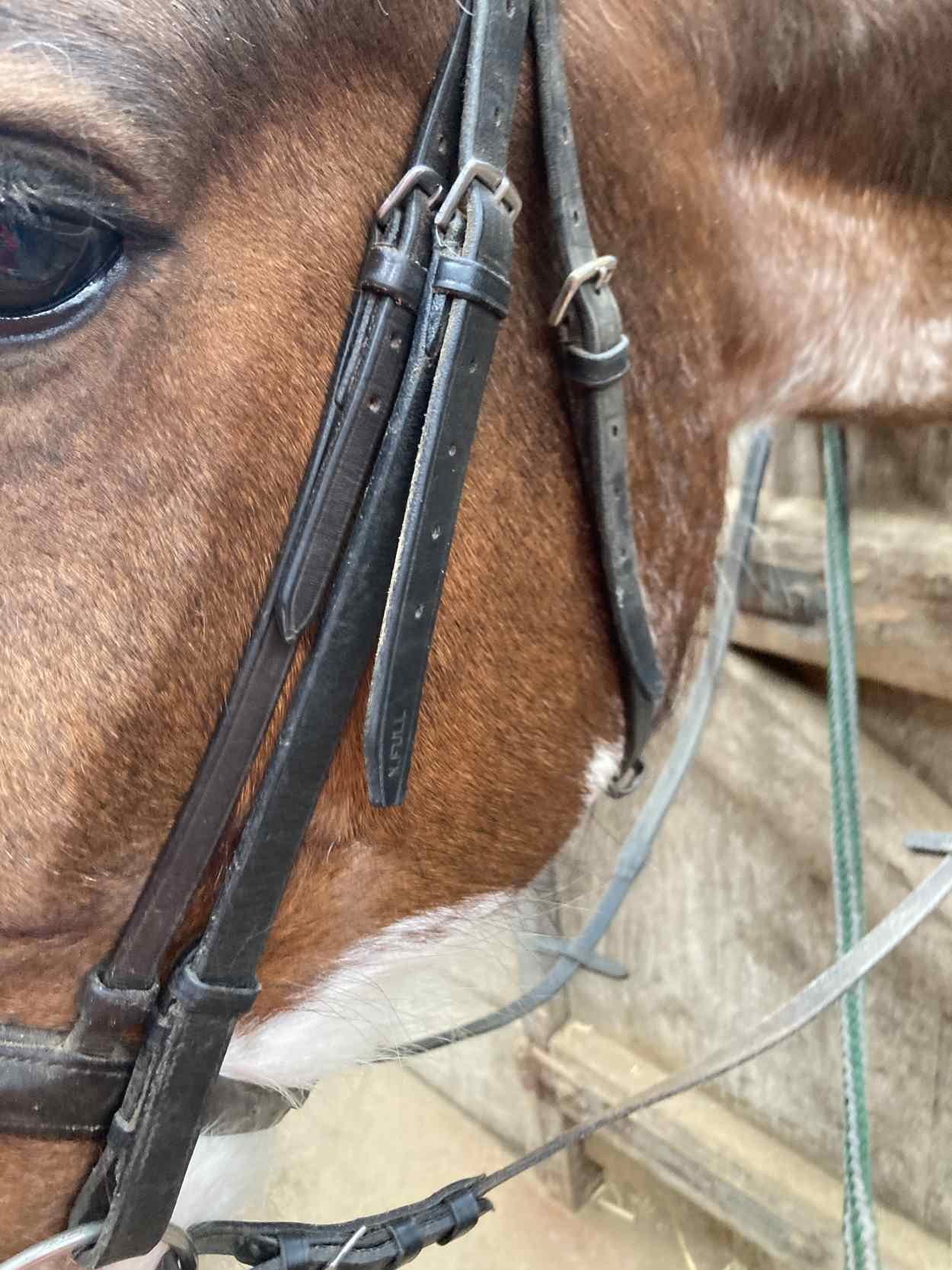
When embarking on the journey of horse training, the right equipment can make a significant difference. Among the most crucial pieces of gear is the bridle, which allows for communication and control between rider and horse. But with so many types available, understanding Horse Training Bridles can feel like a daunting task. This guide aims to demystify the world of bridles, helping you choose the best option for your training needs and your horse’s comfort.
The bridle is more than just a piece of tack; it’s a vital communication tool. It consists of several parts, including the headstall, browband, throatlatch, cheekpieces, and of course, the bit and reins. Each component plays a role in how effectively you can guide and influence your horse. For instance, the fit of the headstall ensures the bit sits correctly in the horse’s mouth, enabling clear signals.
The Importance of a Well-Fitted Bridle
Before diving into specific types, it’s essential to emphasize the importance of a proper fit. A bridle that is too tight can cause discomfort, pain, and resistance in the horse, hindering progress. Conversely, a bridle that is too loose might not provide adequate control, potentially leading to safety issues. Always ensure the bridle lies flat against the horse’s head without pinching or rubbing. The throatlatch should be loose enough to comfortably fit two fingers underneath, and the browband should not put pressure on the horse’s forelock or eyes.
Exploring Different Types of Horse Training Bridles
The world of horse training bridles is diverse, with each type offering unique benefits for specific training methods or disciplines.
Traditional English Bridles
The most common type of bridle used in English riding disciplines, the English bridle is versatile and effective for a wide range of training.
Snaffle Bridles
Snaffle bridles are arguably the most prevalent, featuring a single or double-jointed snaffle bit. This type of bit works on the bars of the horse’s mouth and is generally considered milder than a curb bit. Snaffle bridles are excellent for starting young horses, teaching basic aids, and for everyday riding and training. They provide direct rein pressure, allowing for clear communication.
Double Bridles (Weymouth Bridles)
A step up from the snaffle, the double bridle, also known as a Weymouth bridle, uses two bits: a bradoon (a type of snaffle) and a curb bit. This setup offers more sophisticated control and is typically used for more advanced training and higher levels of dressage. The curb bit acts on the curb groove, applying pressure to the chin and poll, allowing for finer adjustments and collection. Mastery of the double bridle requires a skilled rider, as miscommunication can easily lead to a confused or uncomfortable horse.
Western Bridles
Western bridles are designed with a different philosophy, often prioritizing a looser feel and relying more on the horse’s responsiveness to subtle cues.
Western Snaffle Bridles
Similar in principle to their English counterparts, Western snaffle bridles use a snaffle bit. However, they often feature a more robust design, with wider leather and a more straightforward headstall, sometimes without a browband (a split-ear design is common). These are great for initial training and for horses that respond well to less direct pressure.
Western Curb Bit Bridles
These bridles utilize a curb bit, which has shanks that leverage pressure on the chin and poll when the reins are pulled. Western curb bit bridles are used for more advanced training, reining, and other Western disciplines where precise control and responsiveness are paramount. The shanks come in various lengths, influencing the severity of the bit.
Specialized Training Bridles
Beyond the traditional categories, several specialized bridles are designed for specific training goals.
Rope Halters and Trick Training Halters
While not technically a bridle as they don’t include a bit, rope halters are invaluable tools for groundwork and natural horsemanship training. They apply pressure to specific points on the horse’s head, encouraging yielding and responsiveness without the use of metal. These are excellent for teaching basic commands, liberty work, and for building a strong foundation of trust.
Bitless Bridles
Bitless bridles offer an alternative for riders who prefer not to use a bit in their horse’s mouth. These bridles work by applying pressure to different parts of the horse’s head, such as the noseband or poll, to guide the horse. There are various types, including side-pulls, cross-unders, and Indian hackamores. Bitless training can be very effective, especially for horses that are sensitive to bits or have dental issues. It’s crucial to choose a well-designed bitless bridle and learn how to use it correctly to ensure clear communication.
Choosing the Right Bridle for Your Training Needs
The selection of a training bridle should be a thoughtful process, considering several factors:
Horse’s Age and Experience
For young or green horses, starting with a simple snaffle bridle (either English or Western, depending on your discipline) is usually recommended. This allows the horse to acclimate to the feel of a bridle and bit without overwhelming complexity. As the horse progresses and develops a better understanding of aids, you can gradually introduce more advanced options like a double bridle or a curb bit, always ensuring the horse is ready.
Training Goals and Discipline
Your intended discipline heavily influences the type of bridle you’ll need. Dressage riders will gravitate towards snaffle and double bridles, while Western riders will opt for Western snaffle or curb bit bridles. If your focus is on groundwork or natural horsemanship, a rope halter or a bitless bridle might be more suitable. For versatility, a good quality English snaffle bridle can serve many purposes.
Horse’s Temperament and Sensitivity
Some horses are naturally more sensitive or have specific needs. A horse that is uncomfortable with a bit might thrive in a bitless bridle. Similarly, a horse that overreacts to rein pressure might benefit from the gentler approach of a snaffle or the specific cues of a well-fitted rope halter. Observe your horse’s reactions closely; their comfort and willingness to work are the best indicators.
Rider Skill Level
As mentioned, advanced bridles like the double bridle require a skilled rider. If you are a beginner or intermediate rider, it’s best to stick with simpler snaffle bridles until your own aids become more refined. A well-fitted snaffle bridle, used with a light and consistent hand, can achieve a great deal in training.
The Role of the Bit within the Bridle
While the bridle provides the structure, the bit is the direct point of contact for rein aids. Understanding different bit types is crucial when selecting a bridle.
Snaffle Bits
- Straight Bar Snaffle: Offers direct pressure across the bars.
- Single-Jointed Snaffle: Has a single break in the middle, creating a “nutcracker” action that can pinch the tongue.
- Double-Jointed Snaffle (French Snaffle): Features a middle link that sits flat, reducing tongue pressure and distributing it more evenly. Often preferred for comfort.
Curb Bits
Curb bits have shanks and work on leverage. The longer the shank, the greater the leverage and potential severity. They apply pressure to the chin groove and poll.
Bitless Options
As discussed, bitless bridles eliminate the bit entirely, using alternative pressure points for communication.
Bridle Care and Maintenance
To ensure the longevity and effectiveness of your training bridle, proper care is essential. Leather bridles should be regularly cleaned and conditioned to prevent drying and cracking. This involves wiping away sweat and dirt after each use and applying a good quality leather conditioner periodically. Metal parts, like bits and buckles, should be kept clean and free of rust. Store bridles in a dry place, away from direct sunlight, to maintain their condition.
Conclusion: Building a Partnership Through Communication
Choosing the right horse training bridle is a foundational step in building a strong and harmonious partnership with your horse. It’s not about using the most complex or expensive equipment, but about selecting a tool that facilitates clear, kind, and effective communication. Whether you opt for a traditional snaffle, explore the nuances of a double bridle, or embrace the alternatives offered by bitless options, always prioritize your horse’s comfort and understanding. Remember that the bridle is an extension of your aids, and its true effectiveness lies in the skilled and empathetic hands that wield the reins. For those interested in advanced techniques, resources on gypsy horse training can offer insights into specialized communication methods that might involve different bitting or groundwork approaches. Similarly, understanding liberty horse training books can highlight how non-bridled communication forms the basis for advanced partnership.
