
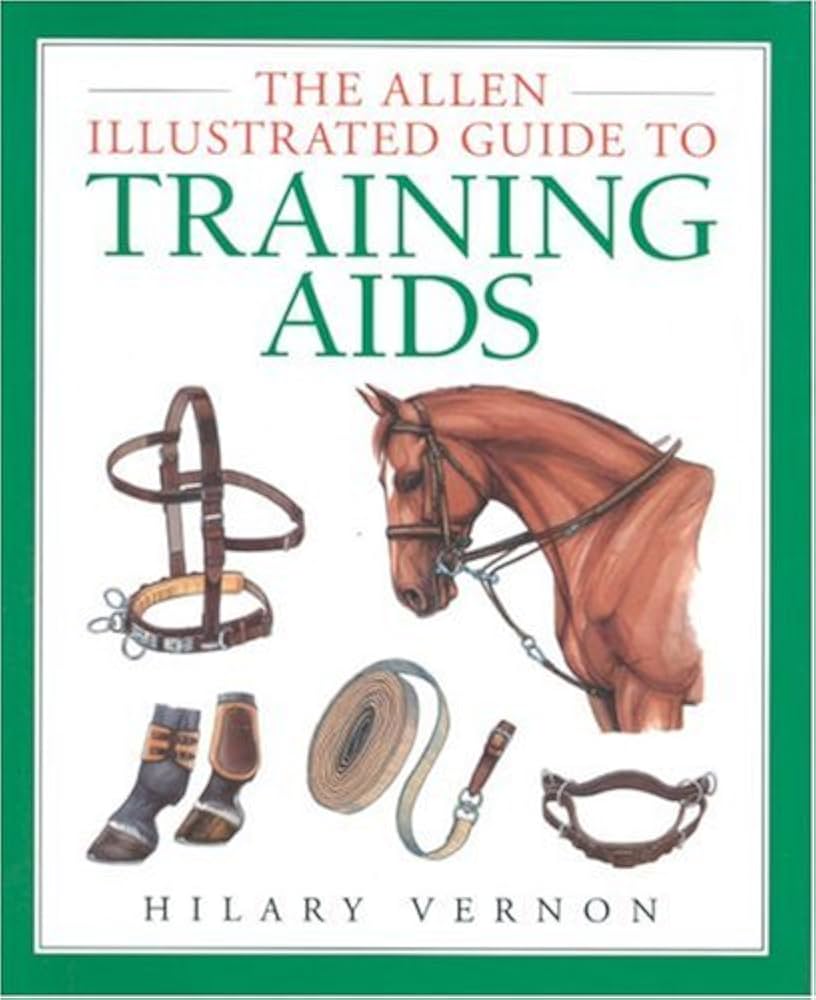
Welcome to the world of horsemanship, a journey where communication, trust, and understanding form the bedrock of the relationship between horse and rider. As you progress, you’ll inevitably hear about Horse Training Aids, a topic that can be as controversial as it is complex. These tools are often misunderstood, seen by some as shortcuts or gadgets, but when used correctly, they can be invaluable for refining communication and helping the horse understand the rider’s requests. This guide is designed to demystify these tools, exploring what they are, their intended purpose, and most importantly, how to approach them with an ethical and horse-first mindset.
The primary goal of any training aid should be to enhance communication and guide the horse towards better balance and self-carriage. To truly understand their role, it’s helpful to have a grasp of the fundamental principles of equine movement, as detailed in the study of the biomechanics and physical training of the horse. These are not devices to force a horse into a specific frame or position, but rather tools to provide feedback and encourage correct muscle development.
What Exactly Are Horse Training Aids?
At its core, a training aid is any piece of equipment, beyond the basic saddle and bridle, used to assist in the training of a horse. Their purpose is to influence the horse’s way of going, either from the ground or under saddle. The goal is to help the horse develop strength, balance, and straightness, making it easier and more comfortable for them to carry a rider.
Think of them as a conversation helper. A good aid can clarify a rider’s signals, help a young horse understand the concept of contact, or encourage a horse to engage its hindquarters and lift its back. They are temporary tools intended to educate the horse, with the ultimate aim of no longer needing them as the horse’s training and physique improve.
A Breakdown of Common Training Aids
The market is filled with a vast array of equipment, each designed for a specific purpose. It’s crucial to understand how each one works before ever considering putting it on a horse. They generally fall into two categories: those used for lunging and groundwork, and those used while riding.
Aids for Lunging and Groundwork
Lunging is an excellent way to assess a horse’s movement and build their fitness without the weight of a rider. Aids used on the lunge can help encourage the horse to work in a correct, rounded outline.
- Side Reins: These are perhaps the most common lunging aid. They attach from the saddle or surcingle to the bit rings. They should never be used to pull the horse’s head in but to provide a consistent, stable contact for the horse to work into, encouraging them to stretch forward and down. They can be solid leather or have an elastic insert for more give.
- Lungeing Systems: More complex systems like the Pessoa or Chambon use a series of ropes and pulleys. A Chambon encourages the horse to lower its head and stretch its neck, releasing pressure when it does so. A Pessoa system is more intricate, encouraging engagement from the hindquarters as well as influencing the horse’s head carriage. These require a deep understanding to be fitted and used correctly.
Aids for Riding
Ridden aids are intended to help a rider address specific issues while in the saddle. However, they are also the most frequently misused, often as a substitute for correct and patient riding.
- Martingales: A running martingale is designed to prevent the horse from raising its head so high that the rider loses contact with the bit. The reins pass through rings on the martingale straps, which only come into effect when the horse’s head goes above a certain point. A standing martingale attaches from the girth to the back of the noseband and is more restrictive.
- Draw Reins: This is one of the most controversial horse training aids. Draw reins provide the rider with a powerful mechanical advantage to pull the horse’s head in. While a highly skilled professional may use them for a specific, corrective purpose for a short period, they are easily abused in inexperienced hands and can create a false outline, block the horse’s movement, and cause physical and mental distress.
It’s clear that understanding the function of each piece of tack is crucial. For instance, knowing what is a rein used to train a horse called is fundamental before exploring more complex aids that modify its action.
The Golden Rule: Ethical and Educated Use
The most important aid in horse training is the rider themselves: a balanced seat, independent hands, and clear, consistent cues are more effective than any gadget. Training aids should only be considered to supplement good riding and training, not replace it.
Dr. Eleanor Vance, an equine sports therapist, puts it perfectly:
“A training aid in the right hands can be a tool of clarification for the horse. In the wrong hands, it becomes a tool of confinement. The difference lies in the user’s intention and education. Are you asking the horse to find a more comfortable balance, or are you forcing it into a shape? The horse always knows the difference.”
Before reaching for an aid, ask yourself a few questions:
- Why do I think I need this? What specific issue am I trying to solve?
- Do I fully understand how this piece of equipment works and how to fit it correctly?
- Could this issue be solved by improving my riding or seeking lessons?
This self-reflection is essential. Whether you are working with a local instructor or seeking a world-class professional like those offering horse training los angeles, professional guidance is invaluable.
Choosing the Right Aid for Your Horse
There is no “one-size-fits-all” solution. The right choice depends entirely on the specific horse’s needs, their current level of training and fitness, and the rider’s skill level.
Step 1: Assess Your Horse
Is your horse struggling with balance on the lunge line? Are they young and still learning about contact? Or are they a stronger, more advanced horse that needs help with collection? The problem you are trying to solve will dictate the tool you choose. A good way to monitor progress is by keeping a detailed log, much like a horse training chart, to note what works and what doesn’t.
Step 2: Assess Yourself
Be honest about your own abilities. If you do not have soft, independent hands, using a tool like draw reins will do far more harm than good. If you are a novice, it’s best to focus on your own position and stick to basic, less restrictive aids under the direct supervision of a qualified instructor.
Step 3: Seek Professional Advice
This cannot be overstated. A good trainer can assess both you and your horse and recommend whether an aid is appropriate. They can ensure it is fitted correctly and teach you how to use it effectively and for the appropriate duration.
Frequently Asked Questions (FAQ)
What is the most common horse training aid?
Aside from the rider’s natural aids (seat, legs, hands), side reins are arguably the most common artificial training aid used for lunging. For riding, a running martingale is frequently seen across many disciplines.
Can horse training aids hurt a horse?
Yes, absolutely. Any aid, if used incorrectly, can cause physical pain, muscle damage, and psychological distress. Over-tightening, using them for too long, or using them as a form of punishment can lead to both short-term and long-term problems.
How do I know if I’m using an aid correctly?
A correctly used aid results in a happier, more relaxed, and more balanced horse. The horse should be willing to work into a soft, steady contact, not be trapped or forced. The best indicator is to have an experienced professional watch you and provide feedback.
Are draw reins bad for horses?
Draw reins have a very high potential for misuse and are often considered “bad” for this reason. They can easily restrict the horse’s natural movement, create a false outline by breaking the neck at the third vertebra, and put immense pressure on the horse’s mouth and poll. They should only ever be handled by top-level professionals for very specific, short-term corrective work.
What is a simple aid to start with for groundwork?
A simple pair of side reins with an elastic insert, fitted loosely, is a good starting point for lunging under supervision. Another simple and highly effective “aid” is the use of ground poles, which encourage the horse to lift its feet, engage its core, and think about its movement without any restrictive equipment.
Conclusion: Tools, Not Crutches
In conclusion, horse training aids are best thought of as part of a wider conversation with your horse. They are not quick fixes or replacements for dedicated, correct training. When approached with knowledge, empathy, and a commitment to the horse’s welfare, they can be beneficial tools on the path to developing a strong, supple, and willing equine partner. The ultimate goal is always to refine the communication between horse and rider to the point where such tools become unnecessary, leaving you with a connection built on trust and understanding.
