
Ensuring your horse has constant access to fresh, clean water is one of the most fundamental aspects of equine care. As a leading horse trainer, I’ve seen firsthand how crucial proper hydration is for a horse’s overall health, performance, and well-being. The right watering system, often referred to as a horse waterer, plays a pivotal role in achieving this. This comprehensive guide will delve into everything you need to know about horse waterers, from their types and benefits to selection and maintenance, ensuring your equine companions stay perfectly hydrated year-round.
Why is Proper Hydration So Important for Horses?
Before we dive into the specifics of horse waterers, let’s quickly recap why water is the unsung hero of equine health. Horses are large animals with high water requirements. A typical horse can drink anywhere from 5 to 10 gallons of water per day, and this amount can significantly increase in hot weather, during strenuous exercise, or if the horse is on a dry feed diet.
Dehydration in horses can lead to a cascade of serious health issues, including:
- Colic: This is one of the most common and dangerous conditions. Dehydration can cause feed to dry out in the digestive tract, leading to impaction colic.
- Heatstroke: Horses are susceptible to overheating, and dehydration exacerbates this risk.
- Reduced Performance: Even mild dehydration can impact a horse’s stamina, energy levels, and overall athletic ability.
- Kidney Issues: Proper hydration is essential for kidney function and flushing toxins from the body.
- Thickened Blood: This can strain the cardiovascular system.
Understanding the critical role of water makes the importance of a reliable horse waterer system abundantly clear. To truly understand the daily needs of a horse, one must consider every aspect of their environment, from what does a horse trainer actually do to their dietary intake and, crucially, their water access.
Types of Horse Waterers
The market offers a variety of horse waterer systems, each with its own set of advantages and disadvantages. The best choice for your facility often depends on your budget, climate, number of horses, and available power sources.
1. Automatic Waterers
Automatic waterers are a popular choice for many horse owners due to their convenience and efficiency. These systems provide a continuous supply of fresh water, refilling the trough as the horse drinks.
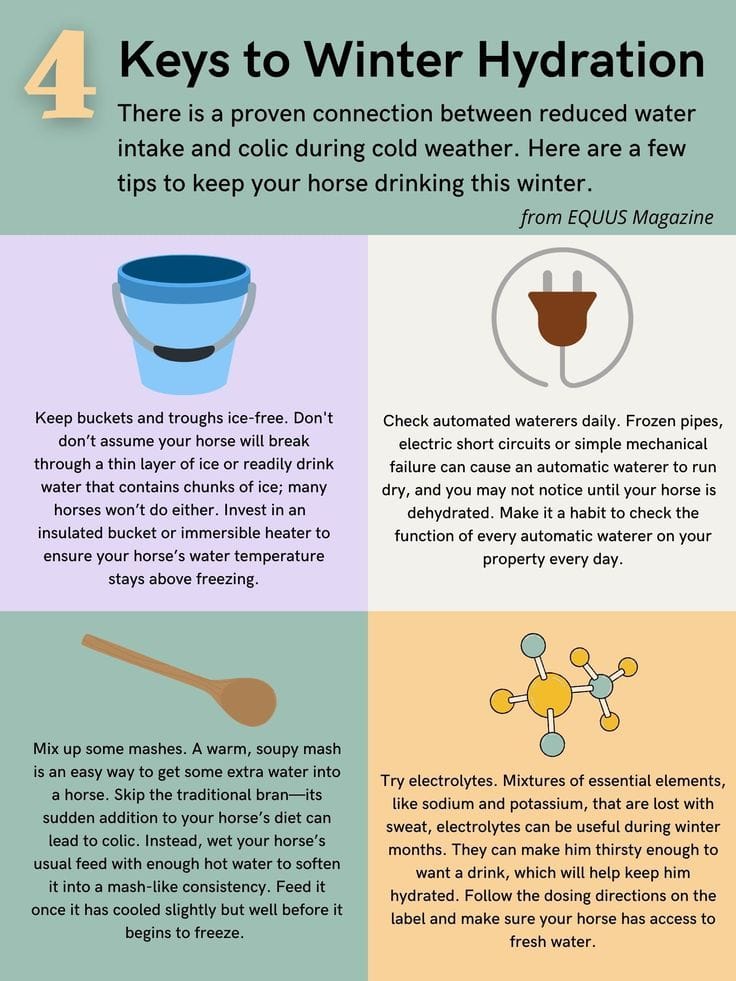
- Frost-Free Models: Essential for colder climates, these waterers are designed to prevent freezing. They often use buried pipes and insulated troughs to keep water accessible even in sub-zero temperatures. Some have heating elements that consume electricity.
- Ballast-Type Waterers: These typically feature a large trough with a floating ball that seals the water supply when the trough is full, preventing overfilling and reducing evaporation.
- Valve-Type Waterers: Similar to automatic pet water bowls, these use a float valve to maintain a constant water level. They are generally simple and reliable.
Pros:
- Constant supply of fresh water.
- Reduced labor for daily refilling.
- Frost-free options for cold climates.
- Can be more hygienic as they minimize stagnant water.
Cons:
- Higher initial cost.
- Require a reliable water supply and sometimes electricity.
- May require more complex installation and maintenance.
- Potential for mechanical failure.
2. Heated Waterers
Heated waterers are a specialized type of automatic waterer designed specifically for regions with harsh winters. They incorporate a heating element (usually electric) to keep the water from freezing.
- Submersible Heaters: These are placed directly in the water trough.
- Heated Troughs: The entire trough is insulated and heated.
Pros:
- Guarantees water access in freezing temperatures.
- Prevents the need for daily ice breaking.
Cons:
- Requires electricity, increasing operating costs.
- Potential electrical hazards if not installed and maintained correctly.
- Can be more expensive to purchase and maintain.
3. Stock Tanks and Troughs
These are the most traditional and widely recognized type of horse waterer. They can be made from various materials, including plastic, rubber, galvanized metal, or concrete.
- Plastic/Polyethylene Troughs: Lightweight, durable, and relatively inexpensive. They come in various sizes and shapes.
- Rubber Troughs: Extremely durable and flexible, making them resistant to cracking or breaking. They are a popular choice for their longevity.
- Galvanized Metal Troughs: A classic option, but can be prone to rust and sharp edges if damaged. They can also heat up quickly in the sun.
- Concrete Troughs: Very durable and can be custom-built, but are heavy and can be prone to cracking if not installed properly.
Pros:
- Lower initial cost.
- Simple to use and require minimal installation.
- Easy to clean and move (depending on size and material).
- No reliance on electricity or complex mechanisms.
Cons:
- Require daily manual refilling and cleaning.
- Water can become dirty quickly, especially with multiple horses.
- Prone to freezing in cold weather, requiring manual ice breaking.
- Water can become stagnant if not cleaned regularly.
Choosing the Right Horse Waterer
Selecting the ideal horse waterer involves considering several factors specific to your situation.
Climate Considerations
- Cold Climates: Frost-free or heated waterers are almost essential to ensure continuous water access during winter months. For traditional troughs, you’ll need a strategy for breaking ice daily.
- Hot Climates: Shade is crucial for all waterers to prevent water from becoming too hot and unpalatable. Consider larger capacity troughs or waterers that reduce evaporation.
Number of Horses
The more horses you have, the larger the waterer capacity and the more frequent the need for refilling (if using troughs). Automatic waterers become increasingly practical and labor-saving as herd size increases. A good rule of thumb is to have at least one 40-gallon trough per four horses, or one 100-gallon automatic waterer per 10-15 horses.
Material and Durability
Consider the temperament of your horses. Some horses may be prone to playing with or damaging waterers. Rubber and heavy-duty polyethylene are often the most durable options for troughs. Automatic waterers should be robustly constructed to withstand daily use and potential impact.
Budget and Operating Costs
Automatic and heated waterers have a higher upfront cost but can save significant labor and time in the long run. Troughs are cheaper to buy but incur ongoing costs in terms of labor for maintenance and, if using heaters, electricity.
Installation and Maintenance
Are you comfortable with basic plumbing and electrical work, or will you need professional installation? Automatic waterers generally require more involved installation than simple troughs. All waterers, however, need regular cleaning to maintain hygiene.
Installation Tips for Automatic Waterers
If you opt for an automatic horse waterer, proper installation is key to its longevity and efficient operation.
- Site Selection: Choose a level, well-drained area that is easily accessible for maintenance. Ensure it’s protected from damage by horses as much as possible.
- Water Supply: Connect to a reliable, pressurized water source. Use appropriate piping and ensure connections are secure and frost-proof if necessary.
- Power Supply (for heated models): If using an electric heater, ensure a GFCI-protected outlet is installed by a qualified electrician. All electrical components should be weather-proof and safe for livestock environments.
- Anchoring: Securely anchor the waterer to the ground to prevent tipping or movement by horses.
- Testing: After installation, thoroughly test the float valve or ball mechanism to ensure it functions correctly and the water level is appropriate.
Maintaining Your Horse Waterers
Regular maintenance is crucial for any type of horse waterer to ensure water quality and system functionality.
- Daily Cleaning: For troughs, empty, scrub, and rinse daily. For automatic waterers, remove any debris (hay, feed, manure) and check the water level.
- Weekly Deep Cleaning: Scrub automatic waterers thoroughly with a non-toxic cleaner and rinse well. Check floats, valves, and seals for wear or damage.
- Seasonal Checks:
- Winter: Ensure heated waterers are functioning correctly. For non-heated systems, have a plan for breaking ice. Check insulation and connections.
- Spring/Summer: Inspect for algae growth and clean thoroughly. Check for leaks or cracks that may have developed over winter.
- Inspect for Damage: Regularly check for cracks, sharp edges, or loose parts that could injure your horse.
Innovative Watering Solutions and Accessories
Beyond the basic types, several innovations can enhance your horse’s watering experience.
- Waterers with Multiple Compartments: Some automatic waterers offer separate compartments, allowing one to be cleaned while the other remains in use, or providing separate watering stations for groups of horses.
- Specialized Drinkers for Foals: Smaller, more accessible waterers can be beneficial for young foals.
- Water Meters: For those concerned about consumption, water meters can help track how much each horse is drinking.
- Water Additives: While not a substitute for clean water, some owners use water-safe electrolytes or flavorings during periods of high stress or illness, but always consult your veterinarian.
Just as understanding the nuances of training, like the techniques used in how do they train police horses, requires attention to detail, so does providing optimal hydration. The commitment to providing consistent, clean water is a non-negotiable part of responsible horse ownership.
Frequently Asked Questions (FAQ)
Q1: How often should I clean my horse’s water trough?
A1: Horse troughs should ideally be emptied, scrubbed, and refilled daily to prevent bacterial growth and algae. Automatic waterers require daily debris removal and a weekly deep clean.
Q2: What is the best type of waterer for a single horse?
A2: For a single horse, a durable rubber or plastic trough is often sufficient and cost-effective, provided it is cleaned daily. If convenience is a priority, a smaller automatic waterer can also be a good investment.
Q3: My horse isn’t drinking much water. What could be the cause?
A3: Factors include illness, stress, changes in diet, or water that is too hot, too cold, or unpalatable. Ensure the waterer is clean and the water is at a comfortable temperature. If the issue persists, consult your veterinarian.
Q4: Are heated waterers safe for horses?
A4: Yes, when installed and maintained correctly by a qualified professional, heated waterers are safe. Ensure all electrical components are designed for livestock environments and are GFCI protected.
Q5: Can I use a regular garden hose to fill my horse’s waterer?
A5: Yes, but ensure the hose is free of contaminants and stored properly. Avoid leaving hoses connected and lying in pastures where they could be damaged or become a tripping hazard.
Conclusion: The Cornerstone of Equine Health
The horse waterer is more than just a trough; it’s a critical piece of equipment that directly impacts your horse’s health, happiness, and performance. Whether you choose a simple trough or an advanced automatic system, consistent access to fresh, clean water is paramount. By understanding the options, considering your specific needs, and committing to regular maintenance, you can ensure your equine partners are always well-hydrated and thriving. Remember, a hydrated horse is a healthy and happy horse, ready to perform at its best, whether that’s in the competitive arena or enjoying a peaceful pasture. Prioritizing hydration is as fundamental as any training regimen you might undertake for your equine companions, reflecting a deep commitment to their well-being.
