
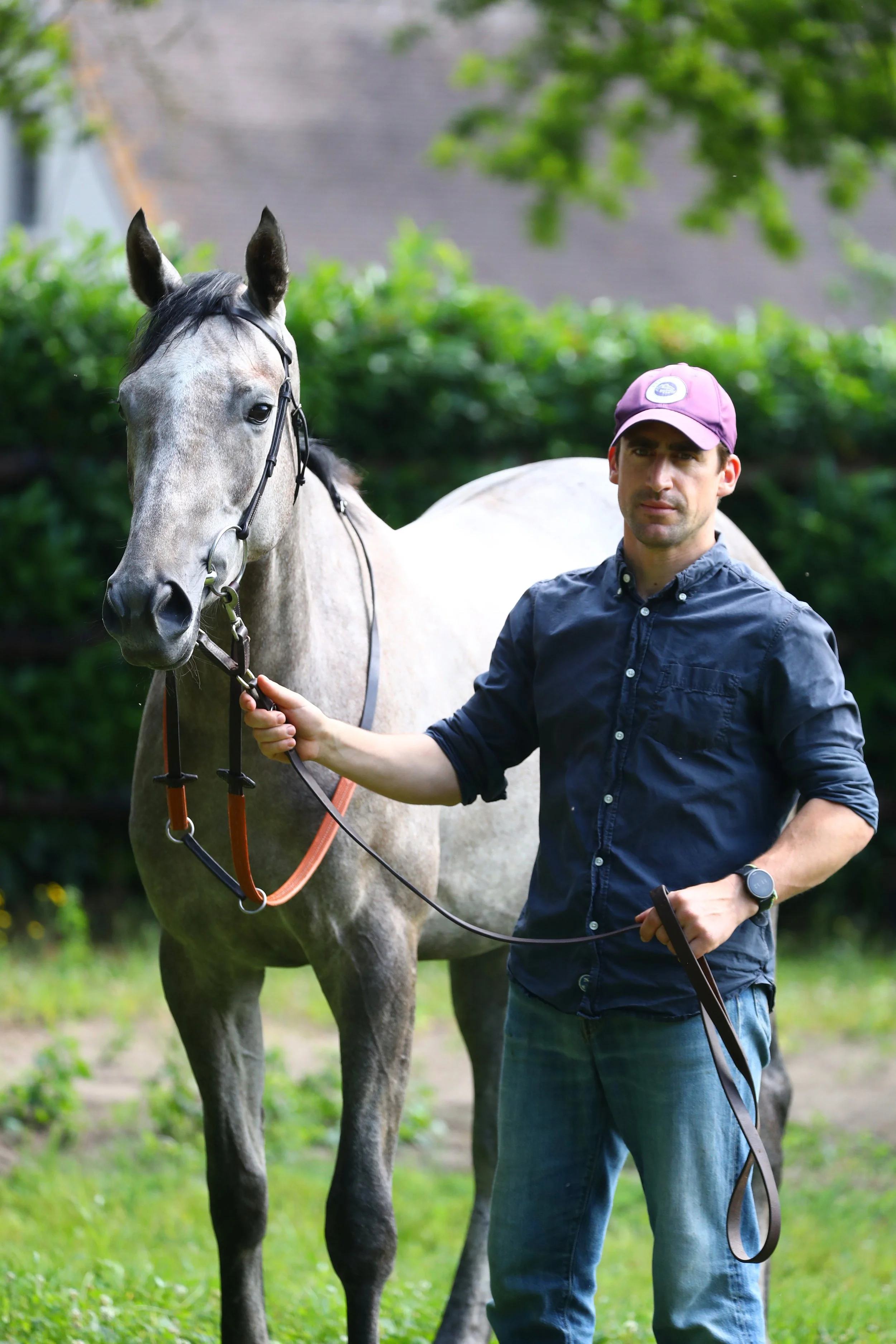
The allure of working with horses, from their majestic presence to the deep bond forged through training, captivates many. If you’re passionate about these magnificent creatures and possess a knack for understanding their behavior, a career as a horse trainer might be your calling. This field offers a unique blend of physical activity, deep connection, and the satisfaction of guiding a horse to its full potential. But what exactly does it entail to become a horse trainer, and what does the job market look like? Let’s delve into the exciting world of Horse Trainer Jobs and explore how you can embark on this fulfilling journey.
The Essence of a Horse Trainer: More Than Just Riding
At its core, a horse trainer is responsible for teaching horses specific behaviors, skills, and disciplines. This can range from basic obedience and groundwork to specialized training for various equestrian sports like racing, show jumping, dressage, or Western riding. It’s a profession that demands a comprehensive understanding of equine behavior, physiology, and psychology, coupled with exceptional riding skills and patience.
A great horse trainer doesn’t just break a horse; they build a partnership based on trust and clear communication. This involves:
- Understanding Equine Psychology: Recognizing a horse’s natural instincts, learning patterns, and emotional state is crucial for effective training.
- Developing Training Programs: Creating tailored plans that suit the individual horse’s breed, age, temperament, and the goals of the owner.
- Groundwork and In-Hand Training: Establishing a horse’s respect and responsiveness from the ground before or alongside ridden work.
- Ridden Instruction: Guiding the horse through exercises designed to improve balance, responsiveness, and specific skills.
- Problem Solving: Addressing behavioral issues that may arise during training with calm and consistent methods.
- Health and Nutrition Awareness: Understanding the basic health needs of horses and how diet impacts their energy and performance.
Exploring the Diverse Landscape of Horse Training Roles
The term “horse trainer” encompasses a broad spectrum of specializations, each with its own set of demands and rewards. Understanding these different avenues can help you pinpoint the niche that best aligns with your interests and skills.
Racing Trainers
These professionals focus on preparing horses for competitive racing. The work is intense, often involving early mornings, rigorous training schedules, and a deep understanding of equine conditioning, diet, and veterinary care to maximize a horse’s speed and stamina. Assistant trainer jobs in horse racing are a common entry point into this demanding field.
Show Horse Trainers
This category includes trainers for disciplines like:
- Dressage: Focusing on precision, obedience, and harmony between horse and rider, emphasizing elegant movements and responsiveness.
- Show Jumping: Training horses to clear obstacles accurately and efficiently, requiring athleticism, courage, and excellent rider-horse coordination.
- Western Pleasure and Reining: Emphasizing a smooth, calm ride and precise maneuvers in Western disciplines.
- Hunters: Preparing horses to exhibit a smooth, efficient, and attractive jumping style over fences.
All-Around and Foundation Trainers
Many trainers work with horses across a variety of disciplines or focus on foundational training for young horses. They build a solid base of obedience, respect, and basic ridden skills, making the horse suitable for further specialized training or a happy pleasure mount.
Rehabilitation and Therapy Trainers
Some trainers specialize in helping horses recover from injuries or overcome behavioral issues stemming from past trauma. This role requires a high degree of patience, sensitivity, and often collaboration with veterinarians and equine therapists.
The Road to Becoming a Horse Trainer: Education and Experience
While there’s no single mandatory path, a combination of education, hands-on experience, and continuous learning is key to a successful career in horse training.
Formal Education
Many aspiring trainers pursue degrees in equine science, animal behavior, or related fields. These programs provide a strong theoretical foundation in equine physiology, nutrition, and behavior. Certifications from reputable organizations can also enhance credibility and demonstrate a commitment to professional standards.
Gaining Practical Experience
- Working Student Positions: This is perhaps the most traditional and effective way to learn. Working for an experienced trainer in exchange for lessons and room and board provides invaluable hands-on experience with all aspects of horse care and training.
- Grooming and Stable Hand Roles: Starting in these positions allows you to learn the daily routines, basic care, and develop a feel for different horses.
- Apprenticeships: Many established trainers offer formal apprenticeship programs.
- Volunteering: Offering your time at rescues, riding schools, or equestrian centers can provide exposure and networking opportunities.
Essential Skills and Qualities
Beyond riding ability, a successful horse trainer needs:
- Patience and Perseverance: Horses learn at their own pace, and setbacks are inevitable.
- Strong Communication Skills: Both with horses (through body language and aids) and with clients (explaining training progress and methods).
- Physical Fitness and Stamina: The job is physically demanding.
- Observational Skills: The ability to notice subtle cues in a horse’s behavior.
- Problem-Solving Aptitude: Devising effective solutions for training challenges.
- Business Acumen: For those running their own training business, skills in marketing, finance, and client management are vital. To understand the financial aspects, researching horse trainer income can provide valuable insights.
The Job Market for Horse Trainers
The demand for skilled horse trainers is closely tied to the health of the equine industry. Factors influencing job availability include:
- Location: Areas with a strong equestrian culture and numerous riding facilities tend to have more opportunities.
- Discipline: Popular disciplines like racing or show jumping may offer more specialized roles.
- Economic Conditions: Discretionary spending on equestrian activities can impact the demand for training services.
While direct job postings for “horse trainer” might not always be abundant, opportunities often arise through networking. Understanding related roles, such as who is the horse trainer on tulsa king, can highlight the varied presence of trainers in popular culture and their diverse career paths. The horse racing industry, for example, constantly seeks capable individuals; exploring assistant trainer jobs horse racing can be a direct route in. Similarly, roles like horse training jobs salary information can be found through industry-specific job boards and associations. For those in regions with a rich history of equestrian sports, places like Suffolk Downs horse racing, even if no longer in operation for racing, represent the legacy and potential for such careers.
Building Your Career and Business
For many, the ultimate goal is to establish their own training business. This requires not only excellent training skills but also entrepreneurial drive.
- Start Small: Begin by training a few horses for local clients or offering specialized services.
- Build a Reputation: Word-of-mouth referrals are powerful in the equestrian community. Delivering consistent, positive results is paramount.
- Networking: Attend shows, clinics, and industry events to meet potential clients, mentors, and collaborators.
- Professional Development: Continuously seek opportunities to learn from other experts, attend advanced clinics, and stay updated on the latest training techniques and research. This commitment to learning is akin to an assistant trainer’s growth, constantly seeking to improve.
- Marketing: Develop a professional online presence, potentially including a website showcasing your training philosophy, client testimonials, and success stories.
Frequently Asked Questions About Horse Trainer Jobs
- What is the average salary for a horse trainer?
Horse trainer income can vary dramatically based on experience, location, specialty, and whether they own their business. Entry-level positions might start at a modest wage, while highly sought-after trainers running successful operations can earn a substantial income. - Do I need to be a professional rider to become a trainer?
While exceptional riding skills are fundamental, a trainer’s ability to communicate, understand, and influence a horse’s behavior is equally, if not more, important. However, a high level of riding proficiency is generally expected. - How long does it take to become a proficient horse trainer?
Becoming proficient is a lifelong journey. However, gaining the foundational skills and experience typically takes several years of dedicated work and study. - What are the biggest challenges in this profession?
Challenges include the demanding physical nature of the work, the emotional toll of setbacks, managing client expectations, and the financial instability that can sometimes accompany running a business. - Are there job opportunities for horse trainers outside of traditional disciplines?
Yes, opportunities exist in fields like equine therapy, film and television work with horses, police or military mounted units, and even in roles focusing on equine welfare and rescue.
Conclusion: A Rewarding Path for the Dedicated
The life of a horse trainer is one of dedication, continuous learning, and an unparalleled connection with one of nature’s most inspiring animals. It demands passion, resilience, and a commitment to ethical and effective training practices. Whether you dream of guiding racehorses to victory, developing exquisite dressage movements, or simply helping horses and their owners build stronger bonds, the world of horse trainer jobs offers a diverse and deeply rewarding career path for those willing to invest the effort. The journey is challenging, but the rewards of working with these incredible creatures are immeasurable.
