
Centuries ago, the arrival of Spanish horsemen, known as vaqueros, in North America marked the beginning of a profound horsemanship legacy that continues to influence Western riding culture today. Their impact is evident not only in common equestrian terms like “chaps” and “rodeo” but, more significantly, in the core principles of horse training and stockmanship that define the tradition of the bridle horse.
The foundation for cattle ranching and sophisticated riding was laid in the early 1500s with the introduction of Spanish horses and cattle to North America. Vaquero horses were meticulously developed as partners for working cattle, characterized by their responsiveness, agility, and deep connection with their riders. Cultivating such a horse was a patient, methodical progression, beginning with the hackamore (bosal), advancing to the two-rein stage (a combination of a thin bosal and a spade bit, each with separate reins), and culminating when the horse was ready to be ridden “straight up in the bridle” with only a spade bit.
This classical method of horsemanship, deeply rooted in the vaquero philosophy, is still practiced by some riders today, though it has become less prevalent with the evolution of modern ranching. Martin Black, a fifth-generation rancher from Idaho with nearly 150 years of family history in raising and training horses in the vaquero tradition, is a respected figure committed to preserving this legacy.
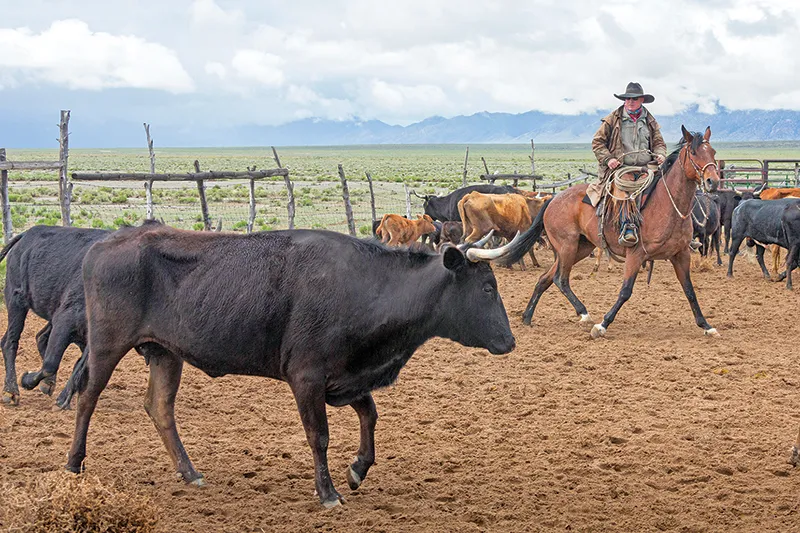 Bridle horse being tracked on a loose rein with no leg cues, completing a complex maneuver on its own.
“The bridle horse is essentially an all-around stock horse,” Black explains. “The ultimate objective was to have a capable horse for working cattle. The bridle horse was ideal because it allowed a rider to hold a rope in one hand and steer the horse with the other, with the aspiration of riding a horse without constant rein pressure.”
Black’s training regimen begins with a hackamore for all his horses, progressing to the two-rein stage, and finally to the spade bit. He describes the spade bit as both a leverage and a signal bit, emphasizing the importance of the horse responding to the slightest mouthpiece movement.
The bridle horse tradition traces its origins to the Moors of Africa, who brought it to Spain. From Spain, it traveled to Mexico with the vaqueros and the expansion of cattle ranching. By the mid-1800s, the vaquero style of riding, tack, rawhide reatas (lariat), and cattle-roping methods were widespread in California. This horsemanship tradition then spread northeast into Nevada, Oregon, and Idaho, influencing families like Black’s, who have been in the horse business for generations.
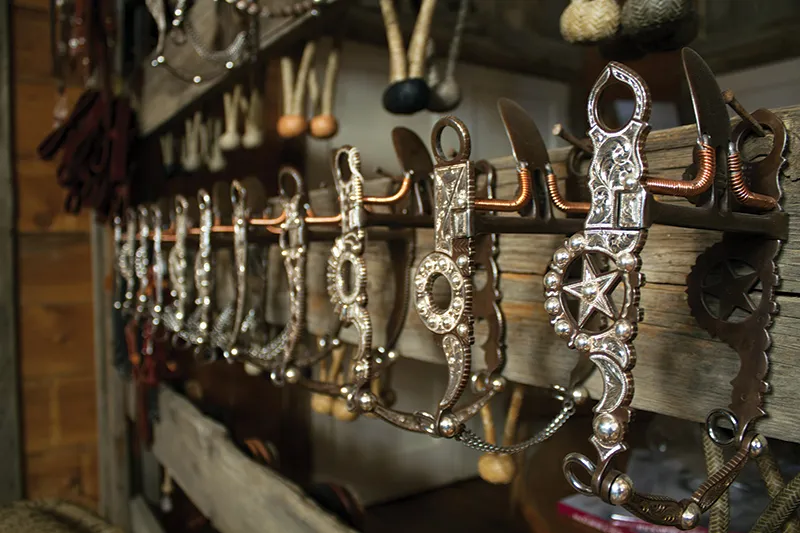 Horses ridden with minimal cues in a spade bit.
Black learned California-style vaquero horsemanship from his great uncle. He distinguishes the traditional bridle horse from modern show pen horses, emphasizing that the goal was to develop a capable working partner rather than focusing on early competitions. He likens the training of young horses to a child’s education, expecting them to mature into skilled individuals over time, with significant development occurring in horses aged five and six.
“It doesn’t take much to ask your six-year-old bridle horse to do something he’s never done,” he elaborates. “They learn to accept challenges. They don’t start shutting you out.” Black contrasts this with repetition-based training, which can limit a horse’s decision-making. He notes that while repetition involves practicing a maneuver until a satisfactory level is reached, the bridle horse approach fosters more independent thinking and a deeper understanding.
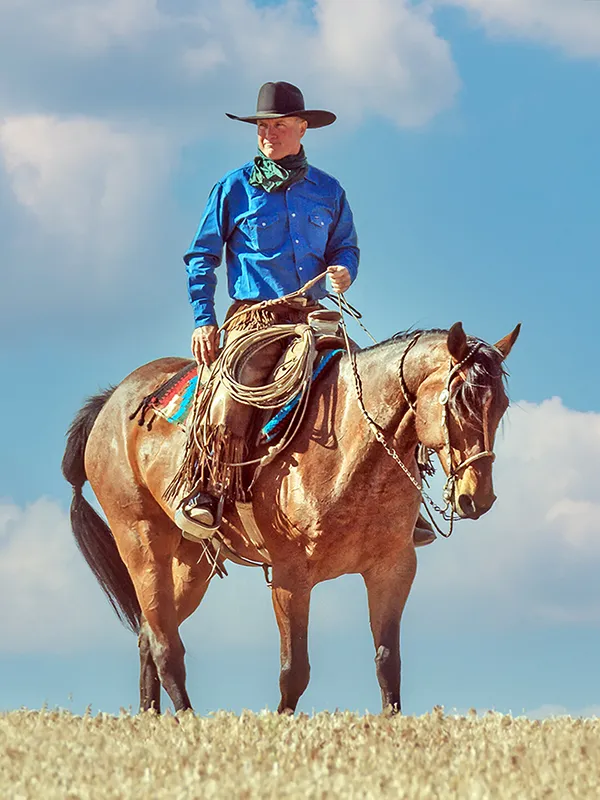 Martin Black passionate about preserving bridle horse traditions; family photos spanning generations.
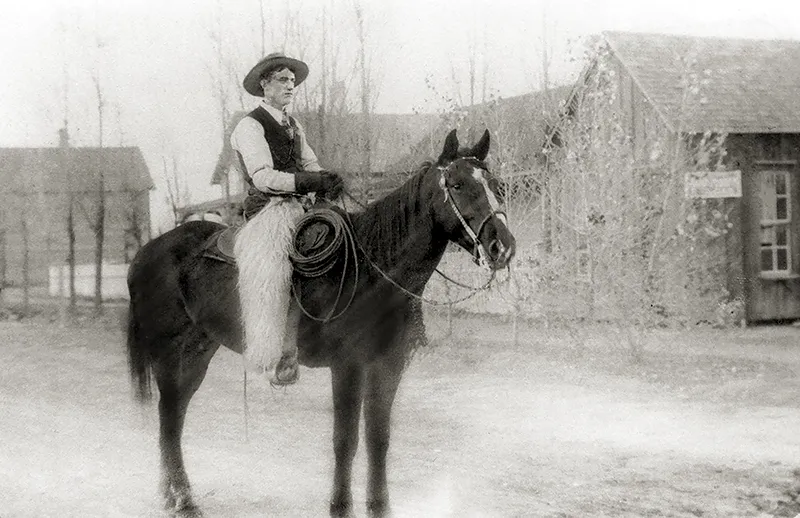 Joe Black in 1900 using a silver spade bit, rawhide reata, and woolly chaps.
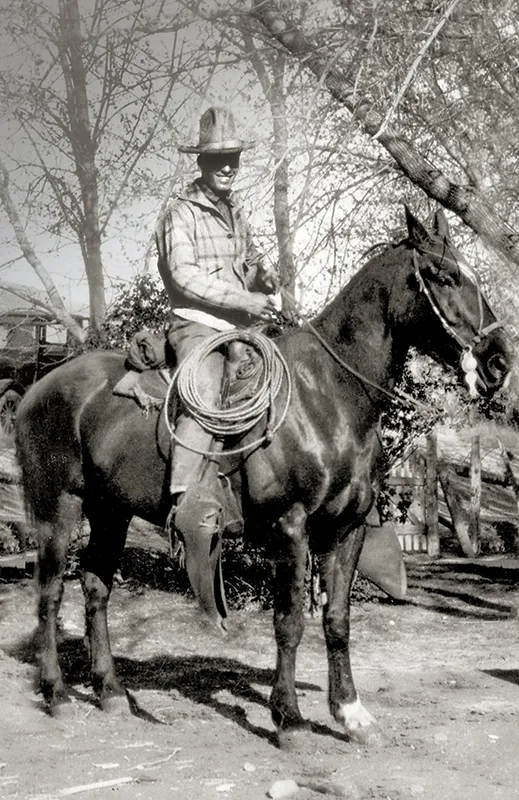 Albert Black in 1926 riding in a spade bit, rawhide reata, and long tapaderos.
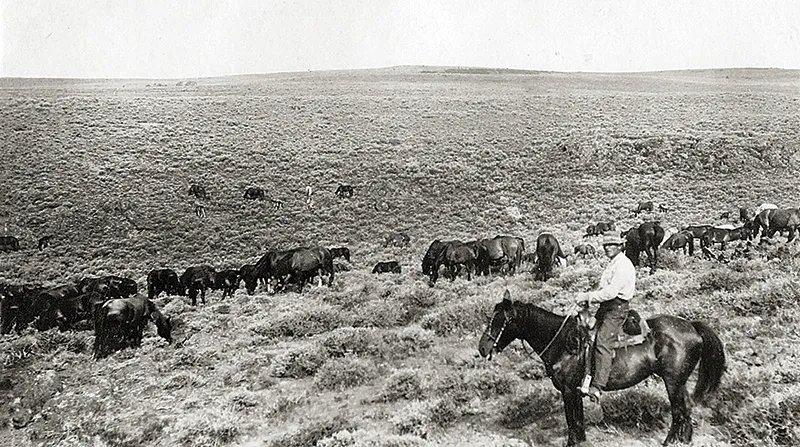 Albert Harley herding range horses in a spade bit, 1890.
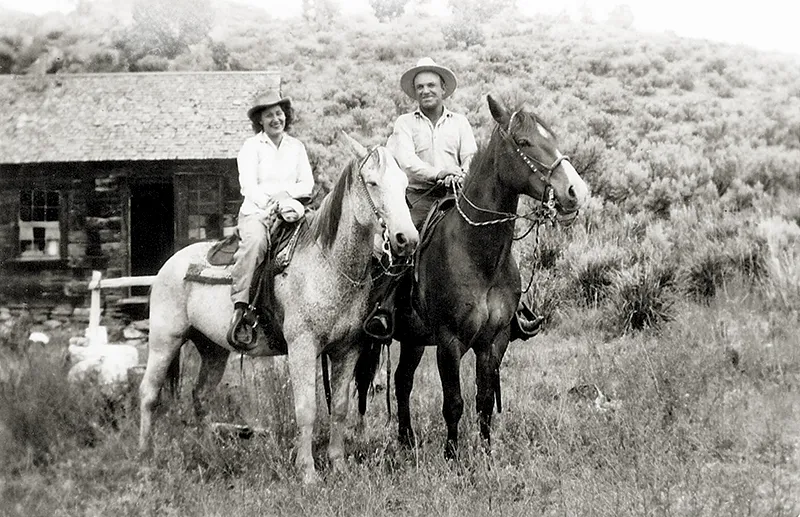 Paul and Mattie Black in 1950 using a spade bit with bosal or two rein (right), and straight up bridle (left).
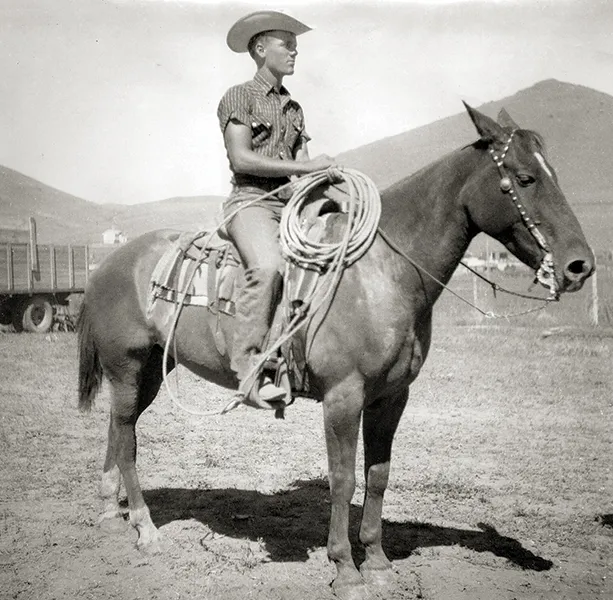 Doug Black competition roping in a spade bit, 1958.
This distinctive training style also attracts riders outside the traditional cowboy community. Stefanie Travers, a British Columbia-based horse philosopher, has been training her horses the bridle horse way for 12 years. She views it not as a sport, but as an art form.
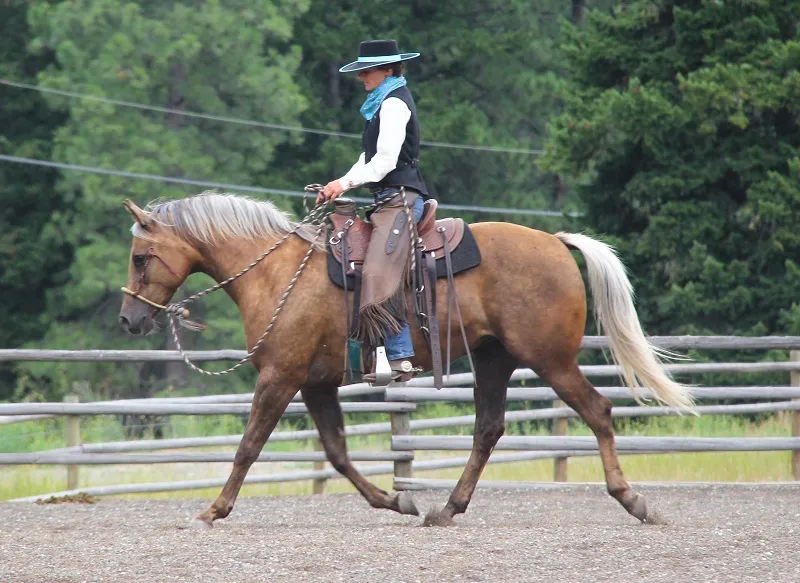 Stefanie Travers riding in a hackamore.
Travers highlights the absence of a strict timeline in bridle horse training, contrasting it with the common three-day colt starts and 90-day training programs prevalent in the modern horse world. “There’s always tomorrow,” is a common sentiment among California-style riders, emphasizing that the horse’s well-being and development are paramount.
Historically, California vaqueros would spend their time observing their cattle and refining their horses’ abilities, treating the process as an art. Travers believes that while interpretations of bridle horse training may vary, all practitioners aim to allow their horses’ full potential to emerge while maintaining a strong relationship.
Stefanie Travers riding in a hackamore.
“The bridle horse tradition is the art of developing a horse to be the very best that it can be as a stock horse,” she explains. “This is a live creature. They’re not a program. The horse dictates the training timeline. They speak a completely different language and we’re trying to work together.”
Travers emphasizes the importance of centeredness in communication, stating, “Everything is based on staying in the centre of the horse… We sit in their epicentre. So to me, developing a bridle horse is about how we find our centres together…”
The tradition also places significant importance on tack. Travers notes the brilliance of the equipment, originally crafted by working cowboys. Black echoes this, recalling evenings spent improving gear, a practice now largely replaced by skilled artisans.
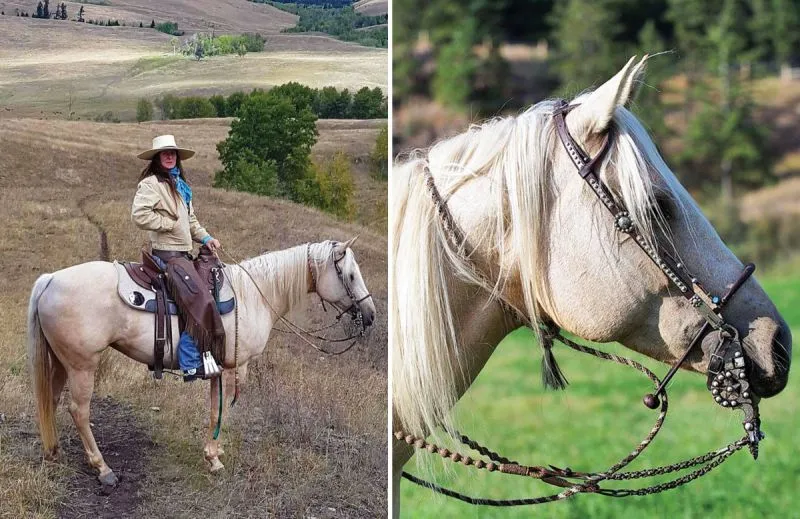 Stefanie Travers discussing brilliant equipment and working cowboys building gear.
Travers elaborates on the nuanced communication facilitated by finely crafted equipment, such as mecates and rawhide braids, describing them as “fibre optics between your hands and the horse’s mouth.” However, she stresses that the rider’s body, energy, breath, presence, and awareness are the most crucial tools, with the equipment serving to complete the communication.
She suggests that bridle horse riding appeals to those seeking a deeper understanding of themselves through their connection with horses, viewing the horse as a reflection of the rider. The ultimate goal for bridle horsemen is to train their horse to be “straight up in the bridle,” a state achieved through a partnership where the horse is round, driving from behind, with a relaxed and engaged posture.
“The horse will teach you if you listen is not just a beautiful saying, it’s the truth,” Travers concludes. “That curiosity about how to find the centre of the horse, how to move them, how to not be offensive to the horse, how to make my idea my horse’s idea and have them run with it – that’s the essence of the bridle horse.” It is this pursuit of profound connection and mastery that continues to drive horsemen and women to uphold the centuries-old bridle horse tradition.
