
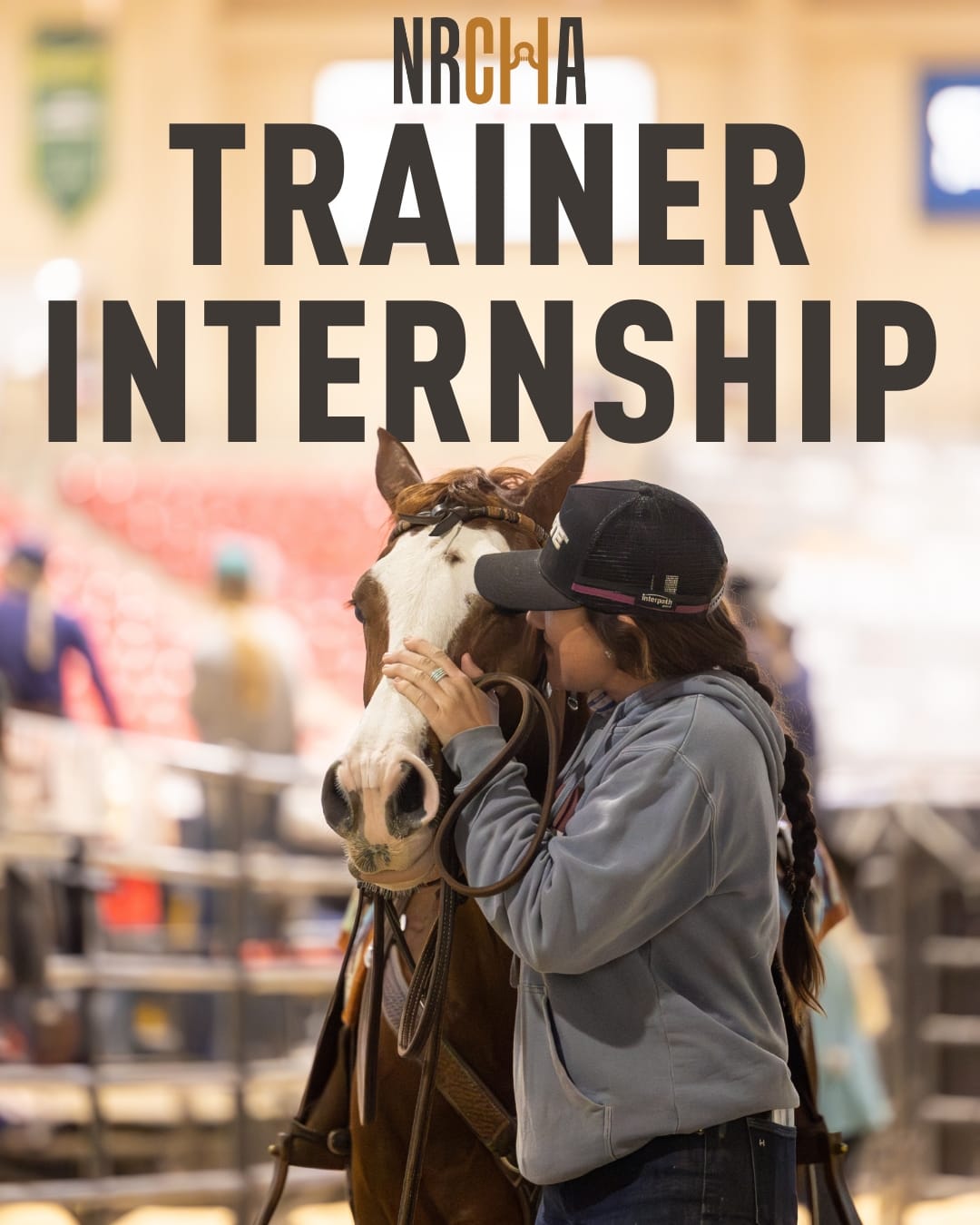
Embarking on a journey to become a skilled horse trainer is a dream for many passionate equestrians. While talent and dedication are crucial, a structured apprenticeship offers an invaluable pathway to gain hands-on experience and professional knowledge. This comprehensive guide explores what a Horse Trainer Apprenticeship entails, who it’s for, and how to find the right program to launch your career in the dynamic world of equine training. Whether you’re drawn to the competitive arena, the therapeutic benefits of horses, or the simple joy of working with these magnificent animals, an apprenticeship can provide the foundational skills and industry connections necessary for success.
Understanding the Horse Trainer Apprenticeship
A horse trainer apprenticeship is essentially a period of supervised, on-the-job training designed to equip aspiring trainers with the practical skills and theoretical knowledge needed to excel in the field. Unlike formal academic programs, apprenticeships prioritize learning by doing, offering direct experience under the guidance of seasoned professionals. This immersive approach allows apprentices to develop a deep understanding of horse behavior, training methodologies, stable management, and client relations.
What Does an Apprenticeship Involve?
The day-to-day responsibilities of an apprentice trainer can vary significantly depending on the specific discipline and the facility. However, common tasks often include:
- Grooming and Stable Care: Assisting with the daily grooming, feeding, mucking out stalls, and overall health monitoring of horses. This foundational work ensures apprentices understand the importance of excellent daily care in a horse’s well-being and training.
- Longeing and Exercising Horses: Learning to safely and effectively longe horses and eventually exercising them under saddle, following the trainer’s instructions. This builds an understanding of different gaits, temperaments, and the physical conditioning required for various disciplines.
- Assisting with Training Sessions: Observing and actively participating in training sessions for horses of different ages and levels of experience. This is where apprentices learn specific training techniques, how to read a horse’s body language, and how to apply different methods for various training goals.
- Learning Training Techniques: Gaining knowledge of various training philosophies and techniques, such as classical dressage, natural horsemanship, or sport-specific methods. Apprentices will learn how to introduce new concepts to horses, correct issues, and build a solid foundation of responsiveness and trust.
- Horse Health and First Aid: Understanding basic equine health, recognizing signs of illness or injury, and assisting with minor first aid treatments. This knowledge is critical for ensuring the safety and well-being of the horses under their care.
- Client Interaction: In some programs, apprentices may have opportunities to interact with clients, learning how to communicate training progress, manage expectations, and build professional relationships.
Benefits of an Apprenticeship
The hands-on nature of apprenticeships offers several distinct advantages:
- Practical Skill Development: Apprentices gain real-world experience that textbooks alone cannot provide. They learn to handle the unexpected and adapt their approach based on the individual horse.
- Mentorship and Guidance: Working closely with experienced trainers offers invaluable insights, personalized feedback, and the opportunity to learn from their successes and challenges. Mentors can guide apprentices in developing their own training style and philosophy.
- Industry Networking: Apprenticeships open doors to professional networks. Building relationships with trainers, barn managers, and other industry professionals can lead to future job opportunities and collaborations.
- Career Advancement: Completing an apprenticeship often fast-tracks career progression, as employers value the practical experience and proven work ethic demonstrated by apprentices. Many apprentices secure full-time positions with their host trainers or find opportunities elsewhere in the industry.
- Earning While Learning: Apprenticeships typically provide a stipend or wages, allowing individuals to support themselves while gaining essential skills and knowledge, unlike many traditional educational paths that incur significant debt.
Finding the Right Horse Trainer Apprenticeship
The search for a suitable apprenticeship requires careful consideration to ensure a good fit for both the aspiring trainer and the host facility.
Where to Look for Apprenticeships
- Professional Organizations: Equine industry associations often have resources or job boards listing apprenticeship opportunities. Websites for organizations related to specific disciplines (e.g., dressage, eventing, reining) can be particularly helpful.
- Training Facilities and Stables: Directly contacting reputable training barns, equestrian centers, and individual trainers known for their expertise can reveal unadvertised apprenticeship openings. A proactive approach, showcasing your passion and willingness to learn, can be very effective.
- Online Job Boards and Forums: Specialized equestrian job boards and online forums dedicated to horse training often feature apprenticeship listings.
- Word of Mouth: Networking within the equestrian community is invaluable. Let fellow riders, barn staff, and veterinarians know you are seeking an apprenticeship; they may have leads or be able to offer recommendations.
What to Look for in a Program
When evaluating potential apprenticeship programs, consider these crucial factors:
- Trainer’s Reputation and Expertise: Research the trainers. What are their credentials? What disciplines do they specialize in? Do they have a reputation for ethical training practices and successful horse development? Understanding their training philosophy is key. For instance, if you’re interested in classical riding, seeking out a trainer with a strong background in dressage, much like those with experience in classical dressage, would be beneficial.
- Training Focus and Discipline: Ensure the apprenticeship aligns with your interests. Are you passionate about starting young horses, retraining problem horses, or specializing in a specific sport like show jumping or western pleasure? Confirm the program’s focus matches your goals.
- Learning Opportunities: Beyond the core tasks, what additional learning experiences are offered? Will you have opportunities to learn about business management, client communication, or attend clinics and competitions?
- Program Structure and Duration: Clarify the expected duration of the apprenticeship, the specific learning objectives, and the progression of responsibilities. Understand what skills you are expected to master by the end of the program.
- Compensation and Benefits: Discuss wages, housing (if provided), working hours, and any other benefits upfront. Ensure the terms are clear and acceptable.
- Work Environment: A positive and supportive work environment is crucial for learning and personal growth. Consider the overall atmosphere of the barn and the working relationship you anticipate with the trainer and other staff.
The Role of Mentorship and Continuous Learning
The relationship between an apprentice and a mentor is central to the success of an apprenticeship. An effective mentor provides not only instruction but also encouragement, constructive criticism, and career advice. They help apprentices develop confidence, refine their skills, and navigate the challenges of the equine industry.
Beyond the structured apprenticeship, a commitment to continuous learning is vital for any aspiring horse trainer. The field of equine science and training is constantly evolving, with new research and techniques emerging regularly. Staying current through reading industry publications, attending workshops and clinics, and continuing to network with other professionals ensures that a trainer’s skills remain sharp and their knowledge base broad. For example, trainers who focus on specific training methods, like those employed by mike hushion horse trainer or fernando abreu horse trainer, often share insights that can benefit others in the field. Similarly, understanding different approaches, perhaps those utilized by charles wilhelm horse trainer, can provide a broader perspective on horse behavior and training.
Building a Career Beyond Apprenticeship
Upon successful completion of an apprenticeship, graduates are well-positioned to pursue various career paths within the equine industry. Some may continue working for their mentor, taking on more responsibility and potentially becoming assistant trainers. Others might seek employment at different training facilities, equestrian centers, or even establish their own training businesses.
The skills and experience gained during an apprenticeship are transferable to numerous roles, including:
- Equestrian Center Manager: Overseeing the daily operations of a riding facility.
- Therapeutic Riding Instructor: Using horses to provide physical and emotional benefits to individuals with disabilities.
- Sales Representative for Equine Products: Leveraging knowledge of horses and training to promote and sell equestrian goods.
- Freelance Horse Trainer: Working independently with clients and their horses on a project basis.
The dedication, hard work, and passion cultivated during a horse trainer apprenticeship lay a strong foundation for a fulfilling and successful career. By seeking out the right mentorship and embracing a lifelong commitment to learning, aspiring trainers can shape a future defined by their deep connection with horses and their contribution to the equestrian world.
