
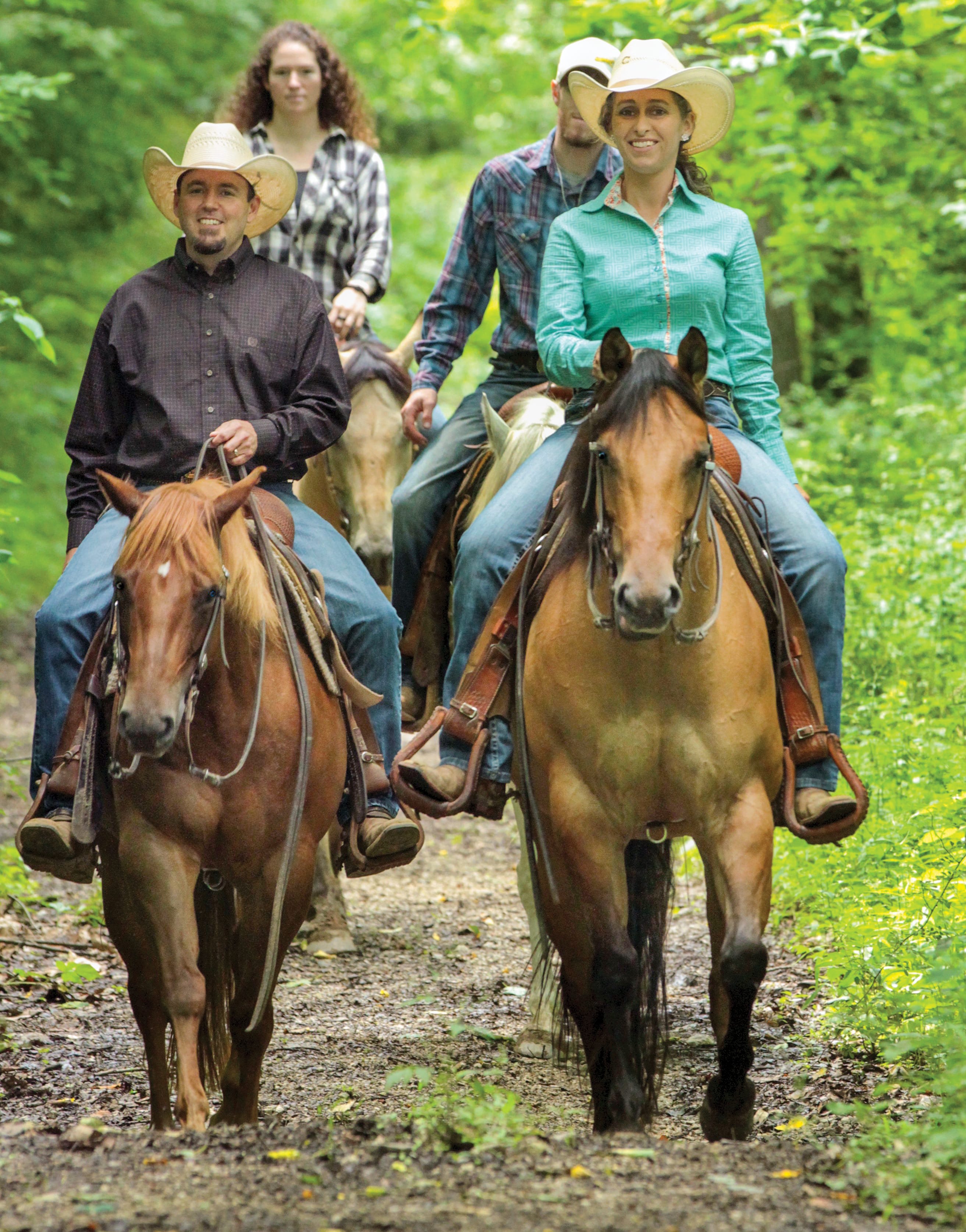
Embarking on a trail ride is one of the most rewarding experiences for both horse and rider. It’s where the bond deepens, trust is solidified, and the beauty of nature is explored. However, trail riding success doesn’t happen by accident. It requires specific training, conditioning, and a deep understanding of your horse’s needs and capabilities. This comprehensive guide will walk you through everything you need to know about Horse Trail Training, transforming your equine partner into a confident and reliable trail companion.
The journey to becoming a skilled trail horse begins long before you hit the open path. It’s a process that builds upon foundational obedience, develops a strong partnership, and prepares your horse mentally and physically for the unpredictable environment of the trails. Whether you’re aiming for leisurely weekend rides or embarking on multi-day treks, mastering horse trail training is key to ensuring safety, enjoyment, and a harmonious connection with your horse.
The Foundation: Building Blocks for Trail Success
Before you even think about crossing a stream or navigating a steep incline, your horse needs a solid foundation of groundwork and ridden obedience. This ensures they respond reliably to your cues and maintain a calm demeanor in new situations.
Groundwork Essentials
Groundwork is the bedrock of all horse training, and it’s especially crucial for horse trail training. A horse that respects your personal space, yields to pressure, and stands patiently is far easier to manage on the trail.
- Leadmanship: Practice leading your horse in various environments, ensuring they walk beside you willingly and don’t pull or lag behind. This includes navigating obstacles like gates, narrow spaces, and uneven terrain.
- Washing and Grooming Patience: Trail riding exposes horses to various elements and requires them to be comfortable with grooming. Ensuring your horse stands quietly for extensive grooming, bathing, and tacking up is essential.
- Trailer Loading and Hauling: Many trail rides involve transporting your horse. A horse that loads and unloads calmly and hauls quietly will make your trail excursions much less stressful.
- Desensitization: Gradually expose your horse to a variety of stimuli they might encounter on the trail. This can include flapping tarps, strange objects, loud noises (at a safe distance initially), and different textures.
Ridden Obedience
Once your horse is reliable on the ground, transfer that obedience to the saddle. A horse that responds promptly to leg aids, reins, and voice commands is safer and more enjoyable on the trail.
- Basic Gaits: Ensure your horse is comfortable and responsive at the walk, trot, and canter, both on and off the lead.
- Transitions: Smooth transitions between gaits, as well as between moving and standing, are vital for control and stamina management on the trail.
- Lateral Movements: Exercises like leg yields and simple turns build suppleness and responsiveness, which are invaluable when navigating tight spots on the trail.
- Stopping and Standing: The ability to stop promptly and stand quietly is paramount for safety, whether you need to pause for a rest, assess the path ahead, or let another rider pass.
Preparing Your Horse for the Trail Environment
The trail presents a world of sensory experiences vastly different from the controlled environment of a riding arena. Preparing your horse to handle these stimuli is a critical phase of horse trail training.
Sensory Desensitization
Horses are prey animals, and anything unfamiliar or sudden can trigger a flight response. Targeted desensitization can help them become more accepting of trail surprises.
- Environmental Sounds: Play recordings of common trail noises like rushing water, birds, distant traffic, or even barking dogs at a low volume while your horse is relaxed. Gradually increase the volume and duration.
- Visual Stimuli: Introduce your horse to objects that mimic trail elements, such as tarps, umbrellas, flags, plastic bags, and even trail obstacles like small logs or water features in a controlled setting.
- Textures and Surfaces: Allow your horse to walk over various surfaces – sand, gravel, mud, leaves, bridges, and potentially shallow water – in a safe, familiar area before encountering them on an actual trail.
Building Confidence
A confident horse is a willing partner. Your goal is to build their trust in you and their ability to handle new situations.
- Gradual Exposure: Start with short, easy rides in familiar areas with minimal distractions. Gradually increase the duration and introduce more challenging terrain and environments.
- Positive Reinforcement: Reward calm and brave behavior with praise, a pat, or a treat. This reinforces the desired response.
- Leading by Example: Your own confidence is contagious. If you remain calm and assured, your horse is more likely to feel secure.
Essential Skills for Trail Riding
Beyond basic obedience, specific skills are necessary for a safe and enjoyable trail experience. This is where the nuances of horse trail training really come into play.
Navigating Terrain
Trails are rarely flat and smooth. Your horse needs to be proficient at handling varied terrain.
- Hills (Ascending and Descending): Teach your horse to walk calmly up hills, maintaining a steady pace, and to descend safely by tucking their hindquarters under and using their hind legs to control the descent. For steeper hills, consider practicing dismounted.
- Water Crossings: Many horses are hesitant to cross water. Start with very shallow, clear water. Encourage your horse to step in, reward them, and gradually increase depth and complexity.
- Uneven Ground and Obstacles: Train your horse to step carefully over logs, rocks, and uneven patches, trusting them to place their feet securely. Practice dismounting and leading over larger obstacles if necessary.
Manners on the Trail
The trail is a shared space. Good manners are essential for the safety and comfort of everyone.
- Riding in a Group: Teach your horse to ride calmly in proximity to other horses, without crowding, nipping, or excessive excitement. This includes understanding lead and follow positions.
- Passing and Being Passed: Your horse should allow others to pass respectfully and be able to pass other riders calmly.
- Yielding and Giving Way: On narrow trails, teach your horse to yield to oncoming traffic or step aside when necessary.
- Standing Tied: Most trail rides involve breaks where horses need to be tied. Ensure your horse stands patiently and safely when tethered.
Safety First: Critical Considerations for Trail Riding
Safety is paramount. Implementing proper safety measures during horse trail training and on every ride is non-negotiable.
Conditioning and Fitness
Trail riding can be physically demanding. Ensure your horse is adequately conditioned for the length and difficulty of your planned rides.
- Gradual Increase in Workload: Slowly build up the duration and intensity of your rides to prevent fatigue, muscle soreness, and injury.
- Awareness of Conditions: Be mindful of weather conditions. Extreme heat, humidity, or cold can impact your horse’s performance and well-being.
Emergency Preparedness
Accidents can happen, even with the best preparation. Being prepared can make a significant difference.
- First-Aid Kit: Carry a well-stocked equine first-aid kit, including essentials for wound care, bandaging, and any personal medications your horse might need.
- Communication: Ensure you have a way to communicate in an emergency. A fully charged cell phone is essential, and consider a satellite messenger for areas with no service. Inform someone of your trail plans, including your route and expected return time.
- Know Your Horse: Understand your horse’s normal vital signs and be able to recognize signs of distress, lameness, or colic.
Tack and Equipment Check
Ensure all your gear is in good working order before every ride.
- Saddle Fit: A well-fitting saddle is crucial for both comfort and safety, preventing sores and ensuring the rider’s balance.
- Bridle and Reins: Check for any wear and tear on the bridle and reins. Ensure bits are comfortable and appropriate for your horse.
- Hoof Care: Properly trimmed and shod hooves are essential for traction and soundness on varied terrain. Consider hoof boots for added protection if needed.
Advanced Trail Training Techniques
As you and your horse progress, you might consider incorporating more advanced training to enhance your trail experience.
Obstacle Courses
Setting up a mini obstacle course can simulate various trail challenges in a safe, controlled environment. Include elements like:
- The Bridge: Practice walking over a stable bridge.
- The Gate: Open and close a gate while mounted or dismounted.
- The Log: Step over various sized logs.
- The Water Box: Simulate a water crossing with a tarp or shallow pool.
- The Cone Weave: Practice navigating a series of cones.
Trail Boss Training
For those interested in leading groups or managing larger trail rides, specific “trail boss” training can be beneficial. This focuses on group dynamics, managing different horse temperaments, and route planning.
Trail Riding Etiquette and Ethics
Responsible trail riding involves respecting the environment and other users.
- Leave No Trace: Pack out everything you pack in, including manure when possible. Stay on marked trails to prevent erosion and protect vegetation.
- Respect Wildlife: Observe wildlife from a distance and never feed wild animals.
- Share the Trail: Be courteous to other trail users, including hikers, cyclists, and other equestrians. Be prepared to yield appropriately.
Conclusion: Your Journey on the Trail
Horse trail training is an ongoing journey, not a destination. It requires patience, consistency, and a deep commitment to building a trusting partnership with your horse. By focusing on foundational obedience, sensory preparation, essential skills, and safety, you can unlock the incredible world of trail riding. Remember to celebrate small victories, enjoy the process, and savor the unique bond that develops when you and your horse explore the great outdoors together. Happy trails!
