
Embarking on the journey of horseback riding is an exciting and formative experience for young children. As an experienced exhibitor, trainer, and judge, I’ve observed firsthand the critical importance of establishing proper techniques from the very beginning. This article aims to provide a comprehensive guide for parents and guardians seeking to introduce their children to the world of horses, emphasizing safety, quality instruction, and fostering a lasting passion for these magnificent animals. My own lifelong connection with horses has shaped my approach to making early equestrian experiences both rewarding and secure for children.
When searching for a suitable riding stable for your child, three paramount factors deserve careful consideration: a safe and well-maintained facility, exceptionally safe and reliable horses, and a knowledgeable and dedicated trainer or instructor. Begin by assessing the facility itself. A walk-through should reveal a neat, clean environment where horses appear well-cared for and adequately fed. The presence of adequate round pens, arenas, and well-maintained footing for riding are crucial indicators of a professional establishment. Take note of the overall tidiness and organization of the tack room, as these details often reflect the care given to the horses and the overall management of the farm. This due diligence in selecting a riding environment is akin to researching skilled guides before embarking on a challenging climb; the stakes are high, and thorough research is essential. online horse trainer.
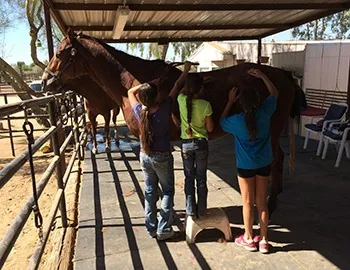 Little girls brushing a horse
Following the facility, the horses themselves must be thoroughly evaluated. Prioritize older, seasoned horses that are demonstrably safe, well-trained, and sound. Equally, if not more important, is the thorough research and interviewing of the instructor. The equestrian world, like many others, can attract individuals who claim expertise without the requisite qualifications. It is vital to investigate their credentials, their years of experience in the industry, and any notable awards or achievements. A professional instructor will often have a website detailing their background and schooling. Seek out references and inquire about their training methodologies. It’s important to understand that many highly accomplished trainers, while skilled, may not dedicate their time to teaching young beginners, as their focus might be on higher-level competition. If this is the case, ensure they have qualified assistants who are committed to working with children. Remember, when seeking instruction, be wary of excessively low prices or choices made based on discount platforms, as these can sometimes indicate a lack of comprehensive training or qualifications. As the adage goes, you often get what you pay for.
A common question among parents is, “When is the right age to start a child riding?” I began my own son, Hayden, riding at the age of four. Prior to that, from ages two and three, he had supervised experiences on gentle horses while I maintained close supervision. Hayden’s advantage was having a father who was a horse trainer, allowing him access to a selection of horses, including a World Champion trail horse, a seasoned lesson horse, and a palomino mare used for steer roping. Many rope horses, due to their calm demeanor and extensive training, make excellent lesson horses for children. I have found these horses to be exceptionally patient and understanding with young riders because they are “broke” (well-trained), have encountered numerous situations, and do not require strenuous effort as lesson horses.
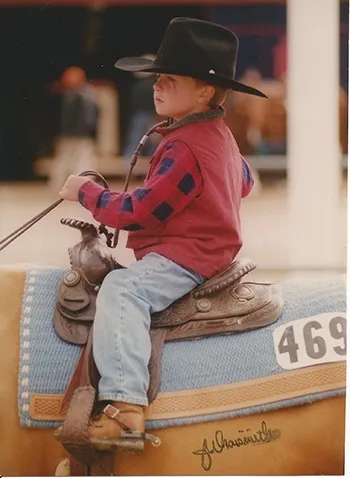 Little boy on horseback
My perspective on children and horses is also informed by my experience judging numerous horse shows across the United States and internationally. During judging assignments, I often take notes, which, when compiled, reveal recurring themes. Unfortunately, at several shows, I’ve witnessed situations that raise concerns about a child’s safety and the parent’s level of awareness. This includes horses stopping abruptly before jumps, leading to children being thrown, horses bolting with young riders during reining patterns, and barrel horses evading control, resulting in falls. These incidents often stem from using completely untrained or inappropriate horses, children not being adequately prepared for the specific disciplines, or parents lacking education about the inherent risks of horseback riding. It is imperative for parents to prioritize their child’s safety, ensuring they ride suitable horses and always wear a helmet with constant supervision. While finding or training the right horse requires time, it doesn’t necessarily equate to significant expense.
Proper equipment is non-negotiable. Ensure the saddle fits the child correctly, that they consistently wear a helmet, and have appropriate footwear. While the decision to wear a helmet is ultimately a parent’s, and some disciplines may allow for exceptions in specific classes, I strongly advocate for helmet use during lessons and general riding, both at home and at shows. This is crucial for liability and, more importantly, for safety. Riding in sneakers is unsafe; proper headgear and boots are essential. Just as children wear helmets when riding bicycles, they should do so when riding horses, which are significantly more dangerous. If a child is frequently falling, it’s a clear signal to re-evaluate the trainer and/or the horse. Opting for older, experienced horses over young, inexperienced ones is highly recommended. The notion of buying a younger horse to “grow up together” can often lead to the phrase, “green and green equals black and blue.”
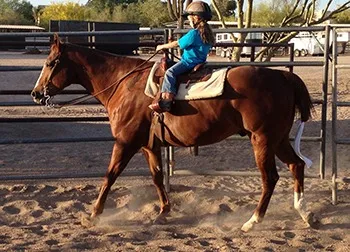 Little girl riding a horse in an arena
Constant supervision is paramount for young children around horses. Beyond the risk of being stepped on, children need to be taught fundamental groundwork skills. This includes grooming, leading, handling the horse correctly, understanding which side to lead from, avoiding standing on the horse’s blind side, and learning how to safely walk around the horse. If they are old enough, teaching them how to pick up a leg and clean hooves properly is also beneficial. A round pen is an invaluable tool for teaching young children. Beginning with walk and trot lessons in a round pen, before introducing cantering or loping, provides a safer environment that requires less steering, allowing the child to focus on balance and other essential riding skills. Initially, I prefer starting young riders in a Western saddle, which offers a greater sense of security. Allowing them to hold the saddle horn for reassurance is acceptable initially, but they must learn to progress beyond this reliance. Using romal reins or roping reins is advisable at this stage, as they are less likely to be dropped than split reins. Teaching the use of split reins can be introduced later as their skills develop, incorporating techniques like bridging the reins and holding them with an index finger between them. It is crucial to keep children in the round pen until they can comfortably canter or lope. Once they master stopping, turning, and controlling the horse, they can advance to the main arena. This transition serves as a powerful motivator, significantly boosting their confidence and balance. In the main arena, I often implement a “virtual round pen” exercise, using cones to simulate the confined space, requiring them to maintain the same precise movements as in the actual round pen. Upon successfully completing this, they are ready to ride with more experienced riders. Teaching foundational horsemanship skills such as balance, maintaining soft hands, proper weight distribution, timing, and feel at an early age equips children with the tools for future riding success. By preventing the development of bad habits, most children progress at a faster rate. Many children I’ve trained since they were four years old have later competed at collegiate levels on NCAA and IHSA intercollegiate riding teams. Instilling responsibility is also key; ensure children participate in post-riding horse care, including bathing, grooming, hoof care, feeding treats, and securing stalls. This is an ideal opportunity to teach them that a horse’s well-being is the top priority, and that fun in riding is intrinsically linked to responsible care.
Children’s attention spans and learning styles vary greatly. Some may ride for extended periods, while others may lose interest quickly. It is essential for parents and instructors to observe and adapt to each child’s needs. If a child expresses a desire to stop, it’s best to conclude the lesson. Conversely, if they wish to continue, accommodate them if time permits. Natural athletic ability also differs among children, making patience with their individual learning pace vital. Consistency in riding is another critical element; like any sport, practice and time in the saddle are irreplaceable. However, it is equally important for parents not to live vicariously through their children’s equestrian pursuits or push them excessively. Allowing the instructor to teach and refraining from interference is crucial, as parental over-involvement can lead to a child withdrawing. I’ve witnessed this dynamic in other youth sports, where coaches had to implement restrictions on parental presence during practices and games to ensure a positive learning environment. If children consistently complain about not winning, it may be time to encourage them to focus on their effort and improvement rather than solely on outcomes. Learning to ride a horse properly offers invaluable life lessons, teaching personal responsibility and resilience in navigating both successes and setbacks. The ability to lose graciously in competition is as important as handling success with humility, both in the arena and in life. In today’s world of instant gratification, understanding that achievement requires hard work, dedication, and personal accountability are among the most profound lessons horses can impart. Horses serve as powerful conduits for teaching children about life’s challenges and the rewards of perseverance.
~ By Mark Sheridan
