
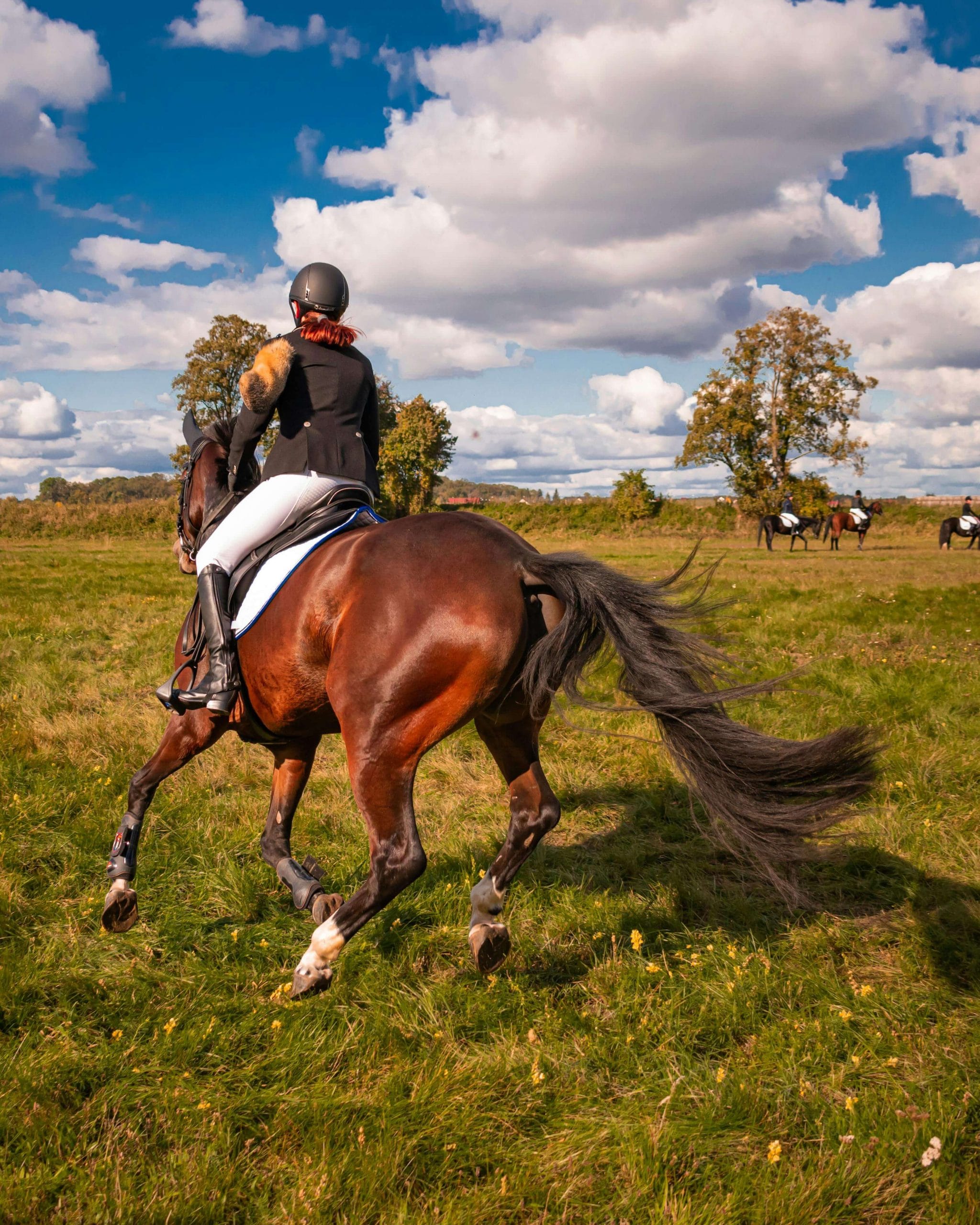
Horse riding, a sport that combines athleticism, grace, and a deep connection with animals, can be an incredibly rewarding experience. However, like many adventurous pursuits, it carries inherent risks. Understanding horse riding accidents, their causes, and how to mitigate them is crucial for every rider, from the novice to the seasoned equestrian. This article delves into the world of horse riding accidents, sharing relatable stories, exploring preventative measures, and outlining the path to recovery for those who have experienced such incidents.
The Allure and the Risk: Why We Ride
The bond between a human and a horse is unique. It’s a partnership built on trust, communication, and mutual respect. Whether for competitive show jumping, leisurely trail rides, or therapeutic purposes, horses offer a profound connection to nature and a sense of freedom. However, horses are large, powerful animals with instincts that can sometimes override training. Unexpected movements, environmental factors, or rider error can all contribute to a fall or accident.
Common Scenarios and Rider Experiences
Accidents can happen in various ways, and the stories that emerge are often a mix of fear, resilience, and lessons learned.
- The Unexpected Spook: Many riders have experienced the sudden jolt of a horse being startled by an unseen object – a plastic bag blowing in the wind, a sudden loud noise, or a shadow. This can lead to a rapid bolt or buck, potentially unseating the rider. Sarah, an experienced rider, recounts a tranquil trail ride that turned frightening when her horse suddenly shied at a snake, throwing her several feet.
- Jumping Challenges: While exhilarating, show jumping and cross-country riding present unique risks. Misjudging a fence, a horse refusing a jump, or a rider losing balance can result in a fall over the obstacle. Mark, a young eventer, shares his story of a tough competition where a slight miscalculation at a water jump led to a significant fall, resulting in a broken collarbone.
- The Young or Untrained Horse: Working with less experienced horses requires patience and skill. While rewarding, these horses may be more prone to unpredictable behavior as they learn. Emily began working with a rescue horse, and after weeks of progress, a simple canter exercise turned into an unexpected spin that left her with a sprained ankle.
- Trail Riding Hazards: Even on familiar trails, uneven terrain, hidden holes, or encounters with wildlife can cause a horse to stumble or react unexpectedly. David, a weekend trail rider, was enjoying a scenic route when his horse’s leg went into a hidden hole, causing a dramatic stumble and a hard fall for David.
Preventing Horse Riding Accidents: A Proactive Approach
While the inherent risks cannot be entirely eliminated, a proactive and informed approach significantly reduces the likelihood of accidents. Safety should always be the paramount concern for riders and horse owners alike.
Essential Safety Gear: Your First Line of Defense
- Helmets: This is non-negotiable. Always wear an ASTM-certified equestrian helmet that fits correctly and is in good condition. A helmet is your most critical piece of safety equipment, designed to protect your brain from serious injury.
- Footwear: Sturdy boots with a defined heel (at least 1 inch) are essential. The heel prevents your foot from sliding too far through the stirrup, reducing the risk of “foot entrapment” if you fall. Avoid open-toed shoes or sneakers.
- Protective Vests: For disciplines like eventing or any activity with a higher risk of falls, a body protector or air vest can offer crucial protection to your torso and vital organs.
- Eye Protection: While less common, some riders opt for protective eyewear, especially in disciplines with flying debris or significant wind.
Rider Education and Skill Development
- Proper Instruction: Seek qualified instruction from experienced trainers. Learning correct riding techniques, including balance, posture, and aids, is fundamental to controlling your horse and anticipating its movements.
- Understanding Horse Behavior: Educate yourself on equine psychology and body language. Recognizing signs of stress, fear, or anxiety in your horse can help you de-escalate potentially dangerous situations.
- Progressive Training: Don’t push yourself or your horse beyond your current capabilities. Gradually increase the difficulty of exercises and introduce new challenges systematically.
- Riding Fitness: Being physically fit improves your balance, strength, and reaction time, all of which are vital for staying secure in the saddle.
Horse Management and Environment
- Well-Maintained Equipment: Regularly inspect all tack – saddle, bridle, girth, etc. – for wear and tear. Ensure it fits both you and your horse correctly. A broken piece of tack can lead to a sudden loss of control.
- Horse Health and Temperament: Ensure your horse is healthy, well-shod, and has a suitable temperament for your riding level. Regular veterinary check-ups are essential.
- Safe Riding Environment: Be aware of your surroundings. Check arenas for hazards, be cautious on trails, and be mindful of other horses and riders. Ensure gates are closed and fences are secure.
Recovering from a Horse Riding Accident
The physical and emotional toll of a horse riding accident can be significant. Recovery is a process that involves both physical healing and psychological adjustment.
Immediate Steps After an Accident
- Assess Injuries: If you are conscious, try to assess the severity of your injuries. If possible, move to a safe location away from the horse.
- Seek Medical Attention: Do not hesitate to seek professional medical help, even if you think your injuries are minor. Adrenaline can mask pain, and some injuries may not be immediately apparent.
- Stay Calm: While difficult, try to remain as calm as possible. Panic can exacerbate physical symptoms and hinder clear thinking.
Physical Rehabilitation
Depending on the nature of the injury, physical therapy will likely be a crucial part of recovery. This may include:
- Pain Management: Doctors will prescribe appropriate pain relief.
- Physical Therapy: Exercises to regain strength, flexibility, and range of motion. This is particularly important for fractures, sprains, and strains.
- Gradual Return to Activity: Working closely with your doctor and physical therapist, you can gradually reintroduce movement and eventually riding.
Emotional and Psychological Recovery
The fear of riding again, known as equestrian trauma or riding-induced anxiety, is very common after an accident.
- Acknowledge Your Feelings: It’s normal to feel scared, anxious, or even angry. Allow yourself to process these emotions.
- Support System: Talk to trusted friends, family, or fellow riders about your experience. Sharing can be incredibly therapeutic.
- Professional Help: If the fear is persistent and debilitating, consider seeking help from a therapist or counselor experienced in trauma.
- Gradual Reintroduction to Horses: When you feel ready, start slowly. Spend time around horses without riding, perhaps grooming or walking a calm horse in hand. Then, progress to short, controlled rides in a safe environment, perhaps with a trusted trainer. The goal is to rebuild confidence slowly and positively.
The Enduring Love for Horses
Despite the risks, the rewards of riding and the companionship of horses often outweigh the potential for accidents. By prioritizing safety, continuously educating ourselves, and supporting each other through difficult times, the equestrian community can continue to cherish this incredible activity. The stories of those who have faced accidents and returned to the saddle are a testament to the resilience of the human spirit and the profound connection we share with these magnificent animals. Understanding the risks is not about fear, but about respect—respect for the horse, respect for the sport, and respect for our own well-being.
