
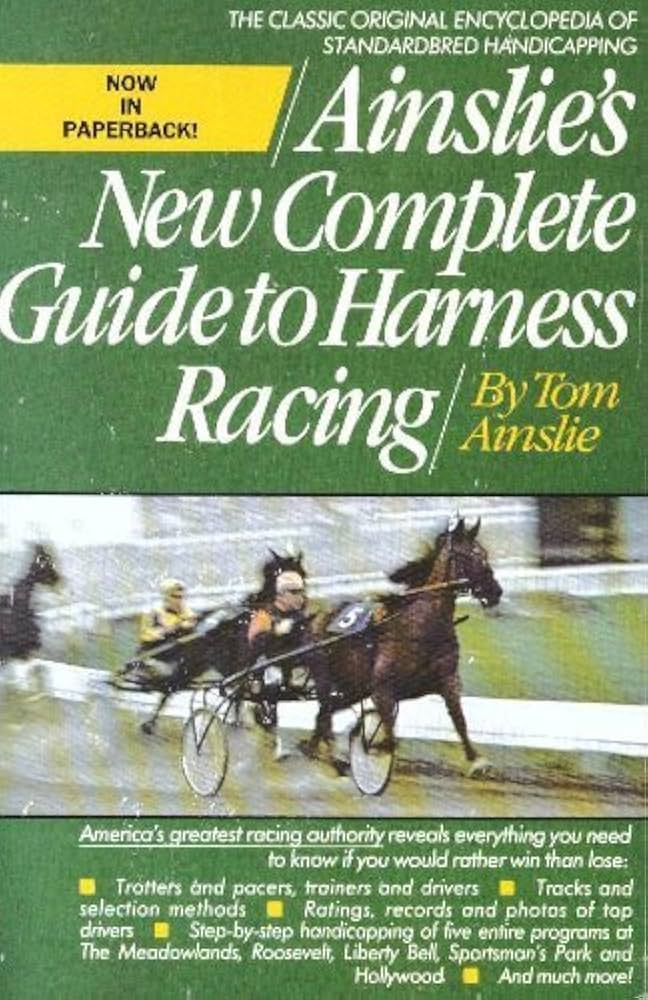
Harness racing, often called “Horse Racing With Carts,” is a thrilling equestrian sport where horses race at a specific gait, usually a trot or pace, while pulling a two-wheeled cart known as a sulky or spider. This dynamic discipline demands exceptional athleticism from the horse, skill from the driver (or reinsman), and strategic prowess from the connections. It’s a sport steeped in history, evolving from practical transportation to a high-stakes global competition. Understanding the nuances of horse racing with carts offers a fascinating glimpse into the world of competitive equestrianism, highlighting the unique partnership between horse and human.
Origins and Evolution of Harness Racing
The roots of harness racing can be traced back to ancient times, with evidence suggesting chariot races in the Roman Empire. However, the modern sport as we know it began to take shape in the 18th and 19th centuries. Initially, horses were driven in everyday carts, and informal races were common. As the sport gained popularity, dedicated tracks were built, and specialized equipment, like the sulky, was developed to enhance speed and safety. The standardization of gaits – the trot and the pace – further refined the sport, creating distinct racing styles. The development of breeds specifically suited for harness racing, such as the Standardbred, played a crucial role in its professionalization. This evolution transformed a pastime into a sophisticated sport with a rich heritage.
The Art of the Trot and the Pace
Harness racing features two primary gaits: the trot and the pace.
- The Trot: A diagonal gait where the diagonal pairs of legs move forward simultaneously. For example, the left foreleg and right hind leg move together, followed by the right foreleg and left hind leg. A trotter must maintain this even, rhythmic movement throughout the race. Any break in the trot, where the horse breaks into a gallop, incurs a penalty and can lead to disqualification.
- The Pace: A lateral gait where the legs on the same side of the body move forward together. The left foreleg and left hind leg move in unison, followed by the right foreleg and right hind leg. Pacers often appear to have a rocking, side-to-side motion. Like trotters, pacers must maintain their gait; breaking into a gallop results in penalties.
The distinction between these gaits is fundamental to harness racing. Horses are bred and trained for one gait or the other, and races are segregated accordingly. Drivers must have a keen understanding of their horse’s natural gait and work to maintain it, especially under the intense pressure of competition.
Key Equipment in Harness Racing
The equipment used in harness racing is designed for performance, safety, and the horse’s comfort.
The Sulky
The sulky, also known as a spider or gig, is a lightweight, two-wheeled cart designed for speed and maneuverability. Modern sulkies are typically constructed from aluminum or carbon fiber, with aerodynamic designs to reduce wind resistance. The driver sits low in the cart, enabling a better center of gravity and more direct control over the horse.
Harness and Bridle
The harness is a complex system of straps that connect the driver to the horse and distribute the pulling force evenly. It includes a bridle, reins, saddle pad, girth, and traces. The reins allow the driver to communicate with the horse, guiding and encouraging it. Specialized bits and check reins are often used to help the horse maintain its desired gait and head carriage.
Other Gear
- Hoof boots or plates: Protect the horse’s hooves and can be customized to enhance traction.
- Head pole: A device attached to the bridle that helps the driver steer and can also assist in keeping the horse balanced.
- Weight: Drivers may carry weights in their sulky to meet specific race conditions or to help balance the cart.
The careful selection and fitting of this equipment are crucial for optimal performance and the horse’s well-being. The intricate balance of technology and traditional horsemanship is evident in every piece of gear.
The Role of the Driver (Reinsman)
The driver, or reinsman, is more than just a passenger; they are an integral part of the racing team. Their responsibilities are multifaceted:
- Gait Maintenance: The driver’s primary job is to keep the horse at its prescribed gait (trot or pace) throughout the race. This requires constant, subtle adjustments of the reins and body posture.
- Pacing Strategy: Drivers must develop and execute a race strategy, deciding when to push their horse forward, conserve energy, or make a move for the lead. This involves reading the race, anticipating opponents’ moves, and understanding their horse’s capabilities.
- Equipment Adjustment: Experienced drivers often make minor adjustments to the equipment during the race to optimize the horse’s performance or comfort.
- Horse Welfare: A responsible driver is attuned to their horse’s condition, ensuring it is not overexerted and is responding positively.
The relationship between a driver and their horse is built on trust and communication. Years of training and experience allow drivers to understand their horse’s cues and preferences, leading to a harmonious partnership on the track. This connection is vital for success in horse racing with carts.
Training Standardbreds for Harness Racing
Standardbreds are the breed most commonly associated with harness racing, specifically bred for their trotting or pacing ability and stamina. The training process is rigorous and begins at a young age.
Early Training
- Gentling and Groundwork: Young Standardbreds are first accustomed to human handling, including being brushed, led, and having their feet handled.
- Long-lining: Horses are taught to respond to voice commands and rein pressure while being driven from behind with long ropes.
- Introducing the Equipment: They are gradually introduced to the harness and then the sulky, initially with an experienced training horse to help them adjust.
Developing Gait and Stamina
- Gait Training: The primary focus is on perfecting the trot or pace. Trainers use specialized equipment and techniques to encourage the horse to maintain its gait smoothly and efficiently.
- Building Stamina: Horses gradually increase their workload, with training sessions becoming longer and more intense to build cardiovascular fitness and muscular endurance.
- Track Work: Horses regularly train on harness racing tracks, simulating race conditions to prepare them for competition. This includes interval training and endurance runs.
The goal is to develop a horse that is not only fast but also sound, willing, and capable of maintaining its gait under pressure. The dedication to training horses to drive is immense.
The Racing Day Experience
A harness racing day is a vibrant event, combining the thrill of competition with a unique atmosphere.
Pre-Race Preparations
- Warm-up: Horses are warmed up on the track before their race, allowing them to stretch their muscles and get accustomed to the track conditions and the presence of other horses.
- Driver Strategy: Drivers and trainers finalize their race strategy, considering the horse’s form, the competition, and the track conditions.
- Veterinary Checks: Horses undergo pre-race veterinary inspections to ensure they are fit to race.
During the Race
- The Start: Races often begin with a mobile starting gate, which helps the horses achieve racing speed before the race officially commences.
- Pacing and Strategy: Drivers employ their strategies, jockeying for position, and making their moves at opportune moments. The race is often won or lost in the final stretch.
- Announcer and Commentary: A race announcer provides live commentary, describing the action on the track, which adds to the excitement.
Post-Race
- Cool-down: Horses are cooled down immediately after the race to help their bodies recover.
- Analysis: Trainers and drivers analyze the horse’s performance, looking for areas of improvement.
- Winner’s Circle: The winning connections celebrate their victory, often in a traditional winner’s circle.
The entire experience, from the thunder of hooves to the strategic brilliance of the drivers, makes horse racing with carts a captivating sport.
Safety and Welfare in Harness Racing
The welfare of the horse is paramount in modern harness racing. Significant advancements have been made in ensuring the safety and well-being of the equine athletes.
- Regulations and Oversight: Racing commissions and governing bodies enforce strict regulations regarding horse care, training practices, and veterinary standards.
- Equipment Standards: Equipment is continuously reviewed and updated to enhance safety and comfort for the horses.
- Veterinary Care: Access to top-tier veterinary care is essential, including diagnostic tools, treatment protocols, and preventative health programs.
- Race Day Protocols: Strict protocols are in place for race day, including pre- and post-race examinations, and immediate attention for any horse experiencing distress or injury.
- Retirement and Aftercare: Programs exist to ensure retired racehorses have a safe and fulfilling future, whether through rehoming, retraining for other equestrian disciplines, or other suitable placements. Many former racehorses find new careers, showcasing the versatility learned during their time in horse train car environments.
The industry is committed to continuous improvement in all aspects of horse welfare, recognizing that the sport’s future depends on the health and happiness of its equine stars. The dedication extends to understanding the mechanics of a draft horse training cart, ensuring even less glamorous aspects of equine work prioritize welfare.
The Future of Harness Racing with Carts
Harness racing, or horse racing with carts, continues to evolve. Efforts are underway to attract new audiences, engage younger generations, and ensure the sport remains relevant in the modern era.
- Technological Integration: Advances in data analytics, tracking technology, and even virtual reality experiences are being explored to enhance fan engagement and betting.
- Broader Appeal: Initiatives to make the sport more accessible and understandable to the general public are ongoing, including enhanced media coverage and fan-friendly events.
- Focus on Sustainability: The industry is increasingly focused on sustainable practices, from track maintenance to the long-term welfare of the horses.
- Global Expansion: While rooted in tradition, harness racing continues to expand its reach globally, with growing interest in various international markets.
The enduring appeal of horse racing with carts lies in the raw power and grace of the horses, the strategic brilliance of the drivers, and the deep connection between human and animal. As the sport moves forward, it seeks to honor its rich history while embracing innovation, ensuring that this exciting equestrian discipline continues to thrive for generations to come. The legacy of wagon train man called horse is echoed in the enduring spirit of partnership and endurance seen on today’s tracks, a testament to the historical significance of this bond, similar to how a horse powered train once relied on this synergy.
