
Have you ever witnessed the thunderous rhythm of hooves, not under a jockey, but ahead of a driver on two wheels? This is the exhilarating world of Horse Racing With Cart, a captivating sport more formally known as harness racing. It’s a unique equestrian discipline that combines speed, strategy, and a special bond between horse and driver. Unlike the more famous Thoroughbred racing, this sport features powerful Standardbred horses pulling a two-wheeled cart, called a sulky, at incredible speeds. The focus here is on a specific gait, either a trot or a pace, making it a test of discipline as much as raw velocity. Understanding the nuances of this sport reveals a rich history and a deeply dedicated community. Much like a skilled equestrian journalist needs the right mentor, which begs the question of who is the trainer for the horse journalism, a harness racing driver must possess an intricate understanding of their equine partner.
What is Harness Racing? The Sport of Trotters and Pacers
At its core, harness racing is a form of horse racing where horses pull a driver in a sulky. Instead of galloping freely, the horses must maintain a specific gait. This fundamental difference sets it apart from other racing forms and creates a unique spectacle of coordinated power.
The horses compete on tracks, typically a mile long, and the goal is simple: to be the first to cross the finish line without “breaking stride.” Breaking stride means falling into a gallop, and a driver must immediately pull their horse back to the correct gait, losing precious time and momentum. This rule introduces a layer of strategy and skill that is central to the sport’s appeal. The drivers, not jockeys, are the athletes who guide these powerful animals, using long reins and subtle cues to control speed and position throughout the race.
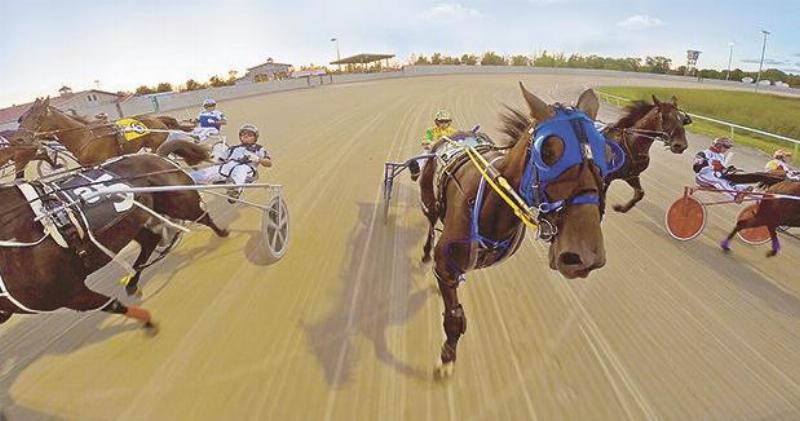 A Standardbred horse at full pace during a horse racing with cart event, pulling a driver in a sulky.
A Rich History: From Ancient Chariots to Modern Tracks
The concept of a horse pulling a human on wheels is as old as civilization itself. The direct ancestor of harness racing is the chariot racing of ancient Greece and Rome, a thrilling and often dangerous spectacle that captivated empires. However, the modern sport of harness racing began to take shape in Europe and North America in the 18th and 19th centuries.
It started as informal races between farmers, who would race their trotting horses, which were also their primary mode of transportation. These contests of speed and stamina became organized events, leading to the development of specialized tracks and a dedicated breed of horse: the Standardbred. The name “Standardbred” originated from the need for horses to meet a certain “standard” time for a mile to be registered as part of the breed. This focus on performance breeding cemented the foundation for the professional sport we see today at iconic venues like the red mile horse racing track.
The Stars of the Show: The Standardbred Horse
While other breeds can be trained to pull a sulky, the Standardbred reigns supreme in harness racing. This breed was developed in North America and is known for its powerful muscles, sturdy build, and calm temperament. Critically, they have a natural propensity for the two specific gaits used in harness racing.
Dr. Samuel Bennett, an equine sports historian, notes, “The Standardbred is not just bred for speed; it’s bred for a specific kind of speed. Their genetics and conformation give them an innate ability to hold a trot or a pace under pressure, which is the very essence of the sport.”
Their willing and trainable nature makes them ideal partners for the intense environment of the racetrack. They are intelligent animals that form a strong connection with their drivers, responding to the slightest commands as they navigate a crowded field of competitors.
Understanding the Gaits in Horse Racing with Cart
The gait is the most important rule in harness racing. A horse must maintain either a trot or a pace from start to finish. Races are specifically designated for one gait or the other; trotters only race against trotters, and pacers against pacers. The training for each is meticulous, much like the detailed preparation undertaken by a top paul jones horse trainer.
What is Trotting?
Trotting is a diagonal gait. This means the horse’s legs move in diagonal pairs. As the right front leg moves forward, so does the left hind leg, and vice versa. This creates a rhythmic, one-two beat. Trotting requires incredible balance and muscle control, as it is a less stable gait than pacing, especially at high speeds.
What is Pacing?
Pacing is a lateral gait. The horse’s legs move in lateral pairs, meaning both legs on the same side of the body move forward and backward together. The right front and right hind legs move as a pair, alternating with the left front and left hind legs. Pacing is generally faster than trotting and is often aided by special straps called “hobbles” that connect the legs on each side to help the horse maintain the gait.
Major Harness Racing Events Around the World
Harness racing is a global sport with premier events that draw massive crowds and international attention. These races are the pinnacle of the sport, showcasing the best horses, drivers, and trainers in the world.
- The Hambletonian: Held in New Jersey, this is the most prestigious trotting race in North America. Winning the Hambletonian can instantly make a trotter a legend.
- The Little Brown Jug: A world-renowned pacing race held in Ohio, known for its festive atmosphere and grueling “heat” racing format where horses may have to race multiple times in one day.
- Prix d’Amérique: Hosted at the Vincennes Hippodrome in Paris, this is arguably the world’s most famous trotting race, known for its massive purse and electric atmosphere.
- Inter Dominion: A championship series held in Australia and New Zealand that crowns the best trotter and pacer in the Southern Hemisphere.
These events are where legends are born and where the dedication of trainers, like the esteemed david jacobson horse trainer, comes to fruition on the world stage.
Frequently Asked Questions (FAQ)
What is the cart in horse racing called?
The cart used in this type of horse racing is officially called a “sulky.” It is a lightweight, two-wheeled vehicle designed for a single driver, engineered for minimal drag and maximum speed.
Are the drivers of the carts jockeys?
No, they are referred to as “drivers” or sometimes “reinsmen.” Unlike jockeys who ride the horse, drivers sit in the sulky and control the horse using long reins and verbal commands.
What’s the difference between a pacer and a trotter?
The difference lies in their gait. A trotter moves its legs in diagonal pairs (e.g., right front and left hind together). A pacer moves its legs in lateral pairs (e.g., right front and right hind together). Pacing is generally a faster gait than trotting.
How fast do harness racing horses run?
Harness racing horses are incredibly fast. Pacers can reach speeds of over 30 miles per hour (48 km/h), often completing a mile in under one minute and 50 seconds. Trotters are slightly slower but still reach impressive speeds.
Is horse racing with a cart cruel?
Reputable harness racing organizations have strict rules and regulations in place to ensure the welfare of the horses. These rules cover everything from track conditions to the type of equipment used. The Standardbred breed is well-suited for the task, and the bond between a driver and their horse is typically one of deep trust and care.
Conclusion
The world of horse racing with cart is a dynamic and thrilling corner of the equestrian universe. From its ancient origins to the high-stakes international events of today, harness racing is a testament to the power, intelligence, and grace of the Standardbred horse. It is a sport of precision, where the specialized gaits of trotters and pacers are on full display, and where the strategic skill of the driver is just as important as the speed of the horse. The next time you see the unique sight of horses pulling sulkies around a track, you’ll have a deeper appreciation for the history, skill, and sheer excitement that defines this incredible sport.
