
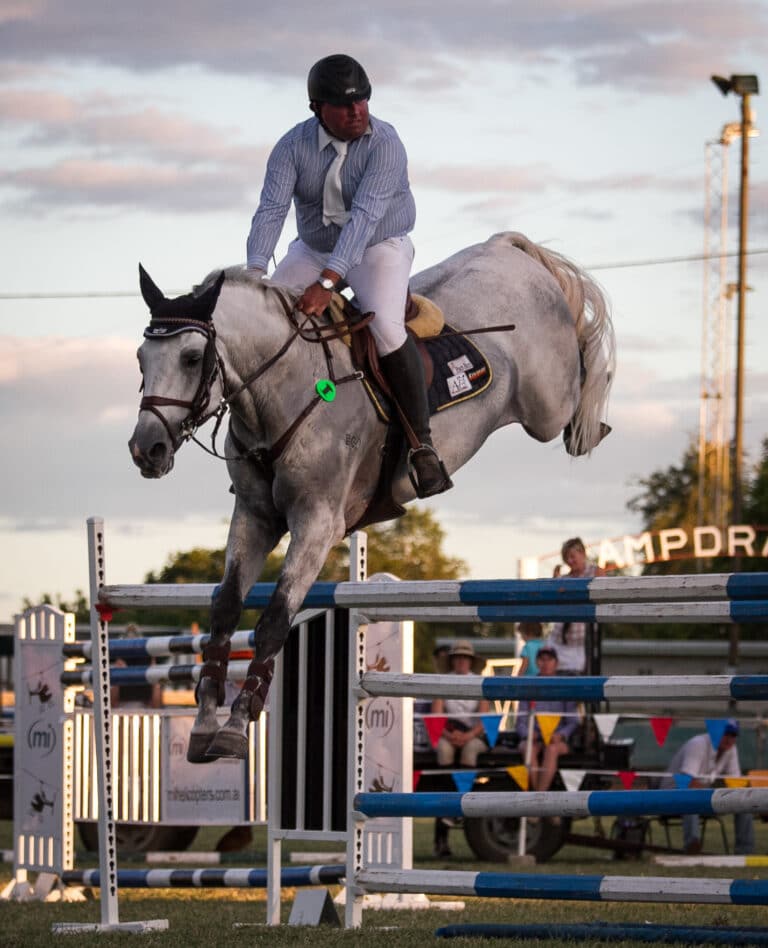
Horse racing is a sport where the bond between horse and rider, coupled with rigorous training, dictates success. Developing a finely tuned athlete requires a deep understanding of equine physiology, behavior, and the specific demands of racing. “Equine Excellence” is dedicated to exploring the cutting-edge and time-tested methods that shape champion racehorses, ensuring their physical and mental well-being throughout their careers. This guide delves into the essential Horse Racing Training Techniques that underpin the sport, aiming to inspire and educate future generations of trainers and owners.
The Genesis of a Racehorse: Early Training and Foundation
The journey of a racehorse begins long before it steps onto the track. Foundational training in the early stages is paramount for developing a sound, confident, and responsive athlete. This period is crucial for establishing a strong partnership between horse and handler, laying the groundwork for more specialized racing education.
Understanding Equine Development
Foals and young horses undergo rapid physical and mental growth. Training at this stage must be patient and progressive, focusing on building trust and positive associations with human interaction. Introducing basic handling, grooming, and groundwork helps the young horse become accustomed to the routines of a racing stable. This early exposure is vital for building a horse that is mentally resilient and receptive to further training.
Groundwork and Desensitization
Before any ridden work commences, extensive groundwork is essential. This includes leading, lunging, and teaching the horse to yield to pressure. Desensitization to various sights and sounds—such as the movement of equipment, other horses, and stable noises—is critical to prevent spooking or anxiety during training and racing. A well-desensitized horse is more focused and less likely to be overwhelmed by the demanding environment of a racetrack.
Introducing Tack and Rider
The first introduction to a saddle and bridle should be a gradual and positive experience. Horses are taught to accept the weight of a rider on their back through controlled lunging sessions before ridden work begins. Early ridden sessions focus on balance, rhythm, and responsiveness to the rider’s aids, rather than speed or exertion. The goal is to ensure the horse is comfortable and confident carrying a rider, making subsequent training phases smoother.
Crafting Speed and Stamina: The Core of Racing Training
Once a solid foundation is established, training shifts towards developing the specific attributes required for racing: speed, stamina, and agility. This phase involves carefully structured exercise programs designed to enhance cardiovascular fitness, muscular strength, and the horse’s natural racing aptitude.
Developing Speed and Acceleration
Speed training, often referred to as “strides” or “speed work,” involves short bursts of high-intensity galloping. These sessions are meticulously planned to improve the horse’s acceleration and top speed without causing undue physical stress. The distance and intensity are gradually increased as the horse builds fitness and resilience. This type of work is typically introduced closer to race day to ensure peak condition.
Building Endurance and Stamina
For longer races, building stamina is crucial. This involves longer gallops at a controlled pace, designed to improve the horse’s aerobic capacity and ability to maintain performance over extended distances. Interval training, alternating periods of high-intensity work with recovery, is also effective in building both speed and stamina. Careful monitoring of the horse’s heart rate and recovery allows trainers to tailor these sessions effectively.
The Role of Conditioning and Fitness
A comprehensive conditioning program goes beyond just galloping. It includes exercises to build core strength, hindquarter power, and overall athleticism. Hill work, for instance, is excellent for developing hindquarter strength and lung capacity. Swimming can also be a valuable low-impact alternative for conditioning, especially for horses recovering from minor injuries or needing a change of pace. The overall fitness regime is holistic, considering every aspect of the horse’s physical preparedness.
Refinement and Strategy: Race-Day Readiness
As a race approaches, training shifts from building fitness to fine-tuning the horse’s race-day readiness and tactical awareness. This phase involves simulating race conditions and ensuring the horse is mentally prepared for the pressures of competition.
Gate Practice and Track Familiarization
Familiarity with the starting gates is essential to ensure a clean break. Horses are regularly schooled in starting gates to associate the experience with positive outcomes and to minimize any potential for balking or anxiety. Familiarity with the specific racetrack, including its undulations, turns, and surface, is also cultivated through regular schooling or training gallops on the course.
Tactical Training and Pacing
Understanding pace and racing tactics is developed through controlled workouts. Horses learn to respond to riders’ cues for accelerating, slowing down, and maintaining a steady pace. Experienced jockeys play a crucial role in guiding the horse through these tactical drills, simulating race-day scenarios. This helps the horse develop intelligence and awareness on the track, responding effectively to the race’s dynamics.
Nutrition and Recovery
Optimal nutrition is the bedrock of performance and recovery. Racehorses require a carefully balanced diet to fuel intense training and aid muscle repair. This typically involves high-quality forage, supplemented with specialized grain mixes and nutrients. Post-exercise recovery protocols, including proper hydration, cooling down, and sometimes therapeutic treatments, are critical for preventing injuries and ensuring the horse is ready for its next training session or race.
The Future of Training: Innovation and Ethics at Equine Excellence
At “Equine Excellence,” we are committed to advancing horse racing training through innovation while upholding the highest ethical standards. Embracing new research in equine science, utilizing advanced technology, and prioritizing the horse’s well-being are at the forefront of our philosophy.
Embracing Sports Science and Technology
Modern training incorporates insights from sports science, including biomechanics, exercise physiology, and advanced veterinary diagnostics. Technologies like GPS tracking, heart rate monitors, and even motion analysis help trainers precisely measure a horse’s performance and physiological response to training. This data-driven approach allows for highly personalized training regimens, optimizing each horse’s potential while minimizing the risk of injury.
Ethical Considerations and Horse Welfare
The welfare of the racehorse is paramount. Ethical training practices focus on building a partnership based on trust and respect, avoiding harsh methods, and ensuring that the horse’s physical and mental health are prioritized. This includes appropriate rest periods, adequate nutrition, and prompt attention to any signs of discomfort or injury. A happy, healthy horse is more likely to perform at its best and enjoy a long, fulfilling career.
Continuous Learning and Adaptability
The field of equine sports is constantly evolving. “Equine Excellence” encourages a culture of continuous learning, staying abreast of the latest research, and adapting training methodologies as new insights emerge. Sharing knowledge and best practices is key to elevating the standards of horse racing training globally, ensuring the sport remains competitive, ethical, and sustainable for generations to come.
Conclusion: The Art and Science of Equine Athletes
Training a racehorse is a complex endeavor that marries the art of horsemanship with the science of athletic conditioning. From the foundational work with young horses to the nuanced strategies employed for race-day readiness, every step requires dedication, expertise, and a profound respect for the equine athlete. By adhering to ethical principles and embracing innovative horse racing training techniques, we can continue to foster excellence and ensure the well-being of these magnificent animals.
