
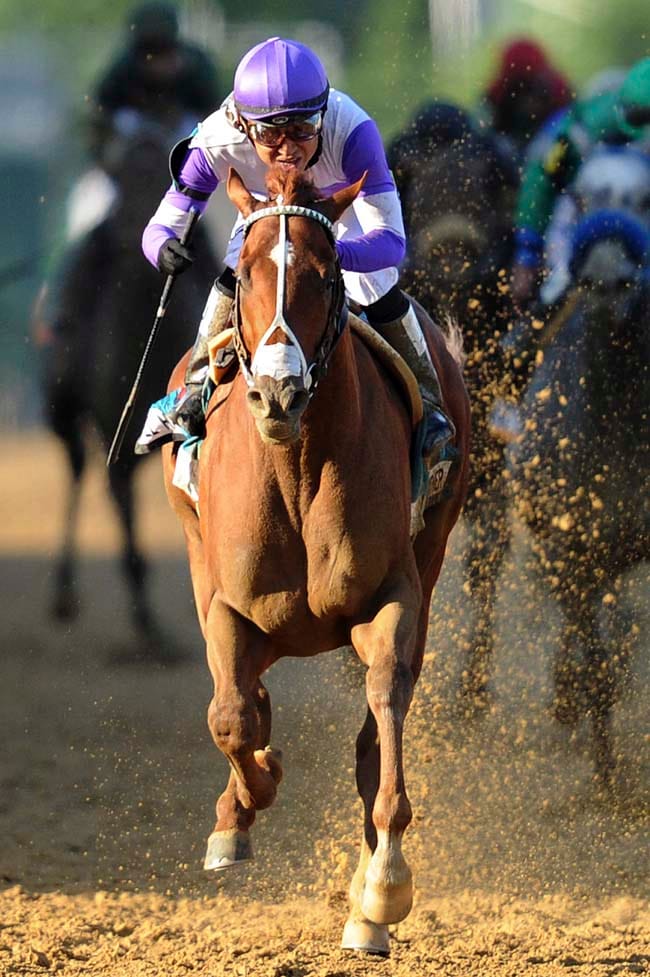
The Triple Crown of Thoroughbred Racing represents the pinnacle of achievement in the sport, a series of three demanding races for three-year-old horses. Winning all three is a rare feat that cements a horse’s legacy. For fans and aspiring owners alike, understanding the intricate horse racing schedule for the Triple Crown is crucial. This prestigious series is not just about speed; it’s a test of endurance, training, and a horse’s ability to perform under intense pressure.
The journey to the Triple Crown is a carefully orchestrated annual event, with each race carrying significant weight and historical importance. The schedule is designed to challenge young horses, pushing them to their limits while showcasing the best talent in the sport. Let’s delve into the specifics of this iconic horse racing schedule and what makes it so special.
The Three Jewels of the Triple Crown
The Triple Crown consists of three distinct races, each with its own unique characteristics and challenges. These races are strategically placed throughout the spring, allowing horses time to recover and prepare for the next grueling test.
1. The Kentucky Derby: “The Run for the Roses”
The first jewel, and arguably the most famous, is the Kentucky Derby. Held annually on the first Saturday in May at Churchill Downs in Louisville, Kentucky, this race is steeped in tradition.
- Date: First Saturday in May
- Location: Churchill Downs, Louisville, Kentucky
- Distance: 1 1/4 miles (10 furlongs)
- Surface: Dirt
- Field Size: Traditionally a maximum of 20 horses.
The Kentucky Derby is unique for its massive field size and the sheer spectacle surrounding it. It’s often the first major test for two-year-olds transitioning into their three-year-old season. The sheer number of competitors means navigating traffic and finding a clear path is a significant part of the race strategy. The excitement and pageantry make it a national event, attracting a vast audience far beyond the dedicated horse racing community. Understanding the Derby’s horse racing schedule is the first step in following the Triple Crown journey.
2. The Preakness Stakes: The Middle Jewel
Just two weeks after the Kentucky Derby, the Preakness Stakes takes center stage. Held at Pimlico Race Course in Baltimore, Maryland, it’s a shorter, more intense race that often proves to be a crucial turning point for Triple Crown hopefuls.
- Date: Third Saturday in May
- Location: Pimlico Race Course, Baltimore, Maryland
- Distance: 1 3/16 miles (9.5 furlongs)
- Surface: Dirt
- Field Size: Typically a smaller field than the Derby, usually around 10-14 horses.
The Preakness Stakes is shorter than the Derby, requiring a different kind of speed and stamina. The track at Pimlico is also known for its unique configuration and sometimes muddy conditions, adding another layer of challenge. Horses that perform well in the Derby often find the shorter distance of the Preakness more to their liking, while others might struggle. The quick turnaround from the Derby means that conditioning and recovery play a massive role. The horse racing schedule for this middle jewel demands peak performance from the contenders.
3. The Belmont Stakes: “The Test of the Champion”
The final jewel, the Belmont Stakes, is the longest and often considered the most challenging race of the Triple Crown. Held three weeks after the Preakness at Belmont Park in Elmont, New York, it’s a true test of a horse’s heart and stamina.
- Date: First or Second Saturday in June
- Location: Belmont Park, Elmont, New York
- Distance: 1 1/2 miles (12 furlongs)
- Surface: Dirt
- Field Size: Typically a smaller field, similar to the Preakness.
Belmont Park, with its expansive 1.5-mile main track, is known as “Big Sandy.” The sheer length of the Belmont Stakes requires a horse with exceptional stamina and a strong closing kick. Many horses that do well in the first two legs may falter at this final, demanding distance. The horse racing schedule culminates here, where a horse can either achieve racing immortality or fall just short of the ultimate prize. The long stretch run at Belmont requires a horse to sustain its speed for a significant period, differentiating it from the shorter, more sprint-like nature of the earlier races.
The Importance of the Horse Racing Schedule
The specific timing of the Triple Crown races is meticulously planned to create a narrative of escalating challenge and to allow adequate recovery time for the equine athletes.
- Recovery and Conditioning: The intervals between races are critical. The Derby and Preakness are separated by just two weeks, a tight turnaround that tests a horse’s physical resilience. The three-week gap before the Belmont provides a bit more recovery time, but the cumulative fatigue from the previous two grueling races is a significant factor. This careful horse racing schedule is designed to push horses to their limits without causing undue harm.
- Strategic Preparation: Trainers must devise training regimens that peak their horses for each specific race. This involves managing energy levels, fine-tuning racing styles, and making calculated decisions about adjustments to diet and exercise. The horse racing schedule dictates the entire preparation strategy for these young athletes.
- Building Momentum: The sequence of the races allows for a narrative to build. As a horse progresses through the Triple Crown, the anticipation and media attention grow, creating a compelling story for fans. Each race win adds to the horse’s momentum and public profile, leading up to the grand finale at Belmont.
Navigating the Triple Crown Betting Landscape
For those interested in betting, understanding the horse racing schedule and the nuances of each race is paramount. Betting strategies often evolve throughout the series.
- Kentucky Derby: With a large field, the Derby offers opportunities for long-shot bets, but also significant risk. Form analysis, post-position, and jockey tactics are key.
- Preakness Stakes: Often sees a smaller, more focused field. Horses coming out of the Derby often have a perceived advantage, but track conditions and distance suitability become more critical factors.
- Belmont Stakes: The stamina test means horses that have shown staying power and are closing well are often favored. Pacing and the ability to handle the longer distance are crucial considerations.
Beyond the Schedule: The Triple Crown Legacy
The Triple Crown is more than just a series of races; it’s a part of racing history. Only a handful of horses have ever achieved this incredible feat, including:
- Sir Barton (1919)
- Gallant Fox (1930)
- Omaha (1935)
- War Admiral (1937)
- Whirlaway (1941)
- Count Fleet (1943)
- Assault (1946)
- Secretariat (1973)
- Affirmed (1978)
- American Pharoah (2015)
- Justify (2018)
Each of these victories is etched in the annals of sports history, celebrated for the sheer athletic brilliance and the perfect execution of a demanding horse racing schedule. The rarity of these wins only adds to their allure and the mystique surrounding the Triple Crown. The pursuit of this ultimate prize continues to captivate audiences year after year, showcasing the extraordinary capabilities of Thoroughbred racehorses.
The horse racing schedule for the Triple Crown is a cornerstone of the sport, providing a framework for incredible athletic achievement and enduring legacies. From the electrifying start at the Kentucky Derby to the grueling finish at the Belmont Stakes, following this series is a thrilling experience for any racing enthusiast.
