
In the thundering world of horse racing, every piece of equipment is a blend of tradition, performance, and most importantly, safety. Among the most iconic items is the jockey’s headwear. Far more than a simple cap, modern Horse Racing Jockey Hats, known professionally as helmets or skull caps, are marvels of safety engineering designed to protect riders in a high-speed, high-stakes sport. They are a critical barrier between the rider and the inherent risks of their profession, a testament to how far safety has evolved from the simple silk caps of yesteryear.
Understanding the function and importance of this gear is crucial for anyone passionate about equestrian sports. Similarly, keeping up with events at iconic venues is part of the enthusiast’s journey; you can always check the del mar horse racing schedule to stay informed. From their historical origins to the stringent safety standards they must meet today, these helmets are a fascinating subject that speaks volumes about the sport’s commitment to its athletes.
The Evolution of Jockey Headwear
The journey from a flimsy colored cap to a high-tech protective helmet is a story written through necessity and technological advancement. Early in the sport’s history, jockeys wore simple silk caps. These served only to display the owner’s racing colors, known as “silks,” and offered no protection whatsoever. The dangers were immense, with falls and flying debris posing a constant threat to riders.
The first significant shift occurred in the early 20th century when Australian jockeys began adopting leather “skull caps.” This innovation caught the attention of influential owners and racing commissions after it was observed that head injury rates decreased among those who wore them. By the 1950s, racing associations in the United States began to mandate the use of protective headwear, moving from early leather and cork models to the more effective plastic “Caliente” helmets in the late 1950s. These early helmets were a step in the right direction, but as retired jockey Richard Migliore noted, they were like an “eggshell over your head,” offering minimal protection compared to today’s standards.
Safety First: Decoding Modern Helmet Standards
The primary purpose of modern horse racing jockey hats is to protect the rider’s brain from the catastrophic forces of an impact. A fall from a horse galloping at over 40 miles per hour can be devastating. Today’s helmets are designed to absorb and distribute the energy of such an impact, significantly reducing the risk of severe injury. They are not just recommended; they are mandatory in all professional racing jurisdictions.
To ensure they are up to the task, jockey helmets must meet rigorous safety standards set by various international bodies. This is a critical aspect of the sport’s regulation, ensuring a baseline of safety for every rider.
What are the key safety certifications?
Several key organizations certify equestrian helmets. You will often see these acronyms on a label inside the helmet, and it’s vital to understand what they represent.
- ASTM (American Society for Testing and Materials): The primary standard in the United States is ASTM F1163. Helmets with this certification have passed stringent tests for impact absorption, penetration resistance, and harness strength.
- PAS 015 (Product Approval Specification): This is the British standard, often considered one of the most rigorous. It includes tests that simulate a rider falling onto a sharp object.
- VG1: A European standard that also tests for high-impact energies.
- SNELL E2016: A lesser-seen but elite standard, the Snell Memorial Foundation is renowned for its high-performance helmet testing, often exceeding the requirements of other standards.
Governing bodies like the British Horseracing Authority (BHA) often require helmets to meet at least two different international standards, ensuring a multi-faceted approach to safety. These regulations are constantly updated, like the recent changes in BHA rules for 2025, to keep pace with the latest safety technology.
 A collection of colorful horse racing jockey hats lined up on a shelf, showcasing a variety of silks and safety designs.
The Anatomy of a Modern Jockey Helmet
What makes a modern helmet so effective? It’s a combination of advanced materials and intelligent design, with each component playing a critical role in protecting the rider. The sleek, compact design is a world away from the gear used at older tracks, some of which are still cherished venues for the sport like those found at horse racing grand prairie.
The Outer Shell
The hard outer shell, typically made from lightweight materials like polycarbonate or ABS plastic, is the first line of defense. Its job is to distribute the force of an initial impact over a wider area and to resist penetration from sharp objects, like a horse’s hoof or a track rail.
The Protective Liner
Beneath the shell lies the most crucial part: the energy-absorbing liner. This layer is usually made of expanded polystyrene (EPS) foam. During an impact, this foam crushes and deforms, absorbing the shock and slowing the head’s deceleration. This process dramatically reduces the force transmitted to the brain. It’s a one-time-use technology; a helmet that has sustained a significant impact must be replaced, even if there is no visible damage.
“The advancement in helmet technology over the past two decades has been monumental,” states Dr. Alistair Finch, an expert in equestrian biomechanics. “We’ve moved from simple hard shells to sophisticated multi-layer systems that actively manage rotational forces. Innovations like MIPS are game-changers in preventing concussions.”
What is MIPS technology?
MIPS, or the Multi-Directional Impact Protection System, is a more recent innovation now found in many high-end equestrian helmets. It consists of a low-friction layer inside the helmet that allows the outer shell to rotate slightly around the head during an angled impact. This small movement helps to absorb and redirect damaging rotational forces, which are a primary cause of concussions and other severe brain injuries.
Harness and Fit
An ill-fitting helmet offers compromised protection. The harness, or retention system, is designed to keep the helmet securely in place during a fall. A snug, comfortable fit is essential, with the helmet sitting level on the head and the straps securely fastened. A helmet that shifts or comes off cannot do its job.
More Than a Helmet: Silks and Helmet Covers
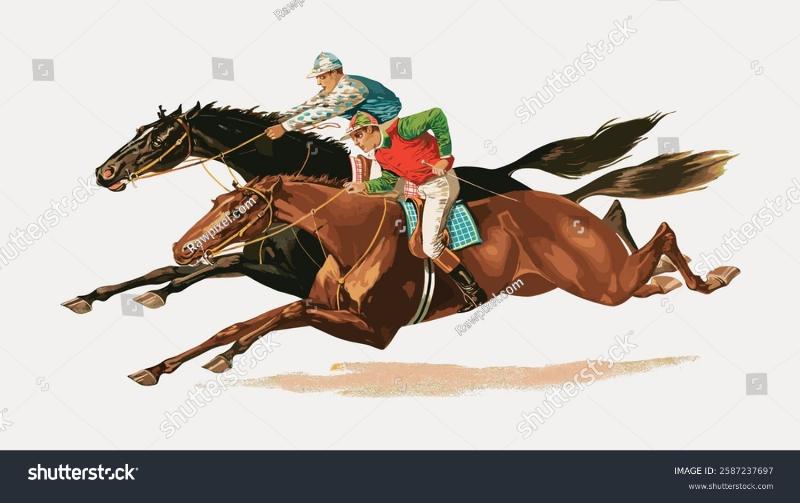
While the core of the horse racing jockey hats is the protective skull cap, the vibrant colors and patterns on the outside are what catch the spectator’s eye. These are helmet covers, which are part of the jockey’s “silks.” These silks represent the owner of the horse, with each owner having a unique set of colors and designs registered with the racing authorities.
This tradition adds a splash of pageantry to the sport, allowing fans to easily identify horses during a race. The helmet cover is stretched over the protective helmet, seamlessly integrating the demands of safety with the rich traditions of horse racing. This combination of heritage and safety is evident across the racing world, from local events to major circuits, and you can explore more of this culture by looking into horse racing franklin ky.
 Close-up profile of a focused jockey wearing a modern horse racing helmet with bright blue and white silks.
Choosing and Caring for Your Helmet
For riders, whether professional jockeys or amateur equestrians, selecting the right helmet is a critical decision. It’s an investment in your safety and well-being. The culture of safety is present at all levels of the sport, from the smallest local events to the major horse racing tracks in maryland.
How to Select the Right Helmet
- Check Certifications: Ensure the helmet meets the current safety standards required by your discipline’s governing body.
- Get the Right Fit: A helmet should be snug but not uncomfortably tight. It shouldn’t rock forward, backward, or side-to-side when you move your head. It’s highly recommended to be fitted by a trained professional.
- Consider Your Discipline: Jockeys use small, brimless skull caps to avoid any obstruction of vision and to prevent a brim from catching on anything during a fall. Eventers also favor this style for cross-country.
When should you replace a riding helmet?
Helmet materials degrade over time, even without an impact. It is recommended to replace your helmet every five years from the date of manufacture. Most importantly, you must replace your helmet after any fall in which you hit your head. The protective foam is designed to crush upon impact, and this damage is often invisible.
Frequently Asked Questions (FAQ)
What are horse racing jockey hats called?
They are most commonly called jockey helmets or skull caps. The term “hat” is generally avoided as it downplays their essential safety function.
Why do jockeys wear different colored hats?
Jockeys wear helmet covers that match their silks, which are the unique racing colors of the horse’s owner. This helps officials and spectators identify the horses during a race. This tradition is part of the sport’s visual appeal, much like the art inspired by it, such as the famous works of leroy neiman horse racing.
Are jockey helmets different from other equestrian helmets?
Yes. Jockey helmets are a type of skull cap, meaning they do not have a fixed brim. This design provides maximum visibility and reduces the risk of the brim catching on the ground or an obstacle during a fall, which could cause a neck injury.
How much does a jockey helmet cost?
Prices can vary widely based on the brand, materials, and technology. A certified, high-quality jockey helmet can range from approximately $150 to over $700 for models that include advanced features like MIPS technology.
Can I wear a used helmet?
It is strongly advised never to buy or wear a used helmet. You have no way of knowing its history, and it may have sustained a previous impact that has compromised its protective capabilities. Always invest in a new helmet.
How do I clean my jockey helmet?
Most helmets can be cleaned with a soft cloth and mild soap and water. The inner liners of many modern helmets are removable and washable. Avoid using harsh chemical solvents, as they can damage the helmet’s materials and compromise its structural integrity.
Conclusion
The evolution of horse racing jockey hats from simple fabric caps to scientifically engineered safety devices encapsulates the sport’s ongoing commitment to protecting its athletes. These helmets are a critical piece of equipment, blending life-saving technology with the vibrant traditions of the turf. For riders, they provide the confidence to push the limits of performance, knowing they are protected by the best technology available. For fans, they are a reminder that behind the thrilling spectacle of horse racing lies a deep and abiding respect for the safety and well-being of both horse and rider. Understanding their importance only deepens the appreciation for this incredible sport.
