
Have you ever wondered what the thundering sound of hooves racing down a track sounds like in another language? The world of Horse Racing In Spanish, or carreras de caballos, is a vibrant, passionate spectacle steeped in rich history and culture. It’s more than just a sport; it’s an event that combines aristocratic tradition with raw, modern energy, captivating audiences from the sun-drenched beaches of Andalusia to the grandstands of Madrid. Whether you’re a seasoned equestrian enthusiast or simply curious about this facet of Spanish culture, you’re in for an exciting ride. For those interested in the foundational aspects of equine sports, exploring topics like training bosal for horses can provide deeper insight into the tools of the trade.
This guide will take you through the heart of Spanish horse racing, exploring its most famous tracks, celebrated events, and the essential vocabulary you’ll need to feel like a local. We’ll uncover the unique traditions that make carreras de caballos a must-see experience.
The Heartbeat of Spanish Horse Racing: Major Hippodromes
Spain is home to several prestigious racecourses, known as hipódromos, each with its own unique character and history. These venues are the epicenters of the sport, hosting thrilling races and drawing crowds of enthusiasts.
Hipódromo de la Zarzuela: The Crown Jewel
Located in the capital city of Madrid, the Hipódromo de la Zarzuela is arguably the most important horse racing venue in Spain. Its iconic architecture and historical significance make it a national monument. Inaugurated in 1941, this track is renowned for hosting the most prestigious events in the Spanish racing calendar.
Key races held at Zarzuela include:
- Gran Premio de Madrid: This is the premier race in Spain, a highlight of the season that attracts top-tier horses, jockeys, and trainers from across Europe. It’s a test of stamina and speed, often called the “Spanish Derby.”
- Gran Criterium: A crucial race for two-year-old colts and fillies, it helps identify the future stars of Spanish racing.
- Villamejor: Another classic race that forms part of the Spanish Triple Crown.
The atmosphere at Zarzuela is a blend of high fashion and intense sporting passion, making it a social event as much as a racing one.
 The iconic grandstand of the Hipódromo de la Zarzuela in Madrid, a prime example of Spanish horse racing culture.
The Great Basque Racecourse: Hipódromo de San Sebastián
Nestled in the picturesque Basque Country, the Hipódromo de San Sebastián offers a unique racing experience with its stunning natural backdrop. It’s particularly famous for hosting the Copa de Oro (Gold Cup), one of Spain’s most coveted prizes. This race is a major highlight of the summer season and draws significant international attention, cementing San Sebastián’s place on the European racing map.
The Unique Charm of Sanlúcar de Barrameda’s Beach Races
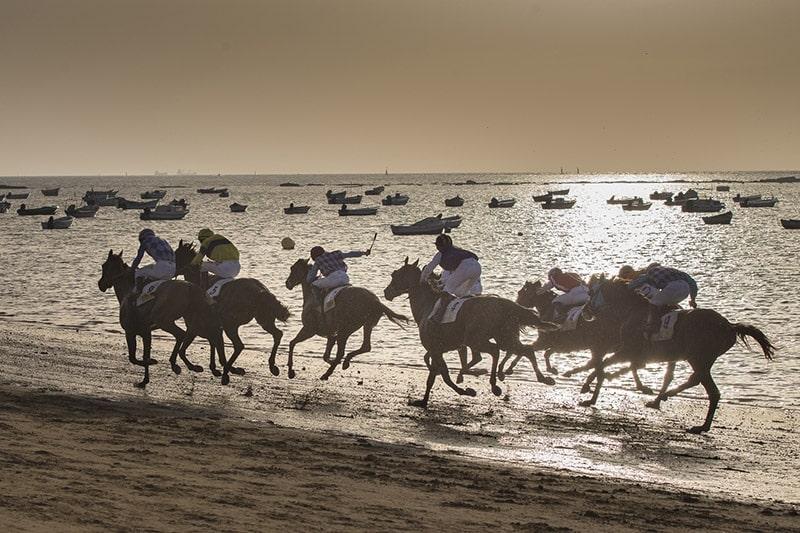
For a truly unforgettable experience, nothing compares to the horse races at Sanlúcar de Barrameda in Andalusia. Dating back to 1845, this event is one of the oldest in Europe and is declared a Festival of International Tourist Interest. What makes it so special? The races take place directly on the beach during the evening low tide, with the stunning sunset over the Atlantic Ocean as a backdrop. It’s a magical, almost surreal spectacle that perfectly captures the festive spirit of southern Spain. This historic event holds a place in equine history, much like the oldest horse racing track in america.
Speaking the Language: Essential Spanish Horse Racing Vocabulary
To truly immerse yourself in the world of carreras de caballos, knowing a few key terms is essential. This vocabulary will help you understand the commentary, read the racecard (el programa de carreras), and chat with fellow racegoers.
“Understanding the local terminology is the first step to truly appreciating the passion behind Spanish horse racing,” notes Dr. Alejandro Vega, a fictional expert in Iberian sports history. “It connects you to the culture on a deeper level.”
Here’s a quick guide to some common terms:
- Caballo: Horse
- Yegua: Mare (female horse)
- Potro / Potranca: Colt / Filly (young male/female horse)
- Jinete or Jockey: Jockey
- Entrenador: Trainer
- Cuadra: Stable (the team of owner, trainer, and horses)
- Pista: Track
- Meta: Finish line
- Ganador: Winner
- Apuesta: Bet
- Taquilla: Betting window
- Pronóstico: Forecast (predicting first and second place)
Using these terms will not only enhance your understanding but also show your respect for the local culture. You’ll find that a little effort to speak the language goes a long way.
Is Horse Racing Popular in Other Spanish-Speaking Countries?
While Spain has a well-established racing tradition, the sport also has a passionate following in parts of Latin America, though its popularity varies by country.
Horse Racing in Latin America
Countries like Argentina, Chile, Uruguay, and Peru have strong horse racing cultures with historic racecourses and prestigious events. The Gran Premio Carlos Pellegrini in Argentina is one of South America’s most important races, often attracting international competitors. Similarly, Chile’s El Ensayo is a classic race with a long and storied history. The culture and passion surrounding these events are comparable to what one might find at the alameda fairgrounds horse racing events in California, showcasing a universal love for the sport.
In Mexico, the Hipódromo de las Américas in Mexico City is a premier venue, keeping the tradition of the sport alive. While perhaps not as mainstream as in Spain, horse racing in these countries is a serious sport with dedicated fans and a high standard of breeding and competition.
The Cultural Significance of Horse Racing in Spain
Horse racing in Spain is more than just a sport; it is woven into the country’s cultural fabric. It reflects a history where horsemanship has been prized for centuries, from the famed Andalusian horses to the royal cavalry. Today, a day at the races is a social affair, a place to see and be seen, where families and friends gather to enjoy the thrill of the competition, the elegance of the horses, and the vibrant atmosphere.
Events like the races in Sanlúcar are deeply embedded in local traditions and festivals, showcasing a unique blend of sport and celebration that is distinctly Spanish. Whether you are placing a small bet, admiring the magnificent animals, or simply soaking in the electric atmosphere, you are participating in a living piece of Spanish heritage. The passion for equestrian excellence is a global phenomenon, with training centers all over the world, even in places like horse training vienna.
In conclusion, exploring horse racing in Spanish offers a fascinating window into a world of speed, elegance, and deep-rooted tradition. From the grand Hipódromo de la Zarzuela to the magical beach races of Sanlúcar, the sport provides an exhilarating experience that is uniquely Spanish and utterly unforgettable.
Frequently Asked Questions (FAQ)
What is “horse racing” in Spanish?
Horse racing is called carreras de caballos in Spanish. A single horse race is a carrera de caballos.
Where is the main horse racing track in Spain?
The most important horse racing track in Spain is the Hipódromo de la Zarzuela, located in Madrid. It hosts the country’s most prestigious races, including the Gran Premio de Madrid.
Are the horse races on the beach in Spain real?
Yes, they are very real and famous. The horse races in Sanlúcar de Barrameda are held annually on the beach during the low tide. It’s a historic event that has been celebrated since 1845 and is a major tourist attraction.
How do you say “jockey” in Spanish?
The word for jockey in Spanish is jinete. You might also hear the English word “jockey” used, as it is internationally recognized.
Is betting on horse races legal in Spain?
Yes, betting on horse races is legal and regulated in Spain. You can place bets (apuestas) at the betting windows (taquillas) at the racecourses.
