
New Jersey has a long and storied history with horse racing, a sport that has captivated audiences and offered thrilling entertainment for centuries. From the thunder of hooves on dirt tracks to the strategic prowess of jockeys and trainers, the Garden State has consistently played a significant role in the equestrian world. This legacy is built on a foundation of iconic venues, dedicated enthusiasts, and a continuous evolution that ensures its place in the state’s sporting and cultural landscape. The allure of Horse Racing In New Jersey is multifaceted, encompassing not just the excitement of the races themselves but also the intricate world of breeding, training, and the sheer passion that drives this enduring sport.
The Historical Roots of Racing in the Garden State
The history of horse racing in New Jersey dates back to the colonial era, with early informal races evolving into more organized events. Monmouth Park, one of the state’s most famous tracks, has a history stretching back to 1870, establishing it as a cornerstone of American thoroughbred racing. Over the decades, New Jersey has been a breeding ground for champions, both equine and human, contributing significantly to the sport’s broader narrative. The state’s strategic location and enthusiastic populace created a fertile environment for racing to flourish, attracting top talent and establishing traditions that continue to this day. The enduring presence of venues like Monmouth Park speaks to the deep-seated connection between New Jersey and the sport of kings.
Iconic Venues: Arenas of Equestrian Excellence
Monmouth Park Racetrack
Monmouth Park Racetrack, located in Oceanport, stands as a premier destination for horse racing enthusiasts. Renowned for its picturesque setting and world-class facilities, it hosts prestigious events that draw crowds from across the nation. The track is famous for its summer racing season, culminating in events like the Haskell Invitational Stakes, a Grade I race that often attracts top three-year-old colts and fillies. The atmosphere at Monmouth Park is electric, with the cheers of the crowd echoing as the horses thunder down the stretch. Its expansive grounds and diverse dining options further enhance the visitor experience, making it more than just a racetrack but a complete entertainment venue.
Meadowlands Racetrack
The Meadowlands Racetrack, situated in East Rutherford, has been another vital hub for horse racing in New Jersey, particularly for harness racing. Known as “The Big M,” it has hosted numerous high-profile harness racing events and has been instrumental in popularizing the sport. While thoroughbred racing has been a significant part of its history, the Meadowlands has also been a leader in innovation, embracing technology and new fan engagement strategies. Its large seating capacity and vibrant nightlife options have made it a multifaceted entertainment complex, drawing in a diverse audience beyond traditional racing fans. The Meadowlands Racetrack continues to be a significant player in the state’s racing scene, adapting to changing times while honoring its rich heritage.
The Thrill of the Race: Understanding the Spectacle
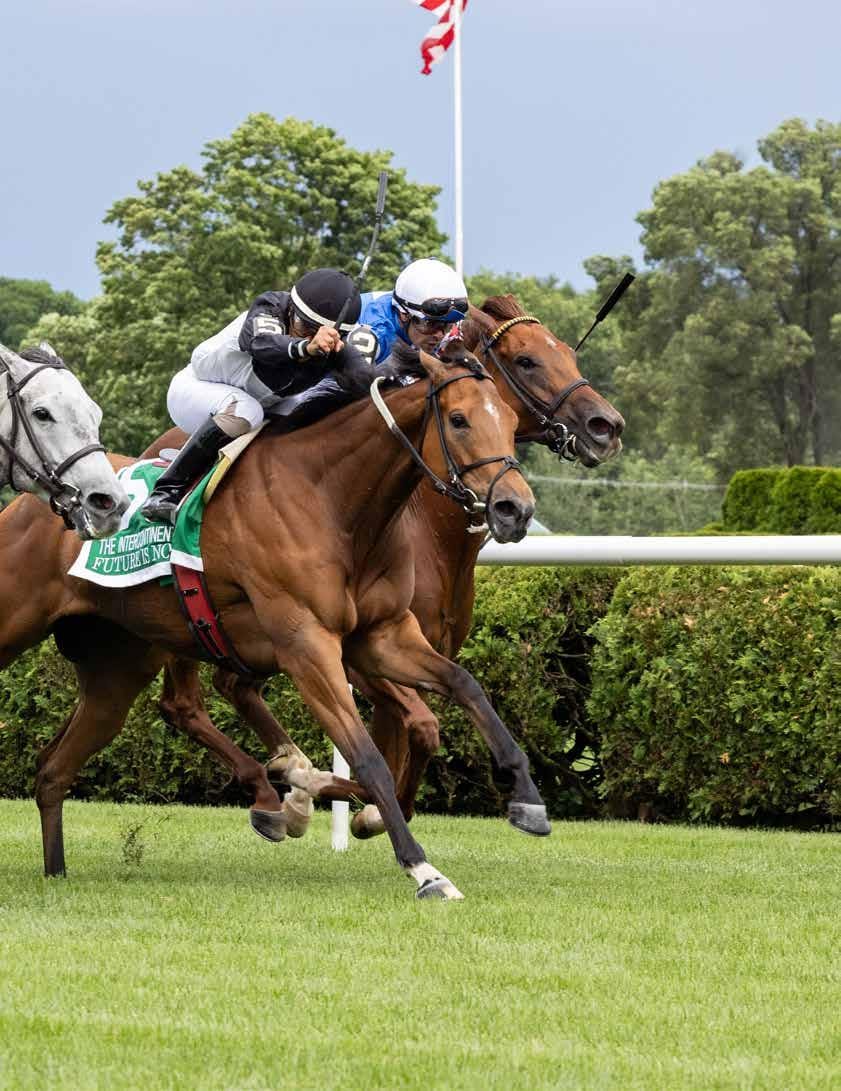
Horse racing is more than just a display of speed; it’s a complex interplay of athleticism, strategy, and chance. The excitement builds from the grandstand as horses parade before the race, allowing spectators to observe their condition and temperament. Jockeys, perched atop their mounts, display incredible skill and courage, guiding their horses through the intense competition. The thunder of hooves, the vibrant silks of the riders, and the roar of the crowd create an unforgettable sensory experience.
Thoroughbred vs. Harness Racing
New Jersey hosts both thoroughbred and harness racing, each offering a distinct spectacle. Thoroughbred racing involves riders on the horses’ backs, emphasizing pure speed and endurance over distances typically ranging from sprints to longer races. Harness racing, on the other hand, features horses pulling a two-wheeled cart (a sulky) driven by a driver. The horses in harness racing employ either a trotting or pacing gait, requiring a different kind of athleticism and technique. Both forms of racing have dedicated followings and contribute to the rich tapestry of equestrian sports in the state.
Breeding and Training: The Foundation of Success
The success of horse racing in New Jersey is deeply intertwined with its robust breeding and training programs. The state has a long history of producing high-quality thoroughbreds and Standardbreds, with farms dedicated to nurturing these magnificent animals from birth. Trainers play a crucial role, employing specialized knowledge and techniques to prepare horses for the demands of racing. This involves meticulous attention to diet, exercise, veterinary care, and understanding each horse’s unique physical and mental characteristics. The dedication of breeders and trainers forms the bedrock upon which racing excellence is built.
Impact on the New Jersey Economy and Culture
Horse racing has a significant economic impact on New Jersey, generating revenue through ticketing, wagering, hospitality, and employment. The industry supports a wide range of jobs, from jockeys and trainers to track maintenance staff, veterinarians, and hospitality workers. Beyond the economic contributions, horse racing is woven into the cultural fabric of the state. It evokes a sense of tradition, excitement, and community, bringing people together for shared experiences. Events like the Haskell Invitational Stakes become major social gatherings, attracting local and international attention. The ongoing evolution of racing, including the integration of advanced technologies and marketing strategies, ensures its continued relevance and appeal. To understand more about the broader context of horse racing in the United States, exploring states with horse racing can offer valuable insights into regional differences and similarities.
The Future of Horse Racing in New Jersey
The landscape of horse racing is continually evolving, and New Jersey is adapting to meet new challenges and opportunities. Discussions around expanding gaming options and improving infrastructure are ongoing, aiming to secure the long-term viability of the sport. Innovation in areas such as simulcasting, international racing integration, and fan engagement through digital platforms are key to attracting new audiences. The commitment to animal welfare and ethical racing practices remains paramount, ensuring that the sport progresses responsibly. The deep-seated passion for horse racing in New Jersey, combined with a forward-looking approach, suggests a bright future for this beloved tradition. As the industry adapts, understanding figures like nick surick horse trainer can provide context on the expertise driving modern training methods.
Frequently Asked Questions (FAQ)
Q1: What is the most famous horse race in New Jersey?
A1: The Haskell Invitational Stakes, held annually at Monmouth Park, is widely considered the most prestigious thoroughbred race in New Jersey, attracting top horses and international attention.
Q2: Can you bet on horse races in New Jersey?
A2: Yes, wagering on horse races is legal in New Jersey at licensed racetracks and through authorized online platforms and simulcasting facilities.
Q3: What is the difference between thoroughbred and harness racing?
A3: Thoroughbred racing involves jockeys riding horses directly, focusing on speed. Harness racing features horses pulling sulkies with drivers, with horses either trotting or pacing.
Q4: Are there any famous horse racing families in New Jersey?
A4: While specific families might be prominent in certain eras, New Jersey has a rich history of horsemen and women, with many families dedicating generations to the sport, contributing to its enduring legacy. For instance, exploring figures like john stewart horse racing wife can offer glimpses into the personal connections within the sport.
Q5: How does New Jersey’s horse racing industry contribute to the economy?
A5: The industry generates significant revenue through racing, pari-mutuel wagering, tourism, and employment, supporting various sectors and creating numerous jobs within the state.
Q6: What are the main breeds of horses raced in New Jersey?
A6: The primary breeds are Thoroughbreds for racing at tracks like Monmouth Park, and Standardbreds for harness racing at venues like the Meadowlands.
Q7: Where can I find information on upcoming horse races in New Jersey?
A7: Information on upcoming races, schedules, and tickets can typically be found on the official websites of Monmouth Park and Meadowlands Racetrack, as well as through various horse racing news outlets that cover horse racing in nj.
In conclusion, horse racing in New Jersey is a vibrant and dynamic industry with deep historical roots and a promising future. From the iconic tracks to the dedicated individuals who make the sport possible, the Garden State continues to be a significant force in the world of equestrian sports. The thrill of the race, the dedication to breeding and training, and the economic and cultural contributions all underscore the importance of this enduring legacy. Whether you are a seasoned fan or a newcomer, the world of horse racing in New Jersey offers an exciting and engaging experience. The blend of tradition and innovation ensures that the thunder of hooves will continue to echo across the state for generations to come. This enduring passion is perhaps best exemplified by the specialized niche of horse and cart racing, showcasing the diverse ways horses and humans have competed throughout history.
