
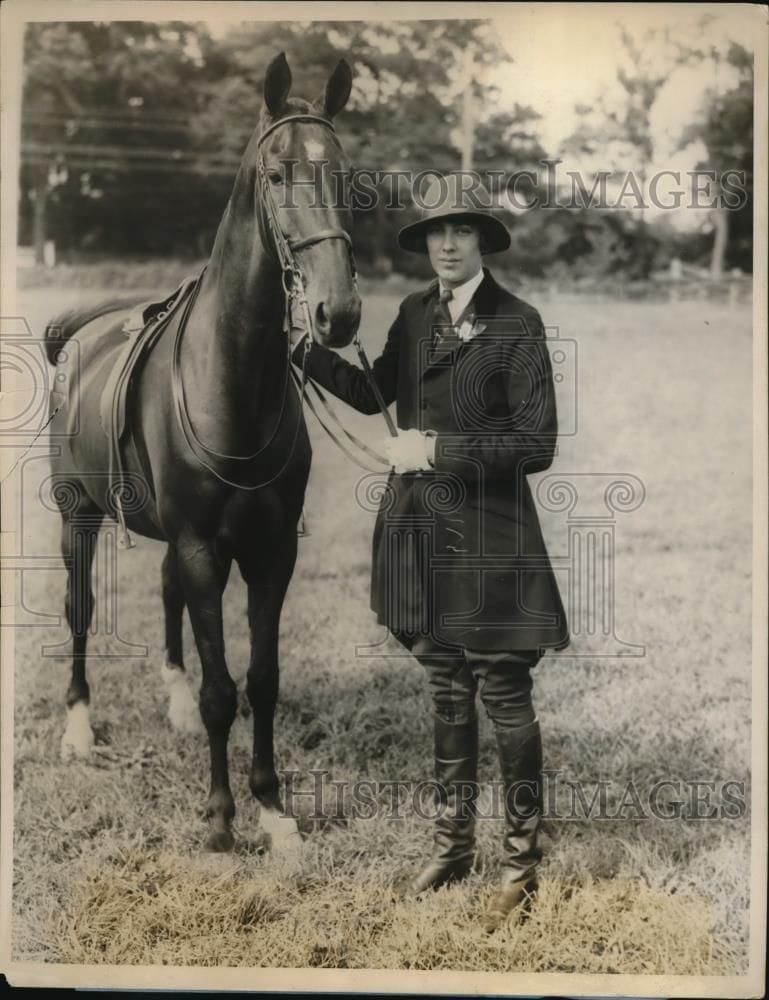
The Roaring Twenties was a decade of unprecedented social and cultural change, and the world of horse racing was no exception. It was an era where the thundering hooves on the track echoed the dynamism of the times, blending high society glamour with the raw grit of the sport. This period saw significant developments in breeding, training, and the very spectacle of racing, solidifying its place as a premier entertainment and a symbol of the era’s exuberance. The allure of the turf transcended social strata, drawing in everyone from the aristocracy to the common man, all captivated by the power, speed, and unpredictable drama of the race.
The Golden Age of Racing: Setting the Stage
The 1920s is often considered a golden age for horse racing in many parts of the world, particularly in the United States and Europe. Following the disruptions of World War I, the sport surged back with renewed vigor. This resurgence was fueled by a burgeoning economy, increased leisure time for many, and a public appetite for spectacle and excitement. Horse racing offered a perfect confluence of these elements, providing a thrilling escape and a stage for celebrated equine athletes and their ambitious connections. The infrastructure of racing also saw improvements, with tracks becoming more elaborate and spectator-friendly. This era laid much of the groundwork for the sophisticated racing industry we see today, establishing many of the traditions and values that continue to define the sport.
Iconic Figures and Legendary Thoroughbreds
The decade produced a constellation of stars, both human and equine. Legendary jockeys became household names, their daring rides and tactical brilliance captivating audiences. Figures like Earl Sande, the “King of the Kentucky Derby,” dominated headlines with his multiple victories in America’s most prestigious race. On the breeding and ownership front, influential figures continued to shape the future of the Thoroughbred breed.
However, the true icons were the horses themselves. These magnificent animals captured the public’s imagination, becoming symbols of speed, endurance, and the unyielding spirit of competition. While specific horses might vary in prominence depending on the region, the general narrative of powerful, beautifully bred Thoroughbreds achieving legendary status was universal. Their performances were meticulously documented, and their racing pedigrees were scrutinized by breeders aiming to replicate their success, ensuring their legacy extended far beyond their racing careers.
The Spectacle of the Race: Fashion, Betting, and Crowds
Attending a horse race in the 1920s was a social event as much as a sporting one. For the well-heeled, it was an opportunity to showcase the latest fashions. Women donned elegant dresses, wide-brimmed hats adorned with feathers and flowers, and sophisticated accessories, embodying the flapper spirit. Men were equally dapper in suits and fedoras. The racecourse was a runway, a place to see and be seen, reflecting the era’s emphasis on style and social presentation.
Betting was an integral part of the racing experience, adding an extra layer of excitement and engagement for spectators. Pari-mutuel betting systems, which had been gaining traction, became more widespread, allowing for a more organized and transparent way for the public to wager on their favorites. The thrill of a potential win, however small, drew people deeper into the drama unfolding on the track.
The crowds themselves were a spectacle. Racecourses like Churchill Downs, Belmont Park, and Saratoga in the US, and Ascot and Epsom in the UK, drew tens of thousands of enthusiastic fans. The roar of the crowd, the anticipation before the start, and the collective exhalation as the horses thundered past the finish line created an electric atmosphere that was unique to the era. This shared experience fostered a sense of community and collective excitement, uniting diverse groups of people under the banner of sport.
Innovations and Evolution in Horse Racing
The 1920s also witnessed significant evolution within the sport itself. Advances in veterinary science led to better care and understanding of equine health, allowing horses to race longer and perform at higher levels. Training methodologies continued to refine, with a greater emphasis on understanding equine physiology and psychology.
The breeding industry also saw innovation. Breeders focused on scientifically developing bloodlines, meticulously tracking pedigrees to produce horses with the desired traits of speed and stamina. This era was crucial in establishing the modern Thoroughbred as we know it today, with a deep understanding of genetics playing an increasingly important role. The development of specialized racing programs and stakes races further refined the competitive landscape, encouraging owners and trainers to invest in top-tier breeding and training.
The Influence of Horse Racing on Culture and Society
Horse racing in the 1920s was more than just a sport; it was deeply woven into the cultural fabric of the time. It inspired literature, art, and film, often romanticizing the speed, danger, and social milieu associated with the turf. Stories and films frequently featured tales of underdog horses, determined jockeys, and the high-stakes world of racing, capturing the public’s imagination.
Furthermore, the economic impact of horse racing was substantial. It generated employment, supported breeding farms, and stimulated related industries. The races were major social gatherings that brought people together, fostering a sense of national identity and shared cultural experience. The sport’s ability to capture the public’s attention underscored its significance as a major form of popular entertainment and a reflection of the era’s spirit. The glamour associated with horse racing hats for women and the fashion of the time further cemented its cultural relevance.
Challenges and Controversies
Despite its glittering image, horse racing in the 1920s was not without its challenges and controversies. Issues such as race-fixing, the ethics of animal welfare, and the potential for addiction related to gambling were ongoing concerns. While the sport strived for a veneer of respectability, these underlying issues occasionally surfaced, prompting discussions about regulation and integrity within the industry. The dark side of the betting world, including illegal bookmaking and potential scandals, was a constant shadow that the sport had to contend with. Ensuring fair play and safeguarding the welfare of the magnificent animals involved were paramount, though not always perfectly achieved. The historical context of horse racing in 1920s reveals a complex interplay of celebration and concern.
Legacy of the Roaring Twenties in Racing
The legacy of horse racing in the 1920s is profound. The decade set new standards for performance, breeding, and the overall presentation of the sport. Many of the fundamental structures, from major racing events to the breeding philosophies, established during this time continue to influence horse racing tracks in the usa and across the globe. The spirit of innovation, the blend of high society and raw competition, and the enduring appeal of the equine athlete all find their roots in this vibrant era. The echoes of the Roaring Twenties can still be heard on the racetrack today, a testament to its lasting impact on the world of horse racing. Understanding the trends of this period, much like appreciating a horse racing game vintage, offers a valuable perspective on the sport’s evolution. Even discussions about specific venues like horse racing fort worth can be contextualized by the broader developments of the era.
Conclusion: A Defining Chapter
The 1920s was a transformative decade for horse racing, characterized by its unique blend of glamour, athletic prowess, and cultural significance. It was a period that celebrated the speed and beauty of Thoroughbreds, the skill of jockeys, and the excitement of the race day spectacle. The innovations in breeding, training, and the racing industry laid a robust foundation for the future. As we look back, the Roaring Twenties stands out as a pivotal era, a time when horse racing truly galloped into the modern age, leaving an indelible mark on sporting history and popular culture.
