
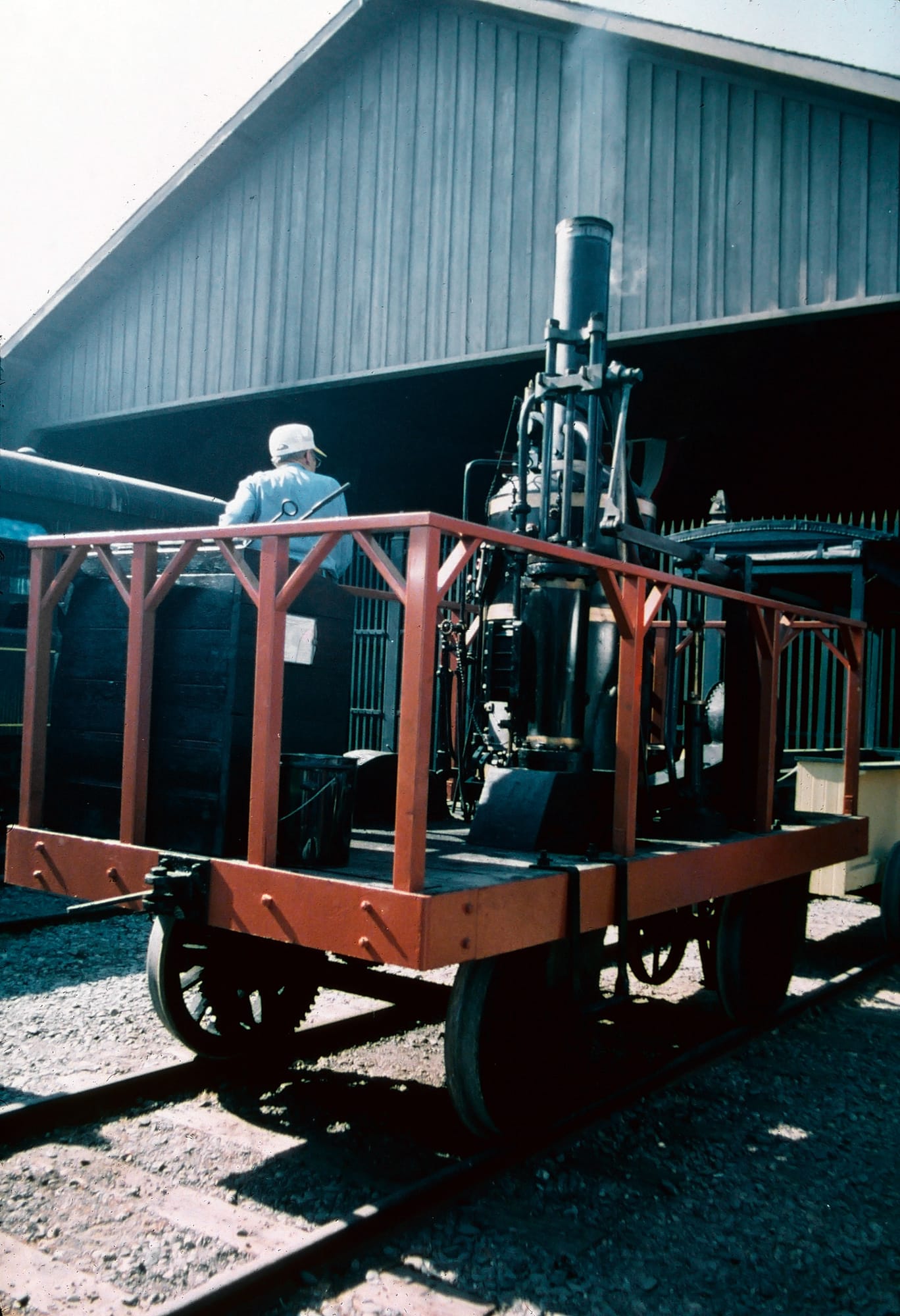
The rhythmic clatter of hooves on gravel, the gentle puff of steam, and the immense power of equine muscle working in tandem with mechanical ingenuity – this is the evocative image of the horse-powered train. While modern transportation has long since left these fascinating feats of engineering in the annals of history, the concept of a horse-powered train represents a pivotal moment in transportation development, bridging the gap between human-powered carts and the age of steam and diesel. It was a time when the strength and endurance of horses were harnessed to pull carriages along fixed rails, offering a more efficient and consistent mode of transport than ever before.
The Genesis of Rail Travel: Early Innovations
Before the advent of the steam engine, the need for more efficient methods of transporting goods and people was palpable. Roads were often poorly maintained, making wheeled transport slow and arduous. The development of smoother, more consistent pathways, which evolved into rails, offered a solution. Initially, these rails were used for carts in mines and quarries, where gravity or simple pulling mechanisms sufficed. The idea of using horses to pull these carts along these rudimentary tracks soon followed.
The earliest forms of “railways” were little more than wooden or iron grooves laid into the ground, designed to guide the wheels of carts and reduce friction. Horses, being the most powerful and readily available source of motive force at the time, were the natural choice to pull these loaded vehicles. This was particularly transformative in industries like coal mining, where vast quantities of heavy materials needed to be moved from the mine face to the surface or to canals for further transport.
Harnessing Equine Power: Design and Functionality
The design of horse-powered trains varied, but the core principle remained consistent: using a team of horses to pull carriages along a fixed track. These tracks could be simple wooden beams, iron rails, or later, the more sophisticated cast-iron or wrought-iron rails that characterized early railways.
The carriages themselves were often robust and functional, built to withstand the loads they carried. They could range from simple wagons for goods to more elaborate passenger coaches, especially on early inter-city lines. The horses were typically harnessed to the front of the train, often with a lead horse and a team following, connected by shafts or drawbars. The number of horses employed would depend on the weight of the load and the gradient of the track. A well-trained team, guided by a skilled driver, could achieve remarkable efficiency, covering greater distances with heavier loads than was possible with traditional road transport.
The Role of the Driver and the Horses
The driver, often called a “hauler” or “driver,” played a crucial role. They not only guided the horses but also managed the speed of the train, using brakes to control descents and ensuring the horses maintained a steady pace on level ground. The horses themselves needed to be strong, docile, and well-trained to work in unison, often for long hours. Their welfare was paramount, as their health and endurance were directly linked to the success of the operation. Many early railway companies established stables and veterinary care to ensure their equine workforces were in prime condition.
Key Applications and Impact
The horse-powered train found its most significant applications in several key areas:
- Mining and Industry: As mentioned, coal mines and ironworks were early adopters. Horses efficiently moved raw materials and finished products, drastically increasing output.
- Canal Towpaths: While not strictly trains, the concept of horses pulling barges along towpaths alongside canals shares a similar principle of utilizing equine power for efficient transport. Some early railway lines were even developed to bypass congested canals or to connect mines directly to waterways.
- Early Passenger and Freight Lines: As railways evolved, horse-drawn carriages began to be used for public transport and freight services. These lines connected towns and cities before the widespread adoption of steam locomotives. They offered a faster and more reliable alternative to stagecoaches and wagons. The experience of traveling on such a train was often described as smooth and surprisingly comfortable, especially compared to bumpy road journeys. For those interested in the nuances of early railway development, exploring resources on horse pulling train can offer deeper insights.
The impact of the horse-powered train, though often overshadowed by the subsequent revolution of steam, was profound. It laid the groundwork for the railway age by demonstrating the viability of fixed tracks for transportation. It also spurred innovations in rail construction, carriage design, and the management of large-scale transport operations. The experience of Clinton Anderson horse trainer biography might offer parallels in the structured training and management required for both horses and early transport systems.
The Transition to Steam and the End of an Era
The rise of the steam locomotive in the early 19th century marked the beginning of the end for the horse-powered train. Steam engines offered vastly superior power, speed, and capacity, capable of pulling much heavier loads over longer distances without tiring. The Stockton and Darlington Railway, opened in 1825, is often cited as the world’s first public steam railway, although it initially used horses for some services. The Liverpool and Manchester Railway, opened in 1830, was designed from the outset for steam power.
Despite the undeniable advantages of steam, the transition was not instantaneous. For certain niche applications, such as short, low-traffic lines, or in areas where water for steam engines was scarce, horse-drawn railways persisted well into the latter half of the 19th century and even into the early 20th century in some remote locations. Some operations even experimented with dual systems, using horses for shunting and lighter loads and steam for main-line haulage. The legacy of early horse trainers like David Vance horse trainer and Tim Anderson horse training reviews indirectly contributed to the well-trained equine power that made these early systems feasible.
The Enduring Legacy of the Horse-Powered Train
Today, the horse-powered train exists as a fascinating relic of transportation history. It serves as a powerful reminder of human ingenuity and the integral role that horses played in shaping our world. These early railways were not just a means of transport; they were a testament to the synergistic relationship between humans and animals, a partnership that drove progress and laid the foundation for the modern transportation networks we rely on today. Studying the evolution of these systems, from simple mine carts to more complex networks, offers a unique perspective on the challenges and triumphs of early industrialization. The careful selection and training of horses, akin to the detailed work in fresno horse racing results on a different track, were critical to their success.
The story of the horse-powered train is one of innovation, adaptation, and the relentless pursuit of efficiency. It highlights a period when the familiar strength of the horse was expertly applied to new technologies, paving the way for the dramatic advancements that would soon follow. While no longer in operation, the image of a horse-powered train remains a potent symbol of a bygone era, a nostalgic glimpse into the foundational steps of our modern railway systems.
