
Welcome to Equine Excellence, where we delve into the core of horsemanship. Today, we’re exploring a discipline that has revolutionized how we care for our equine partners: Horse Physio Training. This isn’t just about recovering from injury; it’s a proactive approach to enhancing performance, preventing issues before they start, and ensuring your horse lives a comfortable, mobile life. Think of it as the essential toolkit for unlocking your horse’s full physical potential, blending science-backed techniques with intuitive horsemanship to create a stronger, more resilient athlete. It’s a cornerstone of modern equine management that every dedicated owner should understand. For those passionate about the professional side of equine care, understanding these principles is a key step if you want to become a professional horse trainer.
The Science Behind Equine Physiotherapy
At its heart, horse physio training is a science-based, hands-on field dedicated to improving a horse’s movement, strength, posture, and overall comfort. It’s not a single technique but a holistic approach that draws from veterinary medicine, biomechanics, and neurology, all adapted specifically for the equine body. A qualified physiotherapist looks beyond the symptoms to understand the root cause of an issue, assessing how the horse’s entire musculoskeletal system works together.
The primary goal is to restore and optimize functional movement. Whether it’s the subtle mechanics of a dressage movement or the powerful extension of a show jumper, every action relies on a complex interplay of muscles, joints, and nerves. Physiotherapy ensures this system is working harmoniously, free from pain, tension, or restriction.
Key Benefits of Horse Physio Training
Integrating physiotherapy into your horse’s routine offers a wealth of advantages that go far beyond simple muscle soreness relief. It’s an investment in their long-term health and happiness.
- Enhanced Performance and Flexibility: Regular sessions improve a horse’s range of motion, allowing for more fluid, powerful, and expressive movements.
- Effective Injury Prevention: By identifying and addressing minor imbalances, muscle tightness, or weaknesses, physio strengthens vulnerable areas and significantly reduces the risk of strains, sprains, and other common injuries.
- Accelerated Rehabilitation: For horses recovering from surgery or injury, a guided physio program is critical. It helps rebuild muscle safely, prevents the formation of restrictive scar tissue, and manages compensatory patterns that can lead to future problems.
- Pain Management and Improved Welfare: Techniques like massage and targeted exercises provide effective, non-invasive pain relief for chronic conditions like arthritis, ensuring a better quality of life. The ethical treatment of equine athletes is paramount, a topic that has parallels in discussions about cruelty in horse racing, reinforcing the need for welfare-focused practices.
- Stronger Core and Better Posture: A strong core is the foundation of a healthy horse. Physio exercises are designed to engage and strengthen the deep postural muscles that support the spine, leading to better balance and self-carriage.
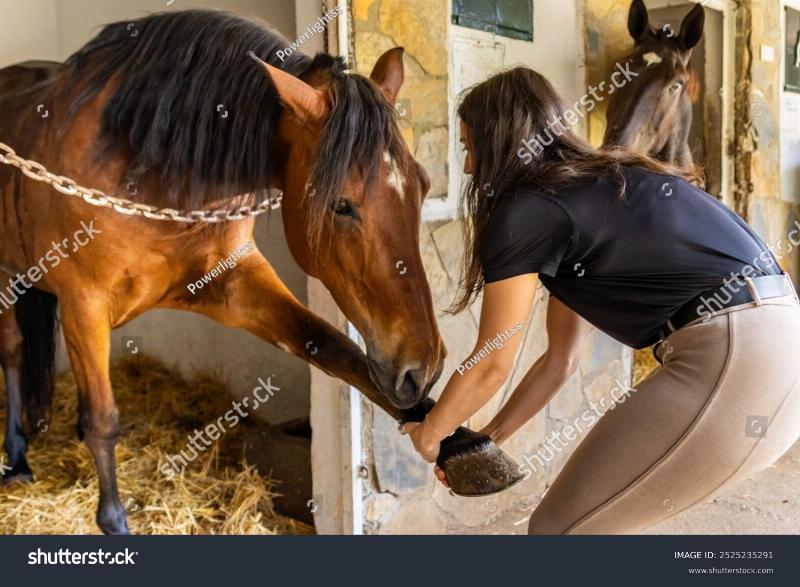 A close-up shot of a bay horse performing a carrot stretch as part of its horse physio training, demonstrating flexibility.
Common Techniques Used by Equine Physios
An equine physiotherapist has a diverse toolkit to draw from, and a treatment plan will always be tailored to the individual horse’s needs. While every practitioner, like the renowned brian ellison horse trainer, has their unique approach, some of the most common and effective techniques include:
Manual and Soft Tissue Therapies
This is the hands-on part of physiotherapy. It involves a range of techniques aimed at releasing tension and improving tissue health.
- Massage: More than just a relaxing rubdown, therapeutic massage targets specific muscle groups to release spasms, improve circulation, and enhance muscle function.
- Myofascial Release: This technique focuses on the fascia, the web of connective tissue that surrounds muscles. Releasing restrictions here can have profound effects on movement and comfort.
- Joint Mobilizations: These are gentle, controlled movements of specific joints performed by the therapist to restore full range of motion and reduce stiffness.
Therapeutic Exercises
Physio isn’t passive; it’s an active process of re-education for the horse’s body.
- Stretching: Both static (held) and dynamic (movement-based) stretches are used to lengthen tight muscles and improve flexibility. A classic example is the “carrot stretch,” which encourages the horse to engage its core while stretching its neck.
- Groundwork and Pole Work: Using poles on the ground (cavaletti) is a fantastic low-impact way to improve proprioception (the horse’s awareness of its body in space), encourage correct limb placement, and build strength.
As Dr. Eleanor Vance, a leading specialist in equine sports medicine, often says, “Physiotherapy gives the horse a voice. It allows them to show us where they’re struggling before it becomes a lame step. It’s the most proactive conversation you can have about your horse’s well-being.”
Advanced Modalities
Many therapists also use specialized equipment to enhance their treatments. This can include laser therapy to reduce inflammation, pulsed electromagnetic field (PEMF) therapy to support cellular repair, or therapeutic ultrasound.
How Do You Know if Your Horse Needs Physio?
While physio is beneficial for any horse, there are specific signs that indicate your horse would particularly benefit from an assessment. Horses are masters of hiding pain, so it’s up to us to notice the subtle clues.
Here’s a quick checklist of things to watch for:
- A noticeable drop or change in performance.
- Reluctance or difficulty with certain movements (e.g., picking up the correct canter lead, bending one way).
- Behavioral changes like bucking, rearing, or general irritability under saddle.
- Uneven muscle development or visible muscle wastage.
- Stiffness, a shortened stride, or an unwillingness to go forward.
- Sensitivity to grooming or touch in specific areas.
- Any horse on stall rest or recovering from an injury or surgery.
Choosing a Qualified Professional
The field of equine therapy is growing, and it is absolutely crucial to work with a fully qualified and insured professional. Look for an equine physiotherapist who is registered with a reputable governing body. These professionals have undergone extensive training in anatomy, physiology, and biomechanics.
A key part of their role is working collaboratively with your veterinarian. A vet’s job is to provide a diagnosis, while the physiotherapist’s job is to focus on the functional rehabilitation and management of the musculoskeletal system post-diagnosis. This team approach ensures your horse receives comprehensive care. This commitment to professional standards is something every aspiring henry horse trainer should admire and emulate.
The Owner’s Role in a Physio Program
A physiotherapist might see your horse for an hour every few weeks, but you are with your horse every day. Your involvement is the key to success. A crucial part of any horse physio training plan is the home exercise program (HEP) prescribed by the therapist.
This program typically consists of simple stretches, groundwork exercises, or specific ridden work designed to reinforce the benefits of the treatment session. Committing to this homework is not just a chore; it’s an incredible opportunity to connect with your horse on a new level. It allows you to become more attuned to their way of going, helping you spot asymmetries or weaknesses before they escalate. It transforms your role from just a rider or owner to a true partner in your horse’s physical well-being.
Frequently Asked Questions (FAQ) about Horse Physio Training
1. How often should my horse have a physio session?
For a horse in regular work without specific issues, a maintenance check-up every 3-6 months is often recommended. Horses in high-level competition or those with chronic conditions may benefit from more frequent sessions, as advised by your therapist.
2. Is horse physio just for sport horses?
Not at all! All horses, from pasture companions and trail horses to elite athletes, can benefit. Physiotherapy helps manage age-related stiffness in older horses, supports the development of young horses, and keeps pleasure horses comfortable and happy in their work.
3. What’s the difference between physiotherapy and chiropractic?
While there is some overlap, they are different disciplines. Physiotherapists primarily focus on soft tissues (muscles, tendons, ligaments) and functional movement patterns, often using exercises as a core part of rehabilitation. Chiropractors traditionally focus on the nervous system and spinal alignment, using high-velocity adjustments. Many modern practitioners integrate techniques from multiple disciplines.
4. Can physiotherapy help with behavioral problems?
Yes, very often. Many behaviors labeled as “naughty,” such as bucking, napping, or resisting the bit, are actually expressions of pain or physical restriction. By addressing the underlying discomfort, physiotherapy can lead to significant improvements in a horse’s behavior and willingness to work.
5. Do I need a vet’s permission for my horse to see a physio?
In most regions, maintenance care on a healthy horse does not require veterinary referral. However, if the horse has an underlying medical condition, is lame, or is recovering from an injury, the physiotherapist is legally required to obtain veterinary consent before starting treatment. This ensures a safe and collaborative approach.
Conclusion
Horse physio training is an essential element of proactive and compassionate horsemanship. It empowers us to move beyond simply reacting to injuries and instead focus on building stronger, more balanced, and more comfortable equine partners from the ground up. By listening to what our horses’ bodies are telling us and enlisting the help of qualified professionals, we can enhance their performance, improve their quality of life, and strengthen the incredible bond we share. Embracing the principles of horse physio training is a commitment to the long-term health and happiness of your equine companion.
