
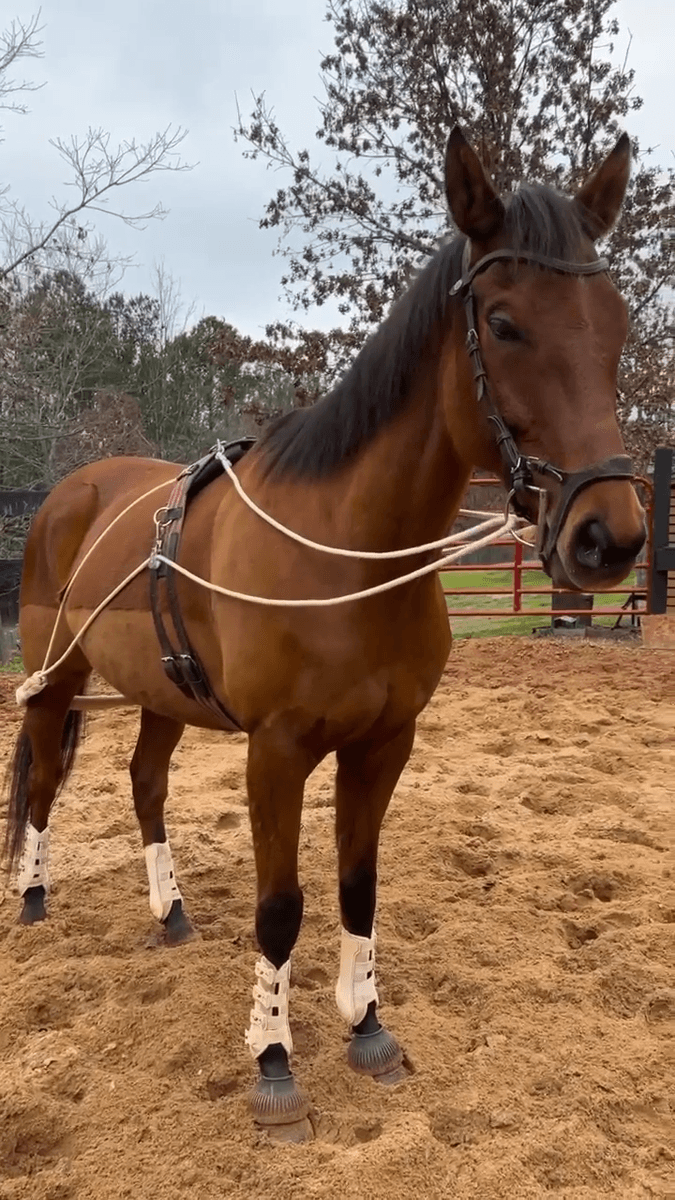
The world of equestrian training is filled with a vast array of tools and systems designed to help develop a horse’s physique and way of going. Among the most well-known, and perhaps most debated, is the Horse Pessoa Training System. This intricate network of ropes, pulleys, and straps can seem intimidating at first glance, but it was designed with a specific purpose: to encourage the horse to work in a correct frame, engage its hindquarters, and build a strong, supportive topline. Understanding how to use this tool properly is key to unlocking its benefits while ensuring the horse’s welfare remains the top priority. To better understand the nuances of this equipment, many trainers consult detailed guides on the pessoa horse training system to ensure they apply it correctly.
The Creator: Nelson Pessoa
Before diving into the mechanics, it’s important to know the mind behind the invention. Nelson “Neco” Pessoa, a world-renowned Brazilian show jumper, developed this system. Known for his incredible feel and horsemanship, Pessoa sought a way to help horses develop the specific muscles needed for collection and carrying power without the weight of a rider. The system was born from a deep understanding of equine biomechanics and the demands of high-level athletic performance.
How Does the Pessoa Training System Work?
The Pessoa system is essentially a sophisticated lunging aid that connects the horse’s hindquarters, poll, and bit back to a lunging surcingle. It works as a closed circuit, creating gentle, consistent communication that guides the horse’s body into a more efficient posture.
The key components include:
- A padded breech strap that sits below the horse’s quarters.
- A series of ropes that run from the breech strap, through rings on the surcingle, up to a pulley at the poll, down through the bit rings, and back to the surcingle.
- A lunging surcingle with multiple rings to allow for adjustments.
When the horse moves forward, the forward swing of the hind leg creates a gentle tension on the corresponding rope. This tension travels through the pulley system, applying soft pressure to the poll and bit, which asks the horse to lower its head and soften its jaw. As the horse lowers its head, it naturally lifts its back and engages its abdominal muscles, allowing the hind legs to step further underneath its body. This action is the foundation of collection and building a powerful topline.
The Core Benefits: Building Topline and Engagement
When used correctly and sparingly, the Pessoa system can offer significant benefits for a horse’s physical development. It’s a tool for conditioning, not a shortcut for training.
Muscle Development
The primary benefit is the development of the “long and low” frame. This encourages the horse to stretch its back, lift its thoracic sling, and engage its core abdominal muscles. Over time, this helps build the crucial topline muscles (the muscles running along the spine) and strengthens the hindquarters.
Improved Balance and Rhythm
By encouraging the horse to work from behind into a soft contact, the system helps improve the horse’s natural balance and rhythm. The horse learns to carry itself more effectively, moving with a more consistent and elastic gait, which is especially beneficial for horses that tend to be heavy on the forehand.
A Tool for Rehabilitation
Under veterinary or physiotherapy guidance, the Pessoa system can be used as part of a rehabilitation program for certain back-related issues. By encouraging the horse to use its body correctly without the stress of a rider’s weight, it can help rebuild muscle in a controlled manner.
A Step-by-Step Guide to Using the Pessoa System
Proper fitting and introduction are non-negotiable for the horse’s safety and the system’s effectiveness. Rushing the process can lead to fear, resistance, and potential injury.
Familiarization First: Before attaching all the ropes, lunge your horse with just the surcingle and the breech strap. Let him get used to the feeling of the strap moving gently against his hind legs. Keep the session short and positive.
Achieve the Right Fit: The surcingle should be snug but not tight. The breech strap should sit just below the point of the buttock, loose enough that you can fit a hand’s width between the strap and the horse at rest. If it’s too low, it will be ineffective; if it’s too high, it will be uncomfortable.
Choose Your Setting: The Pessoa system has several settings for different levels of work. Always start with the lowest setting, which encourages a long, low stretch. The ropes should run from the breech strap, through the lower rings on the surcingle, to the bit, and back to a middle ring on the surcingle.
Start the Session: Begin in walk on a large circle. Let the horse figure out the feel of the system. He may over-react at first, which is why a controlled, calm environment is essential. Keep the walk sessions short (5-7 minutes each way) for the first few times.
Progress to Trot: Once the horse is relaxed in the walk, ask for a trot. This is where the system truly engages. The horse should naturally lower his head and begin to lift his back. Keep the trot work brief, perhaps 5-10 minutes per side, interspersed with walk breaks. Canter work is only for advanced, well-conditioned horses.
Monitor Closely: Watch your horse’s reaction. Signs of fatigue or distress include a high head carriage, tail swishing, or trying to run from the pressure. The goal is a relaxed, swinging back and a soft, rhythmic stride. A total session should not exceed 20-30 minutes.
The Great Debate: Is the Pessoa System Right for Your Horse?
The Pessoa system is a controversial piece of equipment. Proponents praise its ability to efficiently build muscle and improve a horse’s way of going. They see it as a valuable conditioning tool that simulates the effect of a skilled rider.
However, critics argue that it can create a false frame by mechanically pulling the horse’s head down, rather than teaching true self-carriage. If misused, it can cause horses to lean on the bit, curl behind the vertical, or develop anxiety and tension. It is not a tool for inexperienced handlers or horses that are very young, unfit, or have underlying physical issues like hock or stifle problems.
As fictional expert Dr. Eleanor Vance, an Equine Biomechanics Specialist, states: “A tool like the Pessoa system is an amplifier. In good hands, it can amplify correct movement and accelerate muscle development. In inexperienced hands, it can amplify resistance and create incorrect muscle patterns that are difficult to undo.”
The key is to view it as a piece of gym equipment, not a training substitute. It should be used for short, focused sessions once or twice a week as part of a well-rounded training program that includes riding, groundwork, and rest.
Frequently Asked Questions (FAQ)
How often should you use a Pessoa system?
For a fit, healthy horse, 1-2 times per week is generally sufficient. The sessions should be short, around 20-30 minutes, to avoid muscle fatigue. It should not be used every day.
Can a beginner use a Pessoa rig?
It is not recommended. The Pessoa system requires an experienced handler who can lunge a horse correctly and recognize subtle signs of fatigue, resistance, or incorrect movement. Misuse can easily cause more harm than good.
What’s the difference between a Pessoa and a Chambon?
A Chambon primarily acts on the poll and corners of the mouth to encourage a lower head carriage and stretching of the neck and back muscles. The Pessoa system is more complex, as it connects the hindquarters to the front end, directly encouraging hind leg engagement in addition to lowering the head.
Can the Pessoa system hurt my horse?
Yes. If fitted incorrectly, used for too long, or used on a horse with physical issues, it can cause muscle strain, soreness, and even long-term damage. It can also create mental anxiety if the horse feels trapped by the system.
How long does it take to see results?
With consistent, correct use as part of a broader training program, you may start to notice an improvement in your horse’s topline and engagement within 4 to 6 weeks.
Conclusion
The horse Pessoa training system is a powerful and effective tool for equine conditioning when it is in the right hands. It is not a magic wand for training problems, nor is it a substitute for good horsemanship. By understanding its mechanical function, committing to a slow and proper introduction, and using it judiciously, trainers can leverage it to help their horses develop the strength, balance, and musculature needed to be happy, sound athletes. Ultimately, the welfare of the horse must always be the deciding factor, and the goal should be to teach self-carriage, not to manufacture a temporary frame.
