
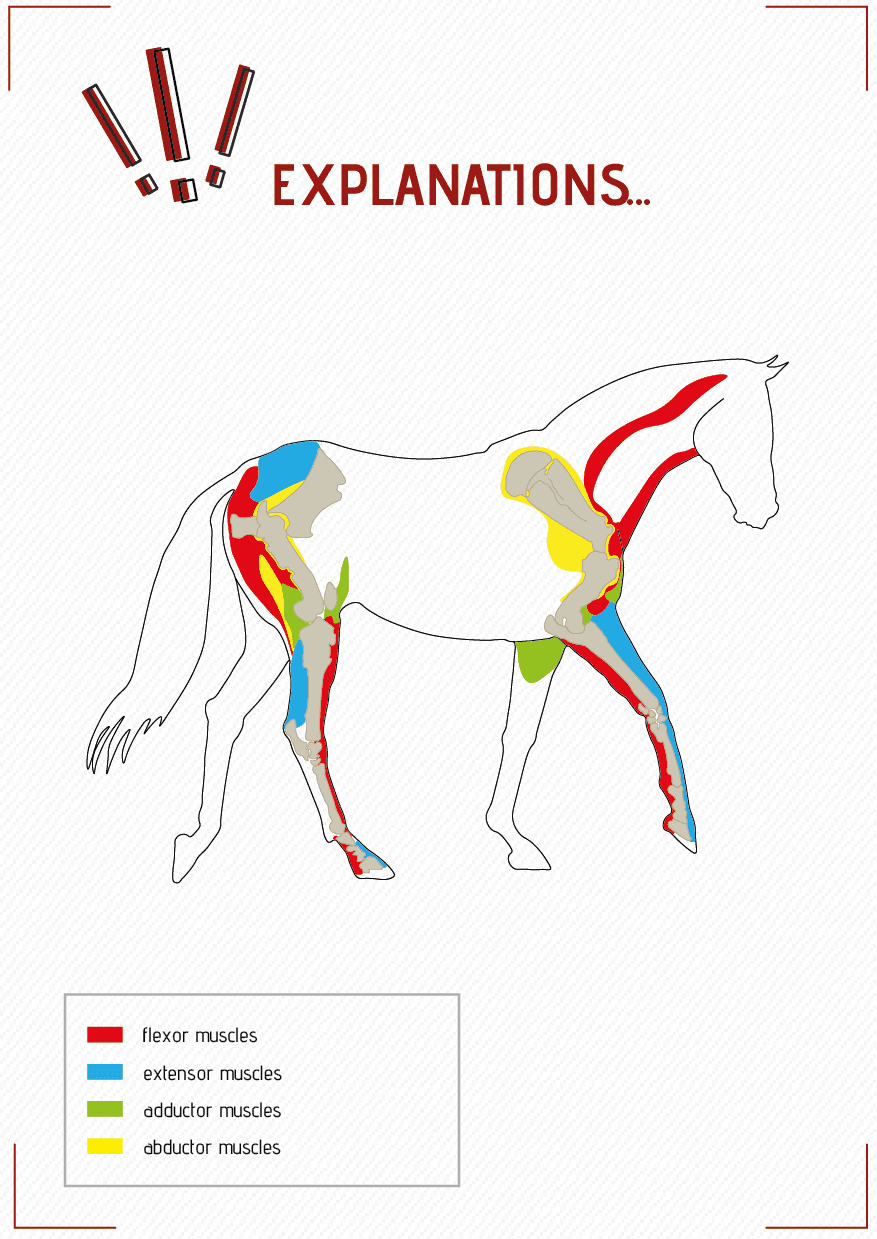
Lunging a horse is a fundamental training technique that builds a strong foundation for communication, control, and athleticism. Whether you’re a seasoned professional or new to the equestrian world, understanding and implementing a systematic lunging approach can unlock your horse’s potential and foster a deeper partnership. This comprehensive guide will walk you through the essential components of an effective Horse Lunging Training System, ensuring safety, clarity, and positive results for both horse and handler.
Understanding the “Why” Behind Lunging
Before diving into the “how,” it’s crucial to grasp the significant benefits lunging offers. It’s more than just letting a horse trot in a circle; it’s a versatile tool for:
- Developing Communication: Lunging refines the cues you use, teaching your horse to respond to your body language, voice commands, and the pressure of the line. This translates to better responsiveness under saddle.
- Building Fitness and Strength: Properly executed lunging sessions improve cardiovascular health, strengthen core muscles, and enhance hindquarter engagement, all vital for athletic performance and injury prevention.
- Assessing and Addressing Issues: Lunging provides an excellent opportunity to observe your horse’s gaits, balance, and any potential lameness or behavioral quirks without the weight of a rider.
- Establishing Respect and Boundaries: It helps assert your leadership in a clear, non-confrontational manner, reinforcing the hierarchical relationship crucial for safe handling.
- Preparing for Riding: Lunging warms up the horse’s muscles, making them more supple and ready for the demands of being ridden. It also helps them learn to move forward freely and adjust their pace on command.
- Safe Exercise in Specific Circumstances: For young horses, horses recovering from injury, or those being started, lunging offers a controlled way to exercise them without the complexities of riding.
The Essential Gear: Equipping for Success
A successful lunging session relies on appropriate equipment that ensures safety and clear communication.
The Lunge Line
This is your primary tool for connection. Lunge lines typically range from 20 to 35 feet and are made of various materials like cotton, nylon, or biothane.
- Material Matters: Cotton lines are softer but can be harder to clean and may stretch. Nylon offers durability and is easier to maintain. Biothane is waterproof, easy to clean, and offers a consistent grip.
- Consider Weight and Feel: A line with a comfortable weight helps you maintain a consistent contact without being overly heavy. Some lines have a slight flex or a built-in whip attachment.
The Lunge Whip
Often called a “carrot stick,” the lunge whip is an extension of your arm, used to direct and encourage forward movement, not for punishment. They typically range from 5.5 to 7 feet.
- Purposeful Use: The tip of the whip should never touch the horse. It’s used to create a visual and energetic cue, mimicking the hindquarters’ energy.
- Building Confidence: Learning to use the whip effectively is crucial. Start by practicing swinging it gently in the air to get a feel for its extension and effect.
The Surcingle or Roller
A surcingle is a padded strap that fastens around the horse’s barrel, typically featuring rings for attaching training aids like side reins. A roller is similar but often simpler.
- Purpose of Rings: These rings allow you to attach side reins or other training equipment to encourage proper head carriage and engagement during lunging.
- Comfort is Key: Ensure the surcingle or roller is well-padded and fits correctly to avoid any discomfort or chafing.
Training Aids (Optional but Recommended)
- Side Reins: When used correctly, side reins help the horse learn to work in a consistent frame and encourage self-carriage. They should be adjusted so the horse can stretch into them without being forced.
- Wither Strap: This connects to the girth or surcingle and runs over the withers, providing an additional point of contact for side reins, helping to stabilize their position.
Protective Gear for the Horse
- Boots or Wraps: For horses that might be clumsy or prone to striking themselves, boots or protective wraps on the legs can offer an added layer of safety.
Mastering the Basics: Setting Up for Success
Before you even ask your horse to move, a proper setup is essential.
Selecting the Right Lunging Arena
- Round Pen: Ideal for starting young or inexperienced horses. The enclosed space provides a sense of security and makes it easier to manage their movement.
- Large Arena (e.g., 20m x 40m or 60m x 20m): Offers more space for transitions, changes of direction, and developing more complex lunging patterns. Ensure the surface is safe and well-maintained.
- Avoid Open Fields: Unless you have exceptional control and a very well-trained horse, open fields can be too distracting and present safety risks.
Your Stance and Body Language
Your position is critical for effective communication.
- Facing the Horse: Stand in the center of the circle, facing your horse’s shoulder. This allows you to see their entire body and react accordingly.
- The “L” Position: Imagine your body forming an “L” shape with the lunge line creating the third side of a triangle. Your feet should be shoulder-width apart, balanced, and ready to move.
- Using Your Tools: Hold the lunge line in one hand (usually the left, if right-handed) and the lunge whip in the other. Keep the line relaxed but with slight contact. The whip is held back, parallel to the ground or slightly down, ready to be flicked.
The Lunging Process: Step-by-Step
This workflow focuses on a progressive approach, building upon each step.
Step 1: Establishing Connection and Respect
- Approaching the Horse: Approach calmly and confidently.
- Saddling and Bridling: Ensure all tack is fitted correctly and comfortably. For lunging, a dedicated lunge bridle or a regular snaffle bridle with the reins removed and attached to the bit rings is common.
- Attaching the Lunge Line: Clip the lunge line to the bit. For young or strong horses, clipping to both bit rings or using a special lunge caveson can provide better control.
- The Initial “Whoa”: Before asking for any movement, ensure your horse stands calmly with the line attached. Use a calm voice and a gentle pressure, then release.
Step 2: Encouraging Forward Movement
- The Cue: Take a small step back, extending your arm with the whip pointing towards the horse’s flank (without touching). Use a clear, “Hup!” or “March!” command.
- Gentle Pressure: If the horse doesn’t move, apply slight pressure on the lunge line while simultaneously using the whip cue. The combination is key.
- Rewarding Movement: The instant the horse steps forward, soften the pressure on the line and lower the whip. This positive reinforcement is vital.
- Establishing the Circle: As the horse moves forward, gently guide them into a large circle around you. Allow the line to unspool smoothly, maintaining a gentle arc.
Step 3: Controlling Pace and Direction
- To Slow Down: Soften the lunge line pressure, bring the whip slightly forward and down (as if to block their path), and use a calming voice command like “Easy” or “Woah.”
- To Speed Up: Use a brighter voice command (“Hup!” or “March!”), flick the whip more energetically behind them (again, without touching), and lean slightly forward.
- Changing Direction: This requires practice. Stand at the center, let the line slacken, and walk towards the horse. As they turn towards you, gather the line and guide them into the new circle. Alternatively, you can use a “reverse” cue, asking them to turn and trot towards you, then send them off again.
Step 4: Refining with Training Aids (Using Surcingle and Side Reins)
Once the horse understands basic forward and stop cues, introduce side reins.
- Adjustment: Attach side reins to the girth or surcingle and the bit. Adjust them so there’s a slight tension when the horse’s head is in the desired working position. They should not be so tight that they force the head down or cause discomfort.
- Working the Circle: Lunge as before. The side reins will help the horse engage their back, tuck their hindquarters, and work into a consistent frame.
- Transitions: Practice transitions (walk-trot, trot-canter, trot-walk) while using the side reins. This teaches the horse to maintain balance and connection through pace changes.
Step 5: Developing Advanced Lunging Techniques
- Figure Eights: Lunge in a figure-eight pattern across the arena to encourage suppleness and independent bending.
- Changes of Diagonal: In larger arenas, practice changing the direction of the circle, requiring the horse to adjust their balance and bend.
- Introducing Canter: Once walk and trot are solid, introduce the canter. Ensure the horse is balanced and responding well before asking for this gait.
Essential Considerations for a Safe and Effective Session
- Consistency is Key: Use the same cues and commands every time. This clarity prevents confusion for the horse.
- Positive Reinforcement: Always reward desired behavior with praise, a relaxed line, or a gentle scratch.
- Read Your Horse: Pay close attention to your horse’s body language. Signs of stress, fatigue, or confusion mean it’s time to stop or adjust. Never push a horse beyond its physical or mental limits.
- Session Length: Keep sessions concise, especially for young or inexperienced horses. 15-20 minutes is often sufficient. Overworking can lead to fatigue, frustration, and potential injury.
- Safety First: Always be aware of your surroundings. Ensure gates are closed, and there are no distractions in the arena. Wear appropriate footwear.
- Professional Guidance: If you’re new to lunging, seek instruction from an experienced trainer. They can provide personalized feedback and ensure you’re using the equipment and techniques correctly. For advanced training aids, professional advice is even more critical. Learning how to properly use aids like side reins is part of a comprehensive horse training gear strategy.
Troubleshooting Common Lunging Challenges
- Horse Refuses to Move Forward:
- Cause: Lack of understanding, fear, or stubbornness.
- Solution: Ensure your cues are clear and consistent. Use a combination of voice, whip, and line pressure. Start in a smaller, more enclosed space if necessary. Revisit the basics of establishing respect.
- Horse Runs You Off:
- Cause: Horse testing boundaries, lack of respect for personal space.
- Solution: Stand tall, use a firm voice (“Whoa!”), and immediately apply pressure on the line to stop them. Do not let them continue moving forward. This is a critical moment for re-establishing leadership.
- Horse Collapses Inward:
- Cause: Improper line handling, horse not understanding the circle.
- Solution: Maintain a steady arc with the line. Use the whip as a gentle barrier to keep them out. Ensure your body position encourages them to stay on the arc.
- Horse Works “Behind the Bit” (Too Low/Forward):
- Cause: Side reins too tight, horse not engaging hindquarters.
- Solution: Check side rein adjustment. Ensure they allow for a natural stretch. Focus on vocal cues and whip use to encourage hindquarter engagement. This might involve working without side reins initially. The principles of breaking and training young horses often involve gradual introduction of new concepts.
Conclusion: Building a Partnership Through Lunging
A well-structured horse lunging training system is an invaluable asset for any horse owner. It’s a powerful method for enhancing communication, fitness, and overall training effectiveness. By mastering the equipment, understanding your role, and applying a progressive, positive approach, you can transform lunging from a simple exercise into a dynamic training session that strengthens the bond between you and your horse. Remember that patience, consistency, and a deep respect for your equine partner are the cornerstones of any successful training endeavor, echoing the philosophies of renowned figures like Monty Roberts horse training or the insights offered by trainers such as Will Walden horse trainer. Embracing this system will undoubtedly lead to a more harmonious and capable partnership in all your equestrian pursuits.
