
Lunging a horse is one of the most foundational and beneficial practices in horsemanship. Far more than just letting a horse run in circles, it’s a sophisticated dialogue that builds communication, develops physical fitness, and strengthens the bond between horse and handler. But to have this conversation effectively and safely, you need the right tools. Investing in the proper Horse Lunge Lines And Training Supplies is not about having fancy gear; it’s about setting you and your horse up for a successful and safe training partnership from the ground up.
Why Lunge? The Core Benefits of Circle Work
Before diving into the equipment, it’s essential to understand the purpose behind the practice. When done correctly, lunging offers a wealth of benefits that translate directly to work under saddle. It serves as an invaluable tool for warming up a horse before a ride, allowing them to release excess energy and focus their mind. For young horses, it’s the first step in learning voice commands, understanding pressure and release, and accepting tack. For the finished show horse, it’s a way to maintain condition and suppleness. Effective lunging helps a horse develop balance, find a natural rhythm, and build crucial topline muscles without the weight of a rider, laying the groundwork for a sound, athletic partner.
The Most Essential Tool: Choosing Your Lunge Line
The lunge line is your primary line of communication, your direct link to the horse. The feel, material, and construction of this single piece of equipment can dramatically impact your training session.
Material Matters: Cotton vs. Nylon
When you walk into a tack store, you’ll primarily find lunge lines made of cotton or nylon (polypropylene). While nylon might be durable and inexpensive, most experienced horsemen reach for cotton, and for good reason.
- Cotton: Soft-woven cotton webbing is the preferred material for safety and comfort. It’s much softer on your hands, significantly reducing the risk of painful rope burn if your horse pulls unexpectedly. Crucially, while strong, a quality cotton line is more likely to break under an extreme, panicked force—for instance, if a horse gets a leg tangled. This can be a critical safety feature that prevents a catastrophic injury to your horse’s limbs.
- Nylon: Flat nylon or round poly ropes are very strong and water-resistant. However, this strength can be a liability in an emergency. Nylon is also notoriously slippery, especially when wet, and can cause severe rope burns in an instant if it slides through your hands.
The Anatomy of a Good Lunge Line
Beyond the material, there are a few key features to look for when selecting your line.
- Length: The standard and most versatile length is between 25 and 30 feet. This is long enough to allow the horse to work on a circle large enough to prevent undue strain on their joints but short enough for the handler to maintain control.
- Width: For flat webbing lines, a one-inch width provides a comfortable and secure grip without being overly bulky in your hand. Thinner lines can twist and tangle more easily.
- Hardware: Never underestimate the importance of the hardware. Look for a high-quality, heavy-duty brass or nickel-plated snap. A “bull snap” or a traditional “bolt snap” are both excellent, secure choices. A swivel on the snap is a non-negotiable feature; it prevents the line from twisting as the horse moves, ensuring your signals remain clear and direct.
Beyond the Line: Essential Lunging Equipment
While the lunge line is central, a few other pieces of equipment are necessary to complete your lunging kit and ensure both you and your horse are properly outfitted.
Headgear: Lunge Cavesson vs. Halter
Attaching the lunge line directly to the bit ring of a bridle can pull the bit through the horse’s mouth, causing pain and encouraging the horse to tilt its head. Attaching to a standard halter offers little control and can twist into the horse’s eye. The superior choice is a lunge cavesson. This piece of equipment, which resembles a reinforced halter, features a center ring on the noseband specifically for attaching the lunge line. This allows you to influence the horse without interfering with its mouth, promoting correct flexion and bend.
The Lunge Whip: An Extension of Your Arm
The lunge whip is not a tool for punishment; it is a vital communication aid. It acts as an extension of your arm, creating a respectful boundary and providing cues to encourage the horse to move forward, step out onto the circle, or make upward transitions. It should be light enough to handle comfortably for an entire session, with a lash long enough to easily reach the horse’s hindquarters.
Safety Gear for the Handler
The horse isn’t the only one who needs to be properly attired. The handler’s safety is paramount.
- Gloves: This is the most important piece of personal equipment. A good pair of riding or leather gloves will protect your hands from burns and help you maintain your grip.
- Sturdy Footwear: The arena is not the place for sneakers or sandals. Wear boots with a hard toe for protection.
- Helmet: It is always a wise choice to wear a helmet when working with any horse from the ground, as accidents can and do happen.
 A collection of essential horse lunge lines and training supplies laid out neatly on a wooden tack trunk, including a cotton lunge line, a whip, and gloves.
Advancing Your Training: Optional Supplies
For handlers with more experience, certain training aids can be introduced to help encourage the horse to work in a better frame. These tools should be used with care and knowledge, as improper use can do more harm than good.
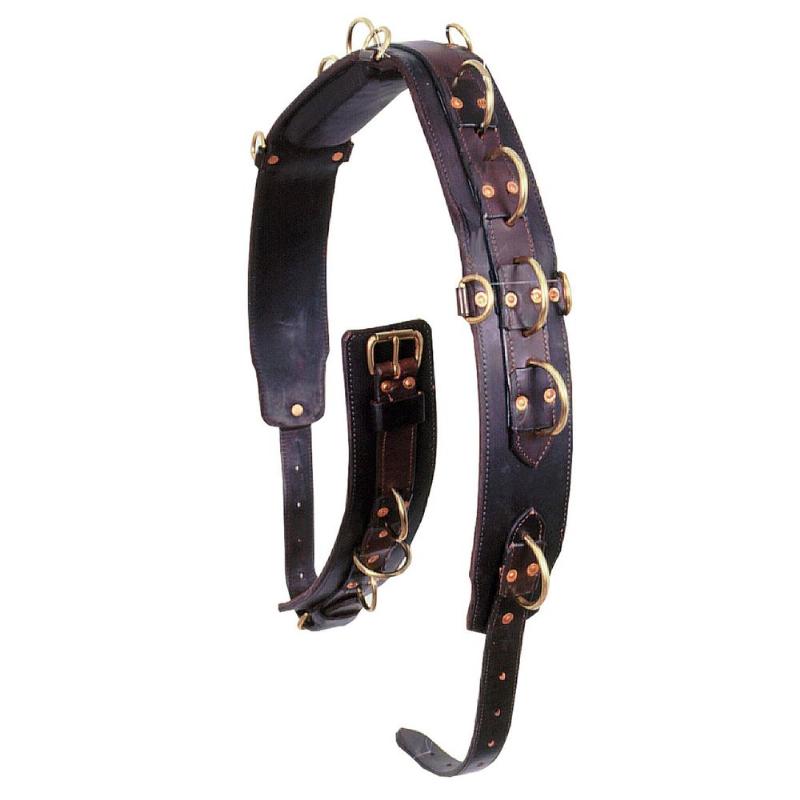
- Surcingle: A surcingle is a wide leather or nylon band that fits around the horse’s barrel like a girth. It features numerous rings, providing attachment points for other aids.
- Side Reins: These elastic or leather reins run from the surcingle to the bit. They are used to encourage the horse to maintain light contact and work in a rounder frame. Always choose leather side reins, as they will break in an emergency, unlike nylon.
Frequently Asked Questions (FAQ)
What is the safest material for a horse lunge line?
Cotton is widely considered the safest material. It is less likely to cause rope burn on the handler’s hands and is more likely to break under extreme pressure, which can prevent serious injury to the horse if it becomes tangled.
How long should a lunge line be?
The ideal length for a lunge line is between 25 and 30 feet. This allows the horse to work on a circle large enough to be comfortable for its joints while still allowing the handler to maintain effective control.
Do I really need a lunge whip?
Yes, a lunge whip is an essential communication tool, not an instrument of punishment. It acts as an extension of your body language to guide the horse and encourage forward movement, similar to how a rider uses their legs.
Can I lunge my horse in a regular halter?
While possible, it is not recommended for training purposes. A regular halter can twist and slip, potentially into the horse’s eye, and it offers very little control for teaching proper flexion and bend. A lunge cavesson is the much safer and more effective option.
How long should a lunging session last?
Lunging is physically demanding for a horse. Sessions should be kept relatively short, typically no longer than 20 minutes, with work evenly distributed in both directions to avoid repetitive strain injuries.
Conclusion
Effective horsemanship is built on a foundation of clear communication, trust, and safety. The time spent lunging your horse is a critical investment in that foundation. By choosing high-quality, appropriate horse lunge lines and training supplies, you are not just buying equipment; you are prioritizing the well-being of your equine partner and the clarity of your conversation. A soft cotton line, a well-fitting cavesson, and a good pair of gloves are the simple tools that unlock a world of productive, safe, and rewarding training on the circle.
