
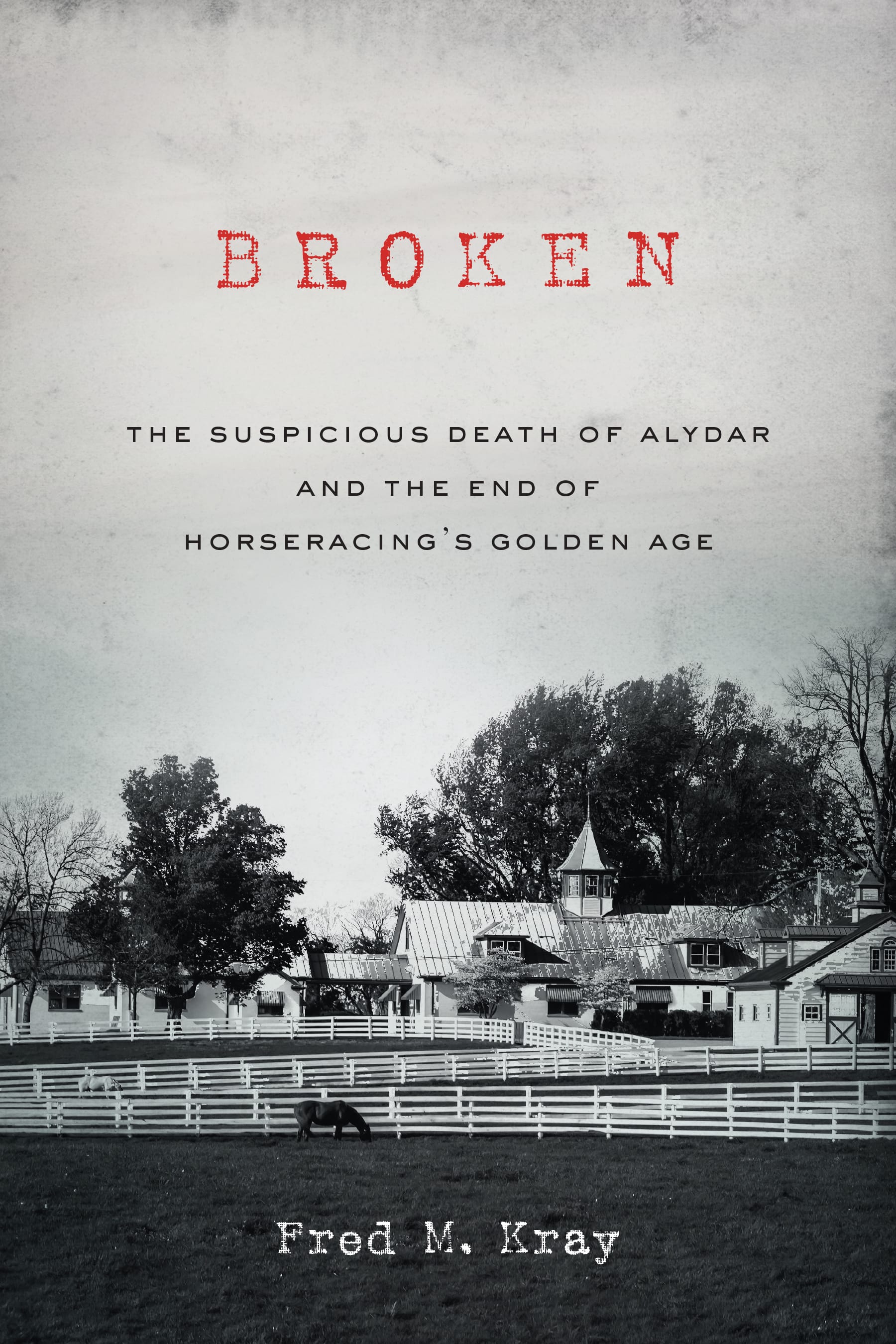
A horse killed by a train is a devastating event, highlighting the critical need for robust fencing and vigilant awareness of railway surroundings. These accidents, though infrequent, result in immense emotional distress for owners and handlers, and raise significant questions about safety protocols and responsible land management near rail lines. Examining the circumstances, contributing factors, and preventative measures surrounding such incidents is crucial for equine welfare and community safety.
The presence of horses near active railway tracks presents a persistent and serious risk. Horses, by nature, can be easily spooked by loud noises or sudden movements. A train’s horn, its immense size, and the unfamiliarity of its approach can trigger a flight response, leading a horse to bolt towards or onto the tracks. If a horse is in a paddock adjacent to a railway line, inadequate fencing can provide an escape route, turning a potentially momentary scare into a fatal encounter.
Factors Contributing to Horse-Train Collisions
Several factors can contribute to the tragic occurrence of a horse being killed by a train. Understanding these elements is key to developing effective prevention strategies.
Inadequate Fencing and Boundary Maintenance
One of the most significant factors is insufficient or damaged fencing along railway corridors. Property owners adjacent to train tracks have a responsibility to maintain secure enclosures for their livestock. This includes ensuring fences are tall enough, strong enough, and free from gaps or weaknesses that a determined or frightened horse could exploit. Older or poorly maintained fences are particularly vulnerable. The sheer momentum and speed of a train leave no room for error; even a momentary lapse in a horse’s containment can have catastrophic consequences.
Environmental and Weather Conditions
Environmental factors can play a role. Poor visibility due to fog, heavy rain, or snow can reduce the train operator’s ability to see an animal on the tracks in time to react. Conversely, strong winds can carry the sound of an approaching train away from horses, or conversely, spook them with sudden gusts and unfamiliar noises. Furthermore, dry conditions can lead to increased vegetation growth, potentially obscuring weakened fence lines or creating attractive grazing areas near the tracks.
Horse Behavior and Temperament
Individual horse behavior is also a critical consideration. Some horses are naturally more flighty or curious than others. Young, inexperienced horses may be more prone to panic or wander. Even well-trained and calm horses can react unpredictably when faced with a startling event like a train’s horn or rumble. A horse’s inherent flight instinct, designed for survival in open environments, can unfortunately lead them into extreme danger when confronted with the confined and fast-moving world of a railway.
Human Factors and Proximity to Tracks
Human activity near railways can also contribute to incidents. If horses are being ridden or handled in areas close to train tracks, a rider’s or handler’s ability to control the animal in a startling situation is paramount. Distractions, inexperience, or a lack of awareness regarding train schedules and the potential for spooking can increase risk. It’s also vital to consider the proximity of horse pastures or riding trails to active railway lines.
Preventing Horse-Train Incidents
Preventing such heartbreaking incidents requires a multi-faceted approach involving railway authorities, landowners, and horse owners. The focus must be on creating safer environments and promoting responsible practices.
Enhancing and Maintaining Fencing
The most direct preventative measure is the installation and diligent maintenance of secure fencing. For properties bordering railway lines, this means investing in high-tensile wire, sturdy wooden fences, or even electric fencing as a deterrent. Regular inspections are vital to identify and repair any breaches promptly. Railway companies also have a role in ensuring their own boundaries are secure and do not present escape routes for livestock. Considering the inherent dangers, reinforced fencing designed to withstand impact or deter entry is often recommended.
Awareness and Education Campaigns
Raising awareness among horse owners, riders, and the general public about the dangers of horses near railway lines is essential. Educational campaigns can highlight the importance of secure fencing, responsible land use, and understanding horse behavior. Information about train schedules and the potential for spooking can empower individuals to take necessary precautions. These campaigns can be disseminated through equestrian associations, local authorities, and community safety initiatives.
Collaboration Between Stakeholders
Effective prevention relies on collaboration between different stakeholders. Horse owners need to be aware of their responsibilities regarding livestock containment, especially when located near hazardous areas like railway tracks. Railway companies can contribute by ensuring their infrastructure is safe and by participating in community outreach programs. Local governments can play a role in enforcing fencing regulations and promoting safety awareness. Addressing the risk requires a united front.
Emergency Preparedness and Response
While prevention is key, having a plan for emergencies is also important. Horse owners should know who to contact immediately if their horse escapes, particularly if it is near a railway line. This includes having contact information for local rail authorities and emergency services. Understanding procedures for reporting livestock on tracks can also help mitigate the severity of an incident if it occurs.
Legal and Ethical Considerations
The tragic loss of a horse due to a train collision raises significant legal and ethical questions. Liability can be complex, often depending on property ownership, lease agreements, and adherence to local regulations regarding livestock fencing. Ethically, there is a profound responsibility to ensure the safety and welfare of these animals, minimizing risks associated with human infrastructure. The emotional and financial toll on owners is immense, underscoring the importance of preventing such avoidable tragedies.
Understanding the dynamics of why a horse might be killed by a train is a somber but necessary exercise. It points to a confluence of environmental factors, animal behavior, and crucially, the responsibility of humans to create and maintain safe boundaries. For anyone involved with horses, especially those near railway lines, vigilance and investment in robust safety measures are not just prudent – they are essential for preventing further heartbreak.
