
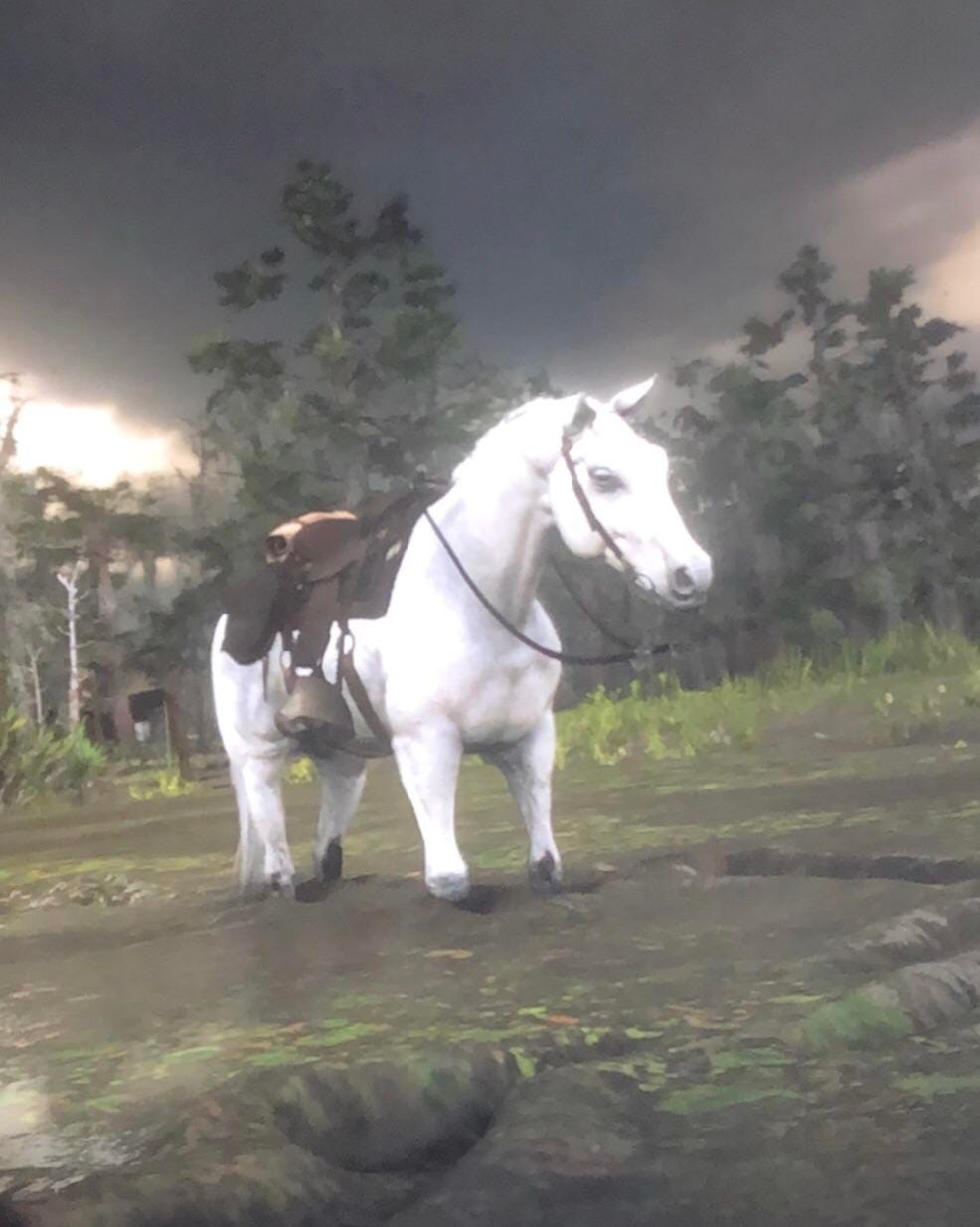
The world of cinema is filled with moments that define a generation, scenes so powerful they etch themselves into the collective memory of viewers. For many who grew up in the 80s, few cinematic experiences were as profoundly impactful as the fate of the horse in The Neverending Story. The character, a noble white steed named Artax, became more than just an animal companion; he was a symbol of hope, loyalty, and innocence. His tragic demise in the Swamp of Sadness is not just a sad scene—it is a formative cultural touchstone that taught an entire generation about loss, despair, and the courage required to move forward even when your heart is breaking.
This single sequence transcends typical movie sadness. It stands as a masterclass in storytelling, confronting young audiences with complex emotional themes that are often reserved for more mature films. Understanding the depth of this moment requires looking beyond the tears it caused. We must explore the narrative purpose, the symbolism of the swamp, and the lasting psychological imprint left by Atreyu’s desperate pleas and Artax’s silent surrender. Similar to the way we analyze the profound connection in stories like the dead horse neverending story, we can see how these narratives shape our understanding of loyalty and loss.
Who Was Artax, Atreyu’s Loyal Companion?
Artax was not merely a mode of transport for the young hero, Atreyu. He was his closest friend, his confidant, and his silent partner on a quest to save the magical land of Fantasia from a formless, all-consuming void known as “The Nothing.” In the early parts of their journey, Artax represents strength, purity, and the unwavering spirit of the hero’s endeavor. His brilliant white coat stands in stark contrast to the encroaching darkness, making him a living beacon of hope.
The bond between Atreyu and Artax is established with minimal dialogue but profound emotional weight. They are a team, navigating the perils of Fantasia together. Artax is portrayed as more than just an animal; he is a being with awareness and a deep connection to his rider. This careful character development is crucial, as it sets the stage for the devastating emotional impact of his loss. The audience doesn’t just see a boy losing his horse; they witness a hero losing a part of himself.
The Symbolism of a White Horse
In mythology and literature, white horses often symbolize purity, heroism, and triumph over evil. By choosing a white horse as Atreyu’s companion, the filmmakers tapped into a deep well of cultural archetypes. Artax is the embodiment of the good and the beautiful that Atreyu is fighting to protect. His presence reinforces the righteousness of the quest, making his eventual fate all the more tragic and thematically significant. The loss of this symbol is a critical moment where the story forces its hero—and the audience—to confront the possibility that goodness alone may not be enough to conquer the void.
The Unforgettable Scene: The Swamp of Sadness
The turning point of the narrative and the source of so much childhood trauma is the journey through the Swamp of Sadness. The swamp is a unique trial; it does not test physical strength but emotional resilience. The magical affliction of the swamp is that it causes any being who lets sadness and despair overwhelm them to sink into the murky depths, forever lost. It is a physical manifestation of depression and hopelessness.
As Atreyu and Artax traverse the swamp, Atreyu’s own determination and hope keep him afloat. He is focused on his quest, a purpose that shields him from the swamp’s power. But Artax, a creature of pure heart, begins to falter. He stops, and slowly, his legs begin to sink into the mud. What follows is one of the most harrowing scenes in children’s cinema. Atreyu, realizing what is happening, begs, pleads, and screams at his beloved friend to fight the sadness.
“You have to fight the sadness, Artax. You have to! Artax, please! I won’t give up! Don’t you give up!”
This desperate monologue from a child facing the loss of his best friend is raw and unforgettable. The horse in The Neverending Story succumbs not to a monster or a villain, but to an internal force: overwhelming sorrow. Atreyu is forced to watch, helpless, as his companion sinks beneath the mud, leaving him utterly alone. The scene’s power lies in its quiet horror and its painfully realistic depiction of how depression can consume a being from within, immune to the pleas of loved ones. The imagery of the neverending story horse in swamp became a defining moment for a generation of moviegoers.
Why Did Artax Have to Die?
From a narrative standpoint, Artax’s death is a crucial catalyst for Atreyu’s character development. It is a brutal but necessary rite of passage.
- Stripping Away Innocence: Atreyu begins his quest as a boy, protected by the strength and companionship of Artax. The death of his horse forces him to confront the harsh reality of his world and strips away his childish innocence. He must continue his journey alone, carrying the full weight of his grief and responsibility.
- Raising the Stakes: The scene powerfully demonstrates the true nature of the enemy. The Nothing isn’t a simple monster to be slain; it is a force of apathy and despair. Artax’s death proves that this foe is real, insidious, and can claim even the purest of hearts. It makes the threat to Fantasia tangible and terrifying.
- The Theme of Perseverance: By forcing Atreyu to continue after such a profound loss, the story emphasizes the central theme of hope against all odds. It teaches that true courage isn’t the absence of fear or sadness, but the will to move forward in spite of it. Atreyu’s quest becomes far more meaningful because he chooses to persevere through his personal heartbreak for the sake of a greater good.
The Psychological Impact on a Generation
For countless children, the scene in the Swamp of Sadness was their first on-screen encounter with the concepts of death, grief, and the paralyzing nature of depression. It was not a quick, heroic death in battle; it was a slow, agonizing surrender to an invisible force. This made it deeply unsettling and profoundly memorable.
Dr. Alistair Finch, a specialist in cinematic symbolism and narrative theory, explains, “The Artax scene is so effective because it refuses to soften the blow for its young audience. It directly confronts children with the idea that sometimes, love and effort aren’t enough to save someone you care about. It validates the feeling of helplessness that can accompany loss and introduces the complex idea of emotional struggles being as dangerous as physical ones. For many, this was a foundational lesson in empathy.”
The scene has been discussed for decades in forums, articles, and social media, with many adults recalling the exact feeling of watching it for the first time. It became a shared cultural trauma, a cinematic benchmark for sadness that is often used in comparison to other emotional movie moments. The experience of seeing the horse in the neverending story left a lasting mark on the emotional landscape of its viewers.
How Does the Scene Hold Up Today?
In an age of CGI-heavy blockbusters and fast-paced action sequences, the quiet, emotionally raw scene of Artax’s death remains just as powerful. Its strength lies in its practical effects and the incredible acting of Noah Hathaway as Atreyu. There is a tangible reality to the mud, the struggle, and the despair. The filmmaking is patient, allowing the horror of the situation to unfold in real-time, forcing the audience to experience every agonizing second with Atreyu. This refusal to look away is what makes it timeless, continuing to affect new audiences who discover the film today.
Beyond the Swamp: The Legacy of a Heroic Horse
While his death is what he is most remembered for, the character of Artax represents much more. He is a symbol of the profound and unspoken bond between humans and animals. His loyalty and gentle spirit are a reminder of the purity and goodness that Atreyu is fighting to preserve. The grief over his loss is a testament to the depth of that connection.
The story of the horse in The Neverending Story is ultimately a key part of a larger narrative about the power of stories themselves. Atreyu’s journey through Fantasia is being read by a boy in our world, Bastian, who is also dealing with loss and sadness. Atreyu’s perseverance after losing Artax inspires Bastian to find his own courage. In this way, Artax’s sacrifice echoes through the layers of the narrative, becoming a pivotal moment that fuels the hope needed to ultimately save Fantasia.
In conclusion, Artax is far more than just “the horse that died.” He is a pivotal character whose story arc defines the emotional core of The Neverending Story. His death is a powerful and sophisticated piece of filmmaking that introduces complex themes of loss, depression, and resilience to audiences of all ages. It is a moment of cinematic heartbreak that, paradoxically, strengthens the film’s ultimate message: that even in the face of overwhelming sadness, we must never give up hope. The memory of the loyal Horse In Never Ending Story continues to ride on in the hearts of those he touched so deeply.
Frequently Asked Questions (FAQ)
What was the name of the horse in The Neverending Story?
The horse’s name is Artax. He was the loyal companion of the main hero, Atreyu, on his quest to save the land of Fantasia.
Why did the horse die in The Neverending Story?
Artax died in the Swamp of Sadness because he was overcome by the sorrow and despair that permeated the swamp. This magical affliction causes any being who gives in to sadness to sink into the mud and be lost forever.
Was the horse actor actually harmed during the filming?
No, the horse was not harmed. The filmmakers used a combination of a specially trained horse, a hidden platform that was slowly lowered into the mud, and clever editing to create the scene safely. The horse’s trainer was present at all times to ensure its well-being.
What does Artax’s death symbolize?
Artax’s death symbolizes several key themes: the loss of innocence, the overwhelming power of depression and despair, and the necessity of perseverance in the face of profound grief. It demonstrates the true danger of the film’s antagonist, “The Nothing,” which represents hopelessness.
Why is the scene with the horse in The Neverending Story so traumatic for people?
The scene is particularly traumatic because it depicts a slow, agonizing death caused by an internal emotional state rather than an external enemy. The raw performance of the child actor, Atreyu, pleading with his friend, and the helplessness of the situation make it a deeply impactful and realistic portrayal of loss for young audiences.
