
In a world relentlessly propelled by the roar of diesel engines and the silent hum of electric power, there exists a faint, rhythmic echo from the past on a quiet track in Pakistan. Imagine a train journey where the engine is not forged from steel and fire, but from flesh and bone—a living, breathing powerhouse. This is the story of the remarkable horse-driven train in Pakistan, a surviving relic from the British Raj that whispers tales of ingenuity, agricultural revolution, and the timeless partnership between man and horse. It’s a journey back to a simpler, slower time, chugging along a short stretch of history in the heart of Punjab.
The Visionary Engineer Behind the Rails
Before you can understand the train, you must first meet the man who willed it into existence: Sir Ganga Ram. Often hailed as the “Father of Modern Lahore,” Ganga Ram was a brilliant Indian civil engineer, architect, and philanthropist whose work left an indelible mark on the landscape of the subcontinent. Born in 1851, he was a true visionary, a man who saw potential where others saw only desolation. His genius wasn’t just in designing iconic buildings; it was in solving practical problems with elegant, and sometimes unconventional, engineering.
After a distinguished career, the British government granted him a lease on thousands of acres of barren, uncultivated land in the Punjab. With his profound knowledge of irrigation and agriculture, Sir Ganga Ram transformed this wasteland into a thriving, modern agricultural hub. He named this new, fertile oasis Gangapur, and it became a model village, showcasing the most advanced farming techniques and machinery of the era. But this success created a new challenge: how to transport heavy equipment from the nearest major railway connection to his burgeoning estate?
A Marriage of Horsepower and Steel: Birth of the Ghoda Train
The solution to Sir Ganga Ram’s logistical problem was as brilliant as it was simple. The main North Western State Railway line stopped at Buchiana Railway Station, a little over three kilometers away from Gangapur. To bridge this gap, he designed and constructed his own private railway line. But this was no ordinary railway. Instead of a costly and complex steam locomotive, the primary mover would be the humble horse.
Work on this unique narrow-gauge line began around 1898, and by 1903, the “Ghoda Train” (literally Horse Train) was fully functional. The design was practical and considerate. A light iron track was laid, but alongside it, wooden planks were embedded into the path. This thoughtful addition provided a surer footing for the horses, preventing them from slipping and ensuring they could pull the load with greater ease and comfort. The train itself consisted of a couple of simple trolleys, capable of carrying both essential machinery and about fifteen passengers. This horse-driven train in Pakistan was more than a novelty; it was a vital piece of infrastructure, the final, crucial link connecting Gangapur’s agricultural revolution to the wider world.
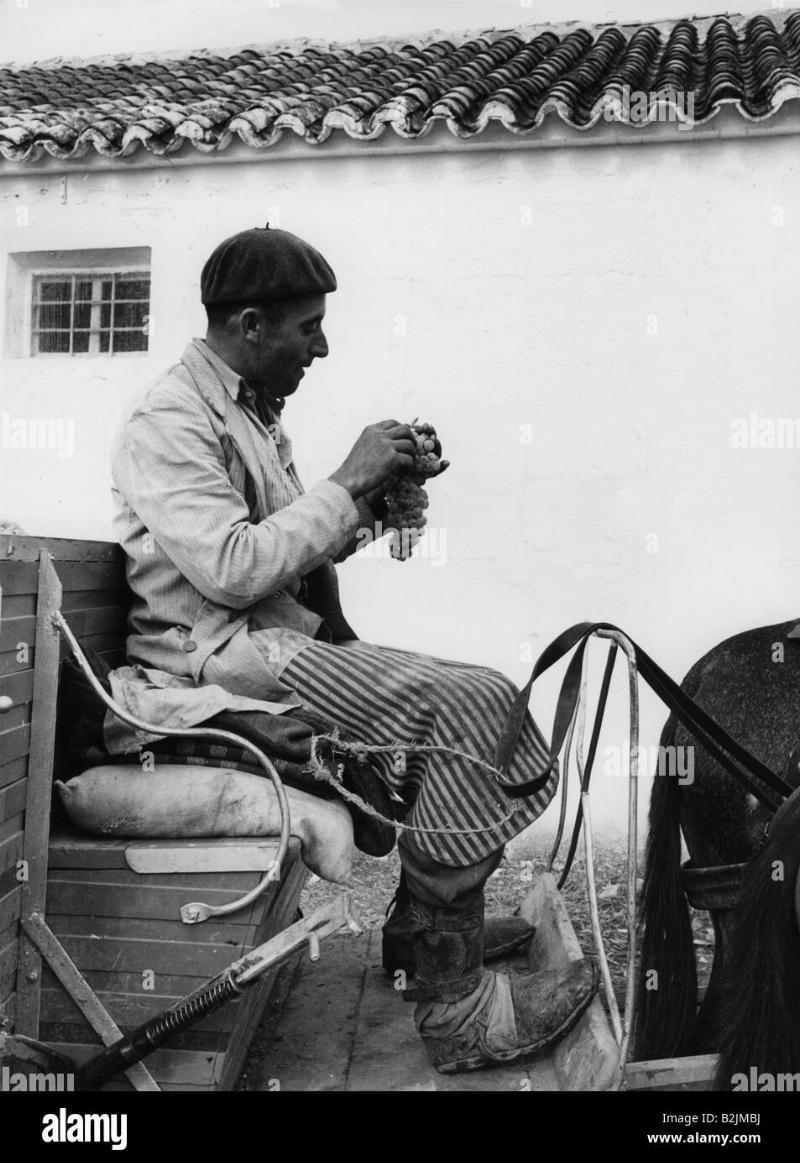 A historical black and white photo of the horse-driven train in Pakistan, showing a horse pulling a trolley with passengers on a narrow-gauge track.
What Was it Like to Ride the Horse-Drawn Train?
A journey on the Ghoda Train was an experience far removed from the hurried, impersonal nature of modern travel. The pace was dictated by the steady walk of a horse, allowing passengers to fully immerse themselves in the sights and sounds of the Punjabi countryside. The rhythmic clatter of the steel wheels on the track was accompanied not by the hiss of steam, but by the gentle snort of the horse and the soft creak of the leather harness.
It was a communal experience, connecting the villagers of Gangapur to the station at Buchiana, facilitating trade, travel, and social calls. For decades, it was the lifeline of the community, a testament to its founder’s foresight. It represented a perfect synergy of old and new technology, where the raw, reliable power of a horse was seamlessly integrated with the mechanical efficiency of the railway.
“The Gangapur tramway is a fascinating example of appropriate technology,” notes Dr. Alistair Finch, a historian specializing in colonial-era transportation. “It wasn’t about having the most powerful engine; it was about finding the most effective and sustainable solution for a specific need. It highlights a form of engineering that worked in harmony with the local environment and resources, a lesson we could certainly learn from today.”
The End of the Line and a Glimmer of Hope
Like many relics of a bygone era, the Ghoda Train eventually succumbed to the pressures of time and modernity. After serving the community faithfully for over eight decades, it fell into disrepair. By the 1980s, with roads improving and motorized vehicles becoming more common, the unique horse-pulled tram was taken out of service. For years, the tracks lay silent, and the old platform fell into a dilapidated state, a forgotten piece of a proud history.
However, the story didn’t end there. Recognizing its unique cultural and historical value, the district government initiated a restoration project in 2010. The aim was to refurbish the Ghoda Train and relaunch it, not just as a mode of transport, but as a heritage attraction—an amusement ride for villagers and a draw for tourists. While its operational status has been intermittent since, the effort to preserve it signifies a deep appreciation for its place in Pakistan’s history. It stands today as a symbol of a past that refuses to be completely erased.
Why the Horse-Driven Train Still Captures Our Imagination
In an age of hyper-speed and technological saturation, the allure of the horse-driven train is stronger than ever. It’s a piece of “living history,” a tangible connection to the ingenuity of the past. It speaks to a more sustainable, slower way of life, where the pace was more human, more connected to the natural world. For us at “Equine Excellence,” it is a powerful reminder of the horse’s integral role in human civilization. Long before engines roared to life, it was the strength and stamina of horses that laid the tracks of progress.
A Legacy Etched in Steel and Soil
The horse-driven train in Pakistan is more than just a quaint tourist attraction. It is the story of one man’s incredible vision to cultivate a desert and build a community. It is a monument to an era when engineering solutions were often simple, elegant, and deeply practical. Most importantly, it is a tribute to the enduring and powerful partnership between humans and horses, a partnership that has shaped our world in countless ways. The gentle ghost of the Ghoda Train running on its quiet track is a profound legacy etched forever in the steel of the rails and the soil of the Punjab.
Frequently Asked Questions (FAQ)
Where is the horse-driven train in Pakistan located?
The train, known as the Ghoda Train, is located in the Faisalabad district of Punjab, Pakistan. It runs on a three-kilometer track connecting the village of Gangapur to the Buchiana Railway Station.
Who built the Ghoda Train?
The horse-drawn railway was the brainchild of Sir Ganga Ram, a renowned civil engineer and philanthropist from the British Raj era. He built it to service the model agricultural village of Gangapur, which he founded.
Is the horse-drawn train still operational?
The train ceased its regular service in the 1980s. It was restored by the local government in 2010 as a heritage attraction. While it does not run as a daily public transport service, it remains a historical landmark and is sometimes operated for special occasions.
What was the original purpose of the train?
Its primary purpose was to transport heavy agricultural machinery and implements from the main railway line at Buchiana to Sir Ganga Ram’s modern farm in Gangapur. It also served as a passenger tram for the local villagers.
How is the train powered?
The train is powered entirely by horses. A horse is harnessed to the front of the trolley and pulls it along the narrow-gauge railway track, making it a unique example of equine-powered rail transport.
Conclusion
The story of the horse-driven train in Pakistan is a poignant journey into the past. It’s a narrative that beautifully weaves together themes of innovation, sustainable engineering, and the deep-rooted connection between humanity and the horse. While its days as a vital transport link are over, the Ghoda Train serves as a powerful symbol. It reminds us that progress isn’t always about speed and complexity; sometimes, the most enduring solutions are born from a simple, elegant idea and the honest strength of a horse. This remarkable piece of heritage continues to inspire, proving that even the quietest echoes of history can resonate profoundly in the modern world.
