
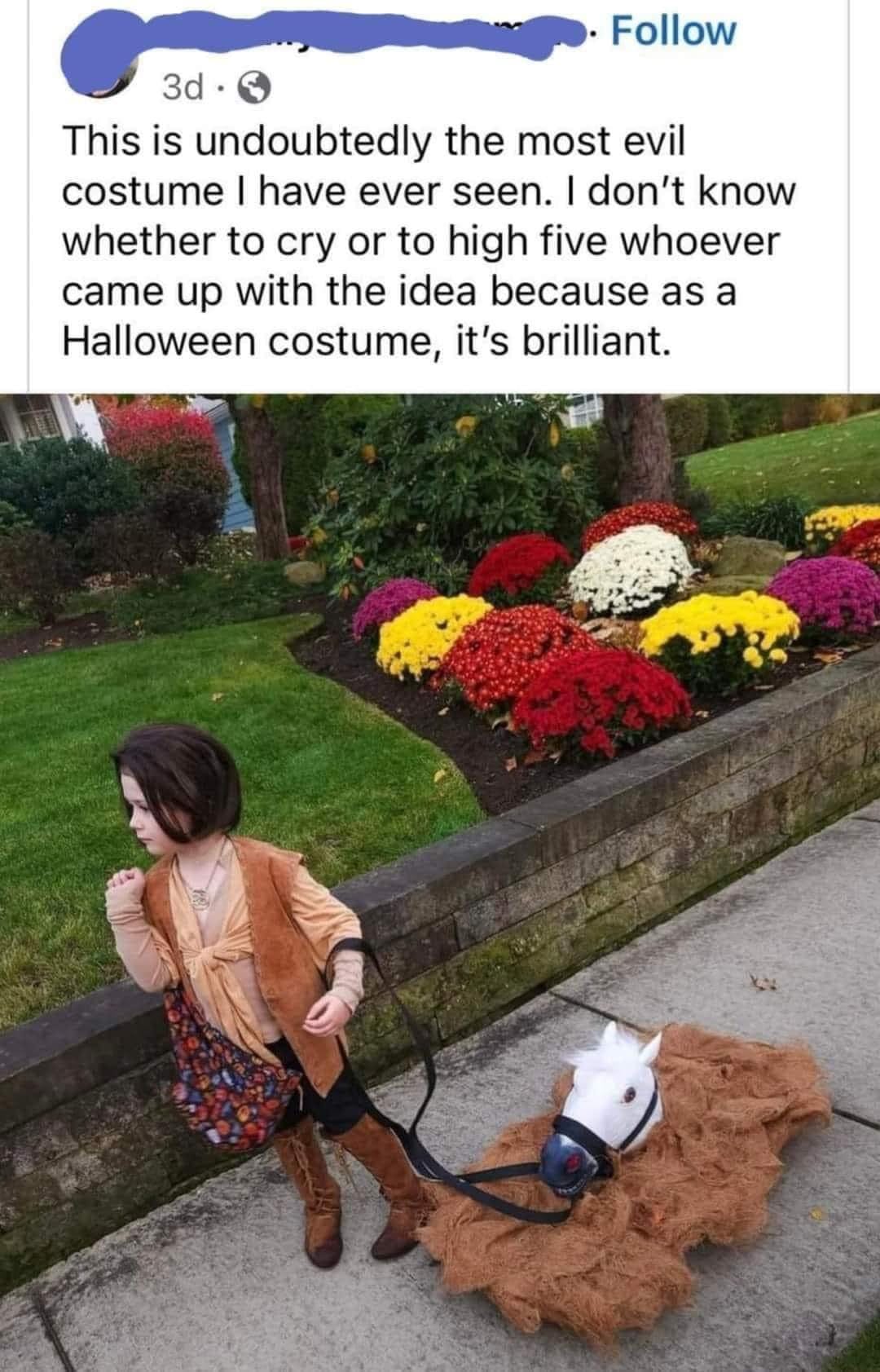
The moment is seared into the collective memory of a generation. A young hero, a desolate swamp, and a loyal companion slowly succumbing to an invisible force. The Horse Death Neverending Story scene is more than just a tragic moment in a beloved 1980s fantasy film; it is a profound and often traumatic cinematic experience that taught children about grief, despair, and the painful limits of love. For many, the image of Artax, the noble white steed, sinking into the Swamp of Sadness was a formative encounter with the concept of loss, leaving an indelible mark that resonates to this day.
This scene’s power lies in its unflinching portrayal of hopelessness. It refuses to look away, forcing the audience, alongside the desperate hero Atreyu, to witness a slow, agonizing farewell. It’s a narrative choice that stands in stark contrast to the sanitized storytelling often found in children’s entertainment. Understanding why this particular moment has such a lasting impact requires us to delve into the symbolism of the swamp, the deep bond between boy and horse, and the brutal, honest depiction of giving up. This shared cultural touchstone, often discussed as a “childhood trauma,” reveals a deeper truth about how stories shape our understanding of life’s most difficult emotions, a theme deeply resonant for anyone who has ever loved and lost an animal companion. We can see a parallel in the raw emotion of the horse died in neverending story, which captures a universal feeling of loss.
The Scene That Defined a Generation’s Grief
For those who haven’t seen it, or for those who try not to remember, the sequence is deceptively simple yet emotionally devastating. The young warrior Atreyu is tasked with finding a cure for the ailing Childlike Empress, a quest that leads him and his horse, Artax, to the Swamp of Sadness. They are warned that the swamp is a place of melancholy; those who let sadness and despair overcome them will sink into its murky depths.
Initially, Artax trots through the swamp with confidence, a symbol of purity and strength against the bleak landscape. But then, he falters. He stops, and slowly, inexplicably, begins to sink. Atreyu, tethered to his friend, feels the pull and turns to see the horror unfolding. What follows is a heart-wrenching sequence of denial, bargaining, and desperate encouragement. Atreyu screams, pleads, and pulls at the reins, begging his companion not to give in to the sadness that is dragging him down. But Artax remains still, his eyes wide as the dark water slowly envelops him. The swamp isn’t a monster with teeth; it’s an intangible force, a feeling that proves fatal. Atreyu is left alone, weeping in the mud, having failed to save his closest friend.
What Does the Swamp of Sadness Represent?
The Swamp of Sadness is not a literal monster but a powerful metaphor for clinical depression and existential despair. It’s an environment where the greatest threat is not an external enemy but one’s own internal state. Giving in to sadness, losing hope, and feeling the weight of the world become physical forces that can pull you under. This was a shockingly sophisticated and dark concept for a family film in 1984.
This location serves as one of Atreyu’s most difficult trials, testing his emotional resilience rather than his physical strength. He survives not because he is immune to sadness—he is clearly devastated by the loss of Artax—but because his quest, his sense of purpose, gives him the will to push forward. The swamp teaches a harsh lesson: that despair is a real and dangerous force, and that sometimes, even the purest and strongest among us can succumb to it. The raw and unfiltered sorrow in the neverending story horse death scene is a powerful depiction of this struggle.
As noted by fictional film theorist Dr. Alistair Finch, “The Neverending Story dared to show children that the most terrifying monsters are not dragons or giants, but the feelings of hopelessness that live inside us. The Swamp of Sadness externalizes depression in a way that is both terrifying and profoundly understandable to a young mind.”
Why the Horse Death in The Neverending Story is So Traumatic
Decades after its release, viewers still talk about how deeply the death of Artax affected them. The scene’s emotional weight comes from a perfect storm of narrative elements that work together to create a truly heartbreaking experience.
The Power of the Human-Animal Bond
Throughout the first act of his journey, Artax is Atreyu’s sole companion. He is more than a mode of transportation; he is his confidant, his partner, and a living symbol of the innocence and beauty of the world Atreyu is trying to save. Their bond is established through quiet moments and shared determination. When Artax dies, Atreyu doesn’t just lose his horse; he loses his last connection to home and his only source of comfort in a hostile world. This taps into the deep, often unspoken connection many people, especially children, feel with animals.
The Helplessness of the Situation
Perhaps the most traumatizing aspect of the scene is Atreyu’s complete and utter helplessness. He is a brave warrior, capable of facing down giant beasts, but he is powerless against the invisible force of sadness. He can’t fight it with a weapon or outsmart it with a clever plan. All he can do is watch, plead, and ultimately fail. This helplessness resonates with our own deepest fears—that a time will come when our love and effort are simply not enough to save someone we care about. This poignant feeling is central to why the neverending story horse death remains so memorable.
A Brutal Lesson in Loss for a Young Audience
Unlike many animated films where death happens off-screen or is quickly reversed, the loss of Artax is slow, deliberate, and permanent. The camera does not cut away. Director Wolfgang Petersen forces the audience to endure every moment of Atreyu’s pain. For many young viewers, this was their first on-screen lesson that death is not always heroic or meaningful. Sometimes, it is just sad, senseless, and final. It’s a stark introduction to the reality that bad things can happen to good and innocent beings, a lesson that is both necessary and painful.
Was the Horse Harmed During Filming?
One of the most frequently asked questions about this scene is whether the horse was in any real danger. The concern is a testament to how realistic and emotionally convincing the performance was. Thankfully, the answer is no. The horse who played Artax, a stunt horse named Corky, was completely safe during the filming. The crew used a hidden underwater platform that was slowly lowered, creating the illusion of sinking into the mud. Other shots used a custom-built animatronic. The horse was a trained professional and was never in any distress, a fact that brings some comfort to fans still haunted by the scene.
The Enduring Legacy of Artax’s Death
The death of Artax has become a cultural touchstone, a shorthand for cinematic trauma and a rite of passage for fantasy fans. It is frequently cited in lists of the saddest movie moments of all time and remains a topic of conversation on social media and forums. But its legacy is more than just a meme or a shared memory of sadness.
The scene pushed the boundaries of what was considered acceptable in children’s storytelling. It argued that children can handle complex and difficult themes like depression, grief, and mortality. By not shying away from the darkness, The Neverending Story gave its young audience the emotional tools to begin processing these concepts. The feelings evoked by watching a fictional horse perish tap into the very real grief we experience when we lose a beloved pet. It validates the depth of that sorrow, reminding us that the bonds we form with animals are profound and that the pain of their loss is a measure of the love we shared.
Frequently Asked Questions (FAQ)
What does Artax the horse symbolize?
Artax symbolizes purity, innocence, and hope. As Atreyu’s loyal companion, he represents the beauty and goodness of the world of Fantasia that “The Nothing” is threatening to destroy. His death is symbolic of hope being lost to despair.
Why couldn’t Atreyu save Artax from the swamp?
Atreyu couldn’t save Artax because the Swamp of Sadness doesn’t respond to physical strength. It is a magical place where giving in to sadness and despair makes one sink. Artax was overcome by this feeling, and no amount of pulling or pleading from Atreyu could change his internal state.
Is The Neverending Story too scary for kids?
This is subjective and depends on the child’s sensitivity. The film contains several intense and thematically dark scenes, including the confrontation with the wolf-like Gmork and the death of Artax. While it is a classic family film, parents may want to preview it or watch it with their children to discuss the more challenging themes.
What is the “Nothing” in the movie?
“The Nothing” is the film’s main antagonist. It is a mysterious, destructive force that consumes the world of Fantasia. It is later revealed to be the manifestation of humanity’s forgotten dreams, apathy, and cynicism.
Did the horse actor survive the filming of the scene?
Yes, absolutely. The horse was a highly trained stunt animal and was never in any danger. The sinking effect was achieved using a special hydraulic platform hidden underwater.
A Story That Never Truly Ends
The legacy of the horse death neverending story scene is a powerful testament to the impact of storytelling. It taught an entire generation that courage isn’t about the absence of fear or sadness, but about persevering in spite of it. The death of Artax is heartbreaking, but it is also a pivotal moment that fuels Atreyu’s resolve. It underscores the film’s central message: that in a world threatened by hopelessness, the stories we cherish and the love we hold for others give us the strength to continue. For anyone who has ever loved an animal, Artax’s fate is a poignant and timeless reminder of the profound bond we share with them and the enduring pain of saying goodbye.
