
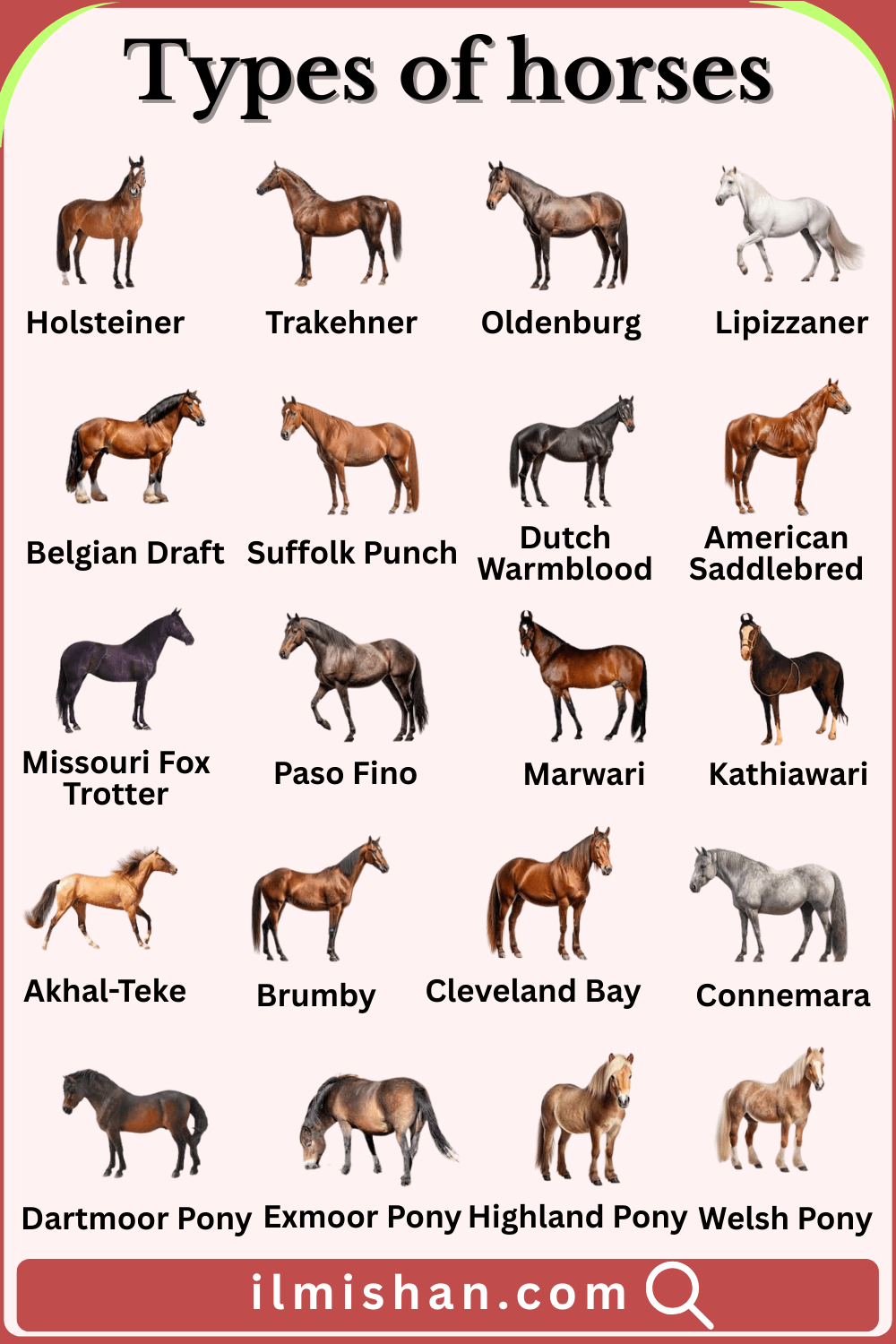
North America boasts a rich tapestry of horse breeds, each with a unique history, set of characteristics, and role in human society. From the versatile American Quarter Horse to the enduring Arabian, these breeds are central to the continent’s equestrian culture, primarily for recreational riding, but also for showing, racing, and working. Understanding these popular breeds offers insight into the diverse equine landscape of the United States and Canada.
Understanding Horse Breed Backgrounds
Horse breeds are essentially groups of horses identified by shared, inheritable characteristics that are passed down through generations. These defining traits extend beyond physical appearance, encompassing temperament, gait, and specific performance abilities. The establishment of a breed relies on selective breeding over time to reinforce these desired characteristics, ensuring genetic consistency. Most recognized breeds adhere to specific standards set by breed registries or associations, which detail the ideal physical and temperamental attributes. Registration with these bodies is typically required for official breed recognition, often necessitating proof of pedigree. Many breeds were originally developed for particular purposes—Thoroughbreds for racing, Clydesdales for draft work, and Arabians for endurance—and their heritage and origin are intrinsically linked to the culture and needs of their place of development. Furthermore, breeds can share common tendencies towards certain health issues, requiring breed-specific management and care. A horse’s breed also influences its suitability for various equestrian disciplines and the competitions it can enter.
Global and North American Equine Demographics
The global horse population is estimated to be around 60 million, with the United Nations Food and Agriculture Organization recognizing 786 distinct horse breeds. A 2010 study identified the Arabian as the most widely distributed breed globally, found in 59 countries, followed by the Thoroughbred in 45 countries. North America accounts for over 12% of the world’s horses. The American Horse Council estimated the U.S. equine population at 7.2 million in 2017, though some suggest this number may be conservative. Canada’s horse population is estimated between 478,268 and 545,136 as of 2021, although earlier reports suggest a higher figure.
Activities and Uses of Horses in North America
Recreational riding is the predominant activity for horses in North America. In the U.S., the breakdown of horse use includes approximately 3,141,449 for recreation, 1,227,986 for showing, 1,224,482 for racing, and 537,261 for working. In Canada, recreation accounts for 28% of horse use, followed by amateur sport (24.5%), working (19%), breeding (14%), professional sport (8%), elite sport (4%), and racing (2.5%).
Top Horse Breeds in North America
The United States Department of Agriculture’s 2015 equine census, though focused on commercial farms, provides valuable insights into popular horse breeds in the U.S.
- American Quarter Horse (42.1%): The most popular breed in North America, known for its versatility, excellent temperament, and suitability for western riding and ranch work. The American Quarter Horse Association (AQHA) is its official registry.
- Thoroughbred (7.1%): Renowned for speed and athleticism, Thoroughbreds are central to the horse racing industry. Many find successful second careers as riding horses after retiring from racing. The Jockey Club maintains their registry.
- American Paint Horse (6.8%): Closely related to the Quarter Horse, this breed is favored in Western disciplines for its distinctive coat patterns and strong bloodlines. The American Paint Horse Association (APHA) governs its registration.
- Miniature Horse (5.1%): The smallest equine breed, Miniature Horses are popular as companions, driving horses, and even guide animals. The American Miniature Horse Association (AMHA) is the largest registry for them.
- Draft Horses (4.7%): These large breeds, including popular types like Clydesdales and Belgians, are bred for heavy work but are also used for recreation. They are most common in the U.S. Northeast.
- Tennessee Walking Horse (4.5%): A popular gaited breed known for its smooth ambling gaits, particularly the running walk. The Tennessee Walking Horse Breeders’ and Exhibitors’ Association manages its registry.
- Grade Horse (4.1%): Horses without documented pedigrees or purebred ancestry fall into this category.
- Arabian (3.9%): One of the oldest and most famous breeds, known for beauty, charisma, and endurance. Arabian bloodlines have influenced many modern breeds. The Arabian Horse Association is the North American registry.
- Standardbred (3.7%): Developed for harness racing, Standardbreds are the fastest trotting breed. The U.S. Trotting Association oversees their registrations.
- Warmbloods (3.2%): A group of European sport horse breeds excelling in disciplines like dressage and show jumping, often with rigorous selection for breeding stock.
- Saddlebred (2.5%): An elegant, gaited American breed popular as show horses, known for their high-stepping gaits. The American Saddlebred Horse and Breeders Association maintains their registry.
- Appaloosa (1.9%): Recognized for their distinctive spotted coloring, Appaloosas are versatile horses found in many disciplines. The Appaloosa Horse Club is the official registry.
- Morgan Horse (1.4%): A versatile American breed valued by pleasure riders for its dependability and kind temperament. The American Morgan Horse Association (AMHA) registers them.
- Mustang (1.0%): Iconic feral horses of the American West, descending from domesticated horses brought by Spanish explorers. Mustang adoption programs are managed by the Bureau of Land Management (BLM).
Other Notable Breeds and Classes
The remaining 7.8% of the U.S. horse population includes numerous other popular breeds. Additionally, several local American breeds, such as the American Bashkir Curly and the Florida Cracker Horse, exist in smaller numbers. The United States Equestrian Federation (USEF) recognizes 11 breeds for specific competition classes. In Canada, while the population is smaller, native breeds like the Canadian Horse and the Newfoundland Pony are significant, with some facing endangerment.
Frequently Asked Questions
What makes one horse breed more popular than another?
A breed’s popularity is often tied to its versatility, temperament, and suitability for common equestrian activities. Breeds that excel in racing, farm work, or sport, and can also adapt to recreational use, tend to attract more owners. Visibility in competitions, ease of care, and active breed associations further enhance a breed’s appeal.
Which breed accounts for the largest share of U.S. horses on commercial farms?
The American Quarter Horse is the most popular breed, making up approximately 42% of horses in the USDA’s equine census. Its speed, calm disposition, and suitability for western riding and ranch work contribute to its large U.S. population.
Which two breeds are noted as the most widely distributed worldwide?
The Arabian is the most widely distributed horse breed globally, found in 59 countries, while the Thoroughbred ranks second, present in 45 countries. Their historical significance, athleticism, and influence on other breeds contribute to their international presence.
What is the current estimate of wild versus domestic horse populations?
The American Horse Council estimates around 7.2 million domestic horses in the U.S., while the Bureau of Land Management estimates over 82,000 free-roaming Mustangs on public lands. Domestic horses constitute the vast majority of the U.S. horse population.
Summary
Globally, over 786 distinct horse breeds exist, each with unique attributes and uses. North America is home to an estimated 7.2 million horses in the U.S. and around 500,000 in Canada. Recreational riding is the primary use, though showing, racing, and working are also common. The American Quarter Horse leads in popularity within North America, while the Arabian holds the distinction of being the most widespread breed worldwide.
