
Africa, a continent renowned for its diverse and magnificent wildlife, is also home to a fascinating array of unique horse breeds, each possessing distinct characteristics that have shaped their roles in human culture and activity for millennia. From ancient lineages intertwined with North African history to hardy desert dwellers, these breeds showcase incredible stamina, agility, and strength. This guide delves into some of the most notable African horse breeds, exploring their origins, physical traits, and contributions to various disciplines, from racing and sport to everyday transportation and agriculture. Understanding these breeds offers a deeper appreciation for the historical and cultural significance of equines across the African continent.
The Enduring Legacy of African Equines
Horses have been integral to African culture for thousands of years, with distinct breeds evolving in various regions to suit specific environmental and societal needs. Africa is home to a variety of distinctive horse breeds, each celebrated for traits like speed, agility, strength, and stamina. While some are now rare or even extinct, many continue to be utilized for racing, transportation, sport, and leisure. For those interested in exploring the rich tapestry of equine diversity, learning about [Horse Breeds In Africa](https://pang বিপ .com/pet-breeds/horses/african-horse-breeds/) and globally can reveal breeds perfectly suited to various equestrian pursuits. To further delve deeper into the origins of the equus caballus, understanding the single species that encompasses all horses is also beneficial.
Notable African Horse Breeds
Barb
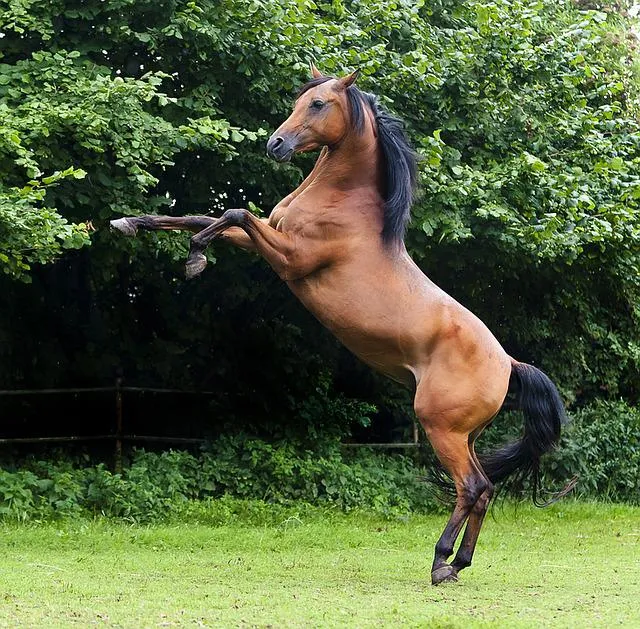 african barb horse rearing
The Barb, a prominent North African breed, boasts a history stretching back to at least the second century, becoming widely recognized by the eighth century. Though closely related to Arabians, Barbs are often described as less refined in appearance, sparking debate about their shared ancestry. These horses typically stand between 14.2 and 15.2 hands tall, featuring a muscular build, an arched neck, and elegant legs. Common coat colors include grey, black, brown, and chestnut. Renowned for their exceptional endurance, Barb horses excel in endurance riding, dressage, jumping, and pleasure riding.
Nooitgedachter
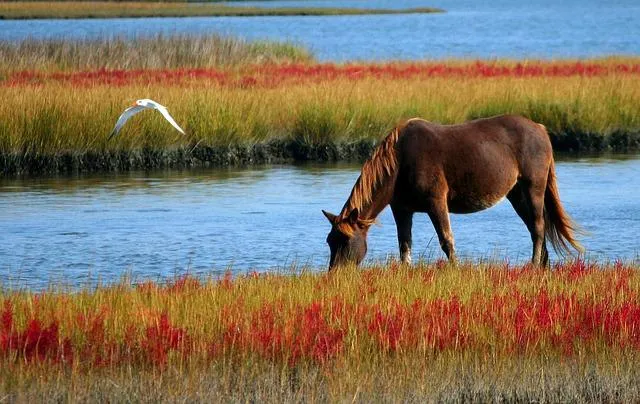 south african horse breed horse drinking water
Originating in South Africa, the Nooitgedachter is a breed developed from a cross between the Cape Horse and the Basuto pony. The Basuto Pony Project initiated the breed in 1951, implementing meticulous breeding practices to address prior inbreeding issues. With only around 400 individuals, the Nooitgedachter is a rare breed. These horses possess a strong, compact physique, noted for their durability and rideability. Standing between 13.2 and 15 hands tall, they are often found in bay, chestnut, or blue roan colors and demonstrate significant athleticism, making them well-suited for jumping and racing.
Boerperd
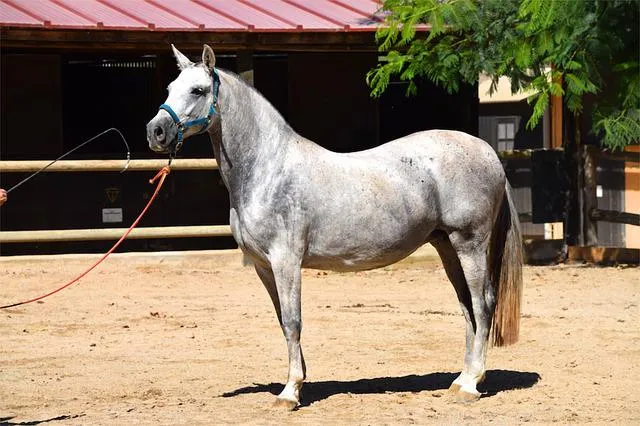 white horse stallion
The Boerperd is widely believed to be descended from the Cape Horse or the historic Boer horse. Between 1652 and 1836, Barb-Arabian hybrids were bred with Javanese, Andalusian, and Persian Arabian stock. From 1836 to 1899, the Cape Horse was further developed with Flemish stallions. Boerperd horses are characterized by an attractive, athletic build, featuring powerful, well-arched necks and strong legs. They range from 14 to 16 hands in height and come in various colors. These horses are adept at a variety of disciplines, particularly those requiring speed and agility.
Vlaamperd
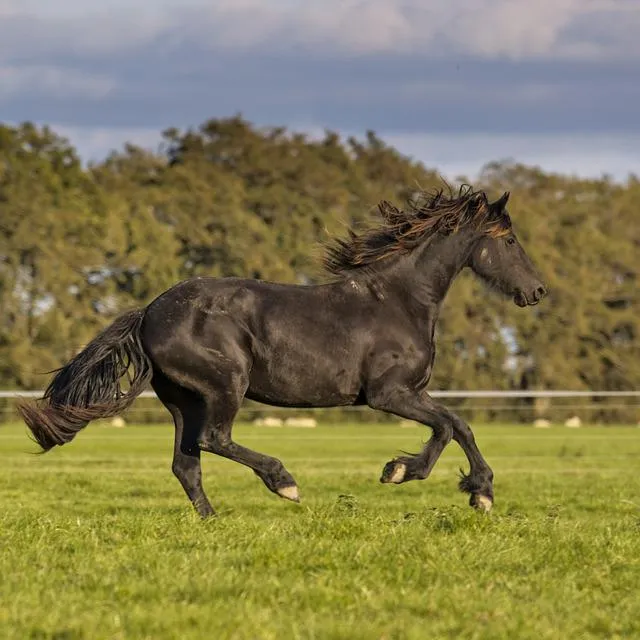 vlaamperd horse breed galloping through green field
Another South African breed, the Vlaamperd, derives its name from “Flemish horses” due to its significant Friesian heritage. Emerging in the 19th century from the now-extinct Hantam horse, only a few hundred of these unique horses exist today. Vlaamperds possess a strong yet graceful appearance, with a well-arched neck and a refined head. Predominantly black, owing to their Friesian ancestry, they stand between 14.2 and 15.2 hands tall. These elegant and versatile horses are ideal for saddle seat, dressage, hunt seat, and racing.
Fleuve
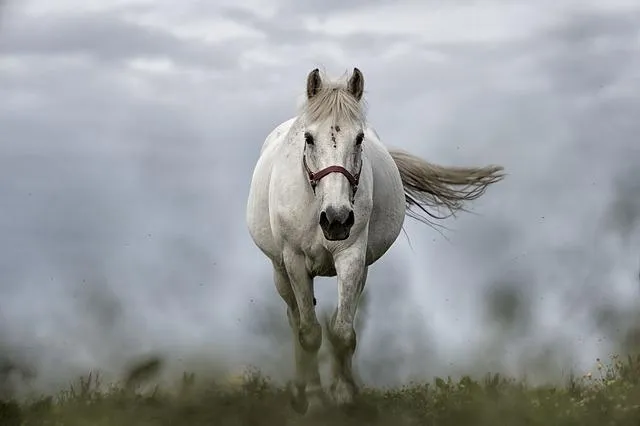 african white horse fleuve breed
The Fleuve breed, originating from Senegal, gets its name from the French word for “big river.” While their precise origins are not extensively documented, they are believed to be descendants of Barb horses and indigenous pony types. Highly valued in Senegal for racing, polo, dressage, and jumping, Fleuve horses are a significant part of the local culture. They are athletic animals with well-proportioned bodies and slender frames, typically standing 14 to 15 hands tall. Common colors include bay, grey, and chestnut.
Dongola
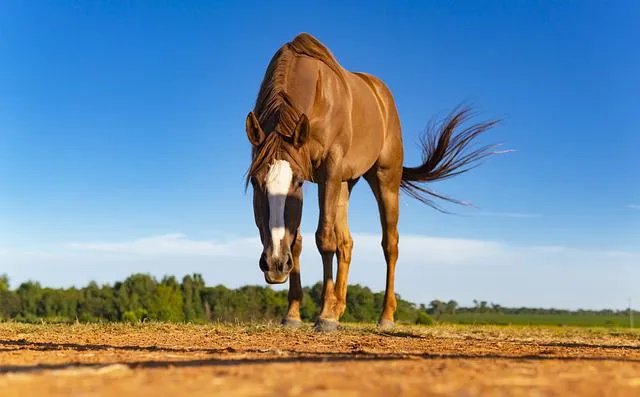 chestnut horse grazing
The Dongola, also known as the Dongolawi, is a horse breed found in Sudan, Cameroon, and Eritrea. Their ancestry traces back to Iberian horses, as well as Barb and Arabian horses that were introduced to Egypt in the 13th century. Once widespread and even exported to Ireland and Germany, the Dongola breed is less prevalent today. They are characterized by a convex profile, a light yet sturdy build, and are known as reliable riding mounts. Dongola horses, typically around 15 hands tall, usually appear in bay, chestnut, or black coat colors.
Poney du Logone
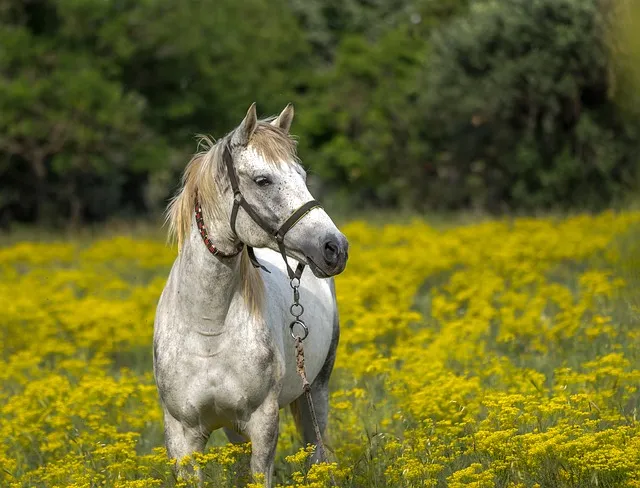 white pony grazing in the african fields
Found in Chad and Cameroon near the Logone River, the Poney du Logone is particularly favored by the Moussey people for both transportation and casual riding. These ponies stand approximately 12 hands tall and come in various colors, including bay, roan, chestnut, and grey. They possess robust legs and a muscular neck, with a slightly convex head profile.
Western Sudan Pony
The Western Sudan pony is found in the southern regions of Darfur and southwestern Kordofan. The origins of this breed are not well-documented. They often exhibit white markings and commonly appear in bay, chestnut, or grey coat colors.
Abyssinian
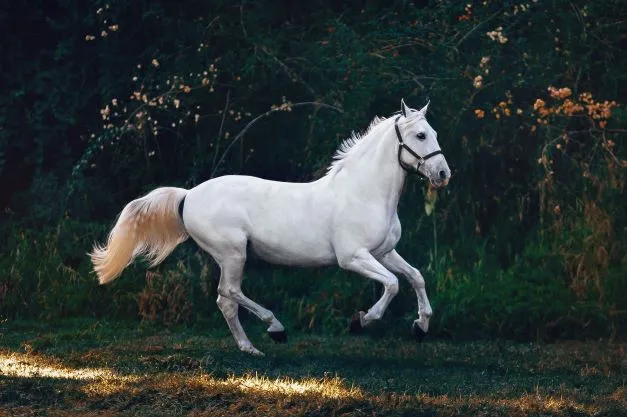 white african horse galloping
Hailing from the northern highlands of Ethiopia, the Abyssinian horse is a prevalent breed used for agriculture and transport in Ethiopia and other African nations. Initially imported to the United Kingdom in 1861 and later to America, this resilient breed thrives in hot, arid climates. Abyssinians are a light breed, typically standing 13 to 14 hands tall, and often display a swayback. They come in a variety of colors.
Namib Desert Horse
 african namib desert horse galloping through dunes
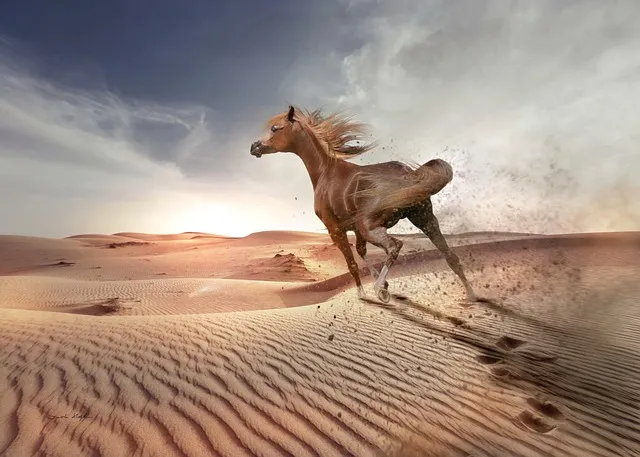
The Namib Desert Horse is a unique wild horse breed inhabiting the Namib Desert in Namibia, representing Africa’s last remaining wild horse population. While their exact origins are uncertain, it is widely believed they descend from German army and riding horses that survived World War I. These horses are remarkably strong and have adapted exceptionally well to the desert environment. An estimated 90 to 150 Namib Desert Horses roam the wilderness. This light, athletic breed, comparable to European sport horses, can exhibit dorsal stripes and are often bay or chestnut in color. Known for their agility, intelligence, and free spirit, these horses require a rider who is confident and adaptable, as they are known for their quick responses. For those seeking adventure, exploring the characteristics of desert horse breeds can offer insights into their resilience.
Conclusion: A Tapestry of African Equine Heritage
Africa hosts a diverse spectrum of horse breeds, each distinguished by its unique traits and capabilities. Whether intended for riding or agricultural work, these horses are remarkably well-suited to the African environment and play a significant role in local communities across the continent. Their robust physiques and adaptable temperaments underscore their vital contributions. If you find yourself traveling through Africa and considering a horseback experience, this guide to iconic African breeds might help you identify them in person. The Questra team hopes this information has been insightful and enjoyable. We encourage owners of African horses to share photos or use the hashtag #questraadventure on their Instagram posts.
