
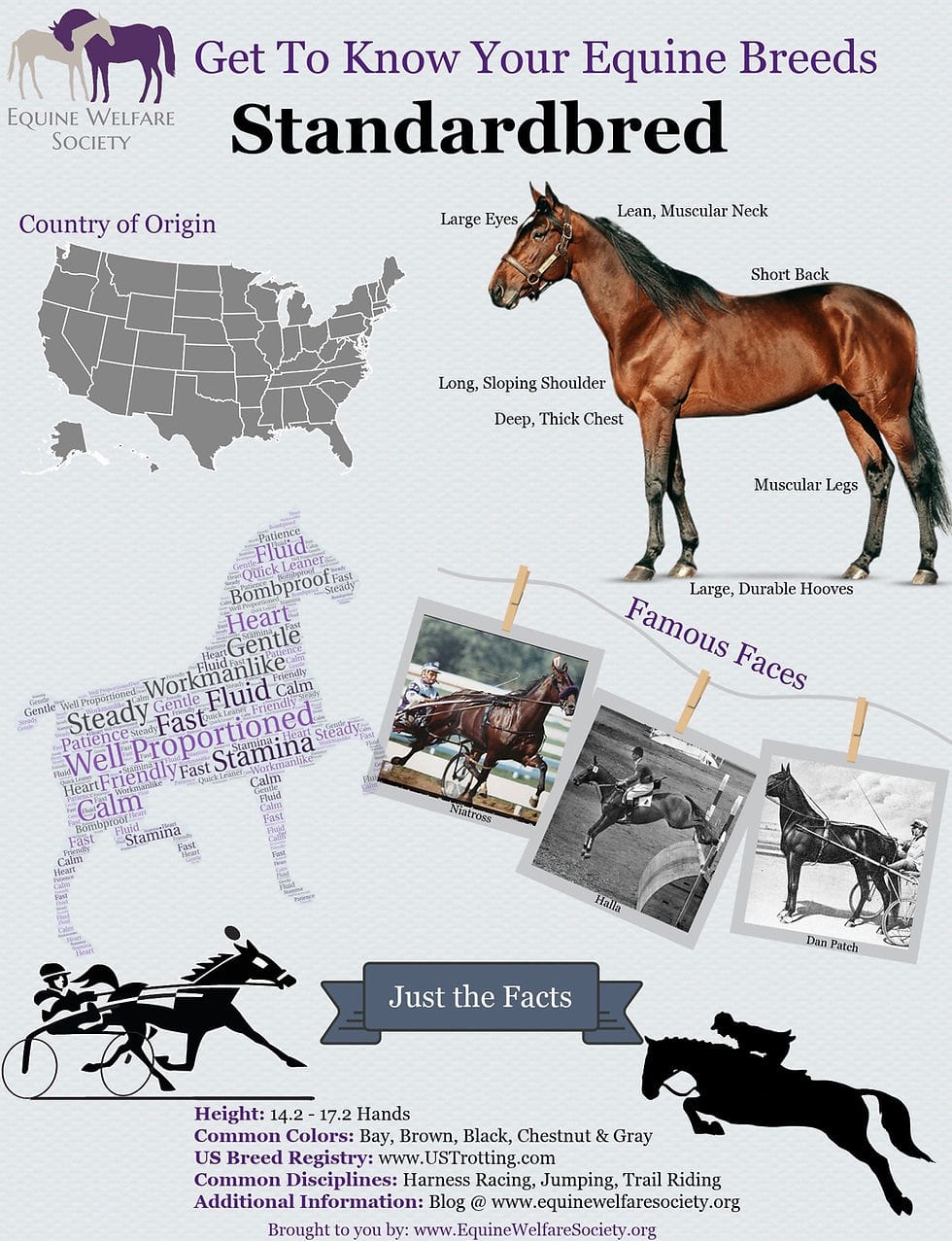
Draft horses, characterized by their immense size and powerful build, were historically bred for demanding tasks such as pulling heavy loads, agricultural work, and industrial applications. While their prevalence has waned with the advent of modern machinery, these “gentle giants” remain highly valued for their calm demeanor and strength, finding new roles in recreational activities, driving, and sustainable practices like logging and farming. Understanding their unique history, physical traits, potential health concerns, and specific nutritional requirements is crucial for their proper care and management.
A Look into Draft Horse History
The lineage of modern draft breeds can be traced back to the robust horses of Medieval Europe, often referred to as the “Great Horse,” which were instrumental in warfare due to their ability to carry heavily armored knights. However, the evolution of draft horses primarily focused on strength and stamina for agricultural and industrial labor. Throughout history, selective breeding programs in various European regions shaped these heavy horses into distinct breeds, each adapted to specific regional needs and demands. The late 19th and early 20th centuries marked a peak in their working utility, powering agriculture, construction, and transportation before mechanization led to a decline in their numbers.
Popular Draft Horse Breeds
Several distinct breeds exemplify the draft horse type, each with its own history and characteristics:
- Belgian: Known for its immense size and powerful build, often with a chestnut or sorrel coat.
- Clydesdale: Famous for its distinctive high-stepping gait, extensive feathering on the legs, and often bay or brown coloration with white markings.
- Shire: One of the tallest draft breeds, typically bay, black, or grey, also featuring significant leg feathering.
- Percheron: Originating from France, this breed is commonly grey or black and known for its elegance and athleticism among draft types.
Other notable breeds include the Auxois, Ardennes, Breton Horse, American Cream Draft, and Suffolk Punch.
Defining Characteristics of Draft Horses
Draft horses are easily identifiable by their impressive stature and conformation, specifically adapted for power and pulling.
Conformation and Build
Most draft breeds stand between 16 and 19 hands tall, with some individuals exceeding this significantly. They possess heavy bone structure, broad backs, and powerful, muscular builds. Their shoulders tend to be more upright than those of riding horses, an ideal position for harnessing and pulling. Their hindquarters are exceptionally well-muscled, providing immense strength. Large heads with straight or convex profiles, muscular necks, and large, round hooves are common features. Many breeds exhibit feathering on their lower legs.
Temperament
The term “gentle giant” aptly describes the temperament of most draft horses. They are generally known for their calm, steady, and willing dispositions, making them friendly and approachable. Despite their imposing size, they are often patient and kind, which contributes to their suitability for various disciplines, especially driving. However, their sheer size can be intimidating for inexperienced handlers.
Versatility in Disciplines
While historically working animals, draft horses are increasingly utilized in recreational pursuits. Driving is a popular discipline, showcasing their strength and control, famously demonstrated by the Budweiser Clydesdales. They also excel in pulling competitions. In environments where heavy machinery is impractical, such as sensitive forest areas, draft horses are still employed for logging. Their utility in sustainable agriculture in rural areas is also being recognized.
Health Considerations for Draft Horses
The significant size and mass of draft horses predispose them to certain health issues, some of which are genetic.
Genetic Disorders
- Polysaccharide Storage Myopathy (PSSM): This common muscular disorder involves abnormal glycogen accumulation in the muscles, leading to symptoms like tying-up. PSSM Type 1, linked to a specific gene mutation, is prevalent, with drafts often inheriting it through a single copy of the gene.
- Junctional Epidermolysis Bullosa (JEB): Primarily seen in Belgian drafts, JEB is a progressive hereditary skin disorder causing severe blistering and lesions at pressure points, often proving fatal in foals. DNA testing can help breeders avoid producing affected offspring.
Common Health Problems
- Chronic Progressive Lymphedema (CPL): Characterized by lymph buildup in the lower legs, causing swelling, skin folds, and secondary infections, CPL is particularly prevalent in heavy horses with leg feathering. While incurable, management strategies can slow its progression. Clipping feathers can aid in management and treating associated infections.
- Shivers: A neurological disorder affecting gait and hindlimb movement, shivers is caused by nerve cell degeneration and currently has no known treatment.
- Eye Problems: Draft horses may have a higher incidence of cataracts and other eye conditions, though these often do not significantly impair vision.
- Respiratory Issues: Studies indicate a high prevalence of complex upper respiratory disorders in draft horses.
- Surgical Complications: Due to their large body mass, draft horses face increased risks during general anesthesia, including nerve and muscle damage and collapsed lungs.
Essential Care and Management
Providing optimal care for draft horses involves addressing their unique needs alongside standard equine husbandry practices.
Routine Care
Regular veterinary check-ups, vaccinations, deworming, and dental care are fundamental. Consistent farrier care is vital to maintain proper hoof balance and prevent undue stress on their limbs.
Housing and Environment
Draft horses generally require more space than average-sized horses. Spacious stalls reduce the risk of them becoming cast, and robust fencing is necessary for containment. Maximizing turnout time is beneficial for circulation, aiding in the management of conditions like CPL and PSSM, and helping with shivers.
Grooming
For breeds with significant feathering, thorough grooming routines are essential to prevent moisture and debris buildup, which can lead to skin issues like pastern dermatitis.
Nutritional Needs of Draft Horses
Draft horses have specific dietary requirements due to their size and efficient metabolism, often being classified as “easy keepers.”
Weight Management and Diet Composition
Their ability to maintain weight on less feed means they are prone to obesity, increasing the risk of laminitis and other health complications. Careful weight management through appropriate feeding and body condition scoring is crucial. Their diet should be primarily forage-based, supplemented with essential vitamins and minerals. Commercial feeds and grains, often high in starch, should be used judiciously or avoided to prevent metabolic flare-ups and digestive upset.
A sample diet for a mature 2,000 lb draft horse at maintenance might include free-choice mid-quality hay, a specific amount of salt, and a comprehensive vitamin and mineral supplement like Mad Barn’s Omneity®. This ensures adequate nutrition without excessive calories or starch.
Forage and Supplements
A constant supply of forage is necessary for digestive health. A typical 2,000 lb draft horse may consume around 40 pounds of hay daily. Low-starch grass hays are often preferred, especially for horses with metabolic concerns. If weight loss is needed, slow feeders can help manage intake. For horses with PSSM, supplements like acetyl-l-carnitine can aid in energy metabolism. Ensuring adequate water intake and free-choice salt is also vital.
Consulting with equine nutritionists is recommended for developing a tailored feeding plan, especially when considering specific health conditions or performance needs. Free online diet evaluations are available to assist owners in balancing their draft horse’s nutrition.
Frequently Asked Questions
What makes draft horses unique?
Draft horses are distinguished by their impressive size, heavy bone structure, muscular build, and calm, willing temperament, earning them the name “gentle giants.” They are ideal for tasks requiring strength and steadiness.
What are common health problems in draft horses?
Health concerns include chronic progressive lymphedema (swelling in lower legs), higher risks of respiratory disorders, complications with anesthesia due to their size, and increased limb and hoof stress.
What kind of housing do draft horses need?
They require spacious stalls to prevent them from getting cast and sturdy fencing for safety. Ample turnout space promotes healthy circulation and aids in managing certain health conditions.
Are there specific genetic issues in draft breeds?
Yes, common genetic issues include polysaccharide storage myopathy (PSSM), affecting muscle glycogen, and junctional epidermolysis bullosa (JEB), a severe skin disorder in some lines. Responsible breeding practices and testing are key.
Summary
Draft horses are massive, gentle breeds developed for heavy farm and industrial work and still valued for their calm temperaments. Descended from Europe’s “Great Horse,” they once pulled farm equipment, wagons, and heavy loads, though their numbers declined with the rise of machinery. They typically stand 16–19 hands with muscular frames, upright shoulders, and large hooves. Popular breeds include the Belgian, Clydesdale, Shire, and Percheron. Today, these friendly, steady “gentle giants” are used for driving, logging, and recreation. Key health considerations include polysaccharide storage myopathy, chronic progressive lymphedema, shivers, and higher anesthesia risks. Their care involves forage-based diets with balanced vitamins and minerals, managing obesity risk through regular hoof care, ample turnout, and spacious housing.
