
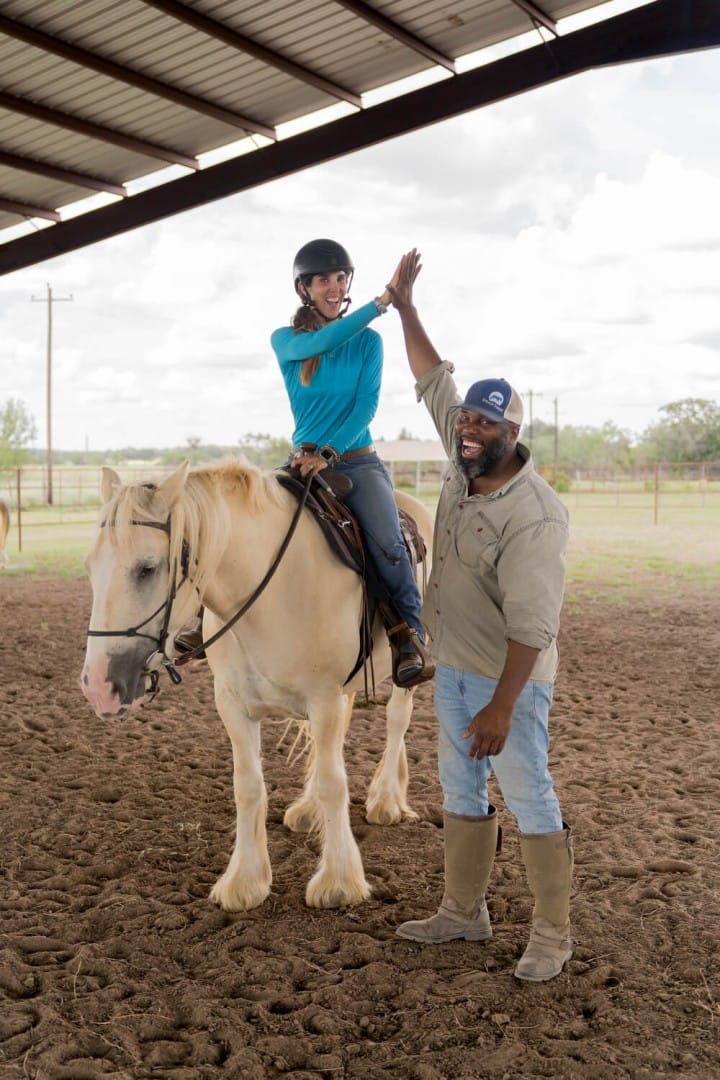
The partnership between a horse and their trainer is a unique dance of trust, communication, and mutual respect. It’s a relationship that goes far beyond simple instruction, delving into a deep understanding that can only be forged through dedication and shared experiences. Whether aiming for the winner’s circle, the tranquility of a trail ride, or the finesse of a dressage arena, the quality of this human-equine bond is paramount to success and well-being. This journey is not just about teaching a horse to perform tasks; it’s about unlocking their potential, building their confidence, and ensuring their physical and mental health, all while developing a profound connection that enriches both lives.
Origins of the Equine-Human Partnership
From the earliest days of domestication, horses have been integral to human civilization. Their strength, speed, and temperament made them indispensable for transportation, agriculture, and warfare. This long history has bred an innate ability in horses to understand human cues and work alongside us. The evolution of this relationship has seen a shift from pure utility to a more nuanced partnership focused on sport, companionship, and therapy. This historical context highlights the deep-seated potential for collaboration that exists between humans and horses, a potential that trainers expertly harness.
Identifying the Ideal Horse and Trainer Match
Finding the right horse for a specific trainer, or the right trainer for a particular horse, is crucial. It’s about more than just skill; it’s about temperament, physical build, and even personality. A trainer’s approach should align with a horse’s individual needs and learning style. Similarly, a horse’s disposition and physical capabilities must suit the trainer’s goals and experience level. This matching process, often overlooked, forms the bedrock of a successful and harmonious partnership.
Key Considerations for Matching:
- Temperament: Is the horse naturally calm or spirited? Does the trainer prefer a quick learner or a more methodical approach?
- Physicality: Does the horse have the build and soundness for the intended discipline? Does the trainer have the physical capability to handle the horse?
- Experience Level: Is the horse a green beginner, or has it been trained extensively? Does the trainer specialize in starting young horses or advanced training?
- Goals: Are the aspirations focused on competition, pleasure riding, or a specific equestrian discipline?
The Art of Horse Training: Building Communication and Trust
At its core, horse training is about establishing clear communication. This involves understanding equine body language, vocalizations, and behavioral cues, and responding in a way the horse can interpret. Trainers use a variety of methods, from classical dressage principles to more modern, science-based approaches, all aimed at fostering trust and encouraging willing cooperation.
Essential Training Principles:
- Clear and Consistent Cues: Using distinct aids (voice, leg, hand, seat) that the horse learns to associate with specific actions.
- Positive Reinforcement: Rewarding desired behaviors to encourage repetition and build a positive association with training. This can include praise, a gentle scratch, or a moment of rest.
- Understanding Equine Psychology: Recognizing that horses are prey animals and their responses are often rooted in instinct. Training must account for their natural flight response and build confidence.
- Patience and Repetition: Mastery takes time. Consistent, short training sessions are often more effective than infrequent, long ones.
Disciplines and Specialized Training
The world of equestrian sports is vast, with each discipline requiring specialized training approaches. Whether it’s the elegance of dressage, the speed of show jumping, the grit of cross-country, or the finesse of reining, trainers must tailor their methods to the specific demands of the sport.
Examples of Specialized Training:
- Dressage: Focuses on precision, obedience, and the horse’s ability to perform a series of intricate movements with grace and control. Trainers work on suppleness, balance, and responsiveness to the lightest aids.
- Show Jumping: Requires athleticism, bravery, and carefulness. Training involves developing the horse’s jumping technique, rhythm, and ability to navigate challenging courses at speed.
- Western Disciplines (e.g., Reining): Emphasize a horse’s ability to perform complex maneuvers like spins, sliding stops, and lead changes with a relaxed and collected demeanor, often at the end of a loose rein. Trainers focus on finesse, responsiveness, and a deep understanding of the horse’s cues.
The Trainer’s Role in Equine Welfare
Beyond skill and performance, a top-tier horse trainer is a staunch advocate for the horse’s welfare. This means prioritizing the horse’s physical health, mental well-being, and overall quality of life. A responsible trainer ensures proper nutrition, adequate rest, appropriate veterinary and farrier care, and avoids any practices that could cause undue stress or harm. The commitment to the horse’s well-being is a hallmark of true excellence in training.
E-E-A-T in Horse Training:
- Experience: Trainers with years of hands-on experience develop an intuitive understanding of horses that cannot be taught.
- Expertise: Deep knowledge of equine anatomy, physiology, behavior, and learning theory is essential.
- Authoritativeness: A trainer recognized for their successful methods and ethical practices builds authority in the field. This could be through competitive success, positive client testimonials, or contributions to equine education.
- Trustworthiness: Clients and horses alike must trust the trainer’s judgment and intentions. Transparency in methods and a genuine care for the horse’s welfare are key.
The Future of Horse Training
As our understanding of equine behavior and learning evolves, so too does the art of horse training. Modern trainers are increasingly integrating scientific research with practical experience, focusing on methods that are not only effective but also promote a more profound partnership and enhance the horse’s quality of life. The future promises even more innovative approaches, further strengthening the incredible bond between Horse And Trainer. For those interested in the intricate world of equestrian partnerships, resources on horse care and training can offer deeper insights.
Understanding the nuances of training, from foundational principles to specialized techniques, is key for anyone involved in the equestrian world. The journey of a horse and trainer is a continuous learning process, rewarding those who approach it with knowledge, empathy, and a deep respect for these magnificent animals.
