
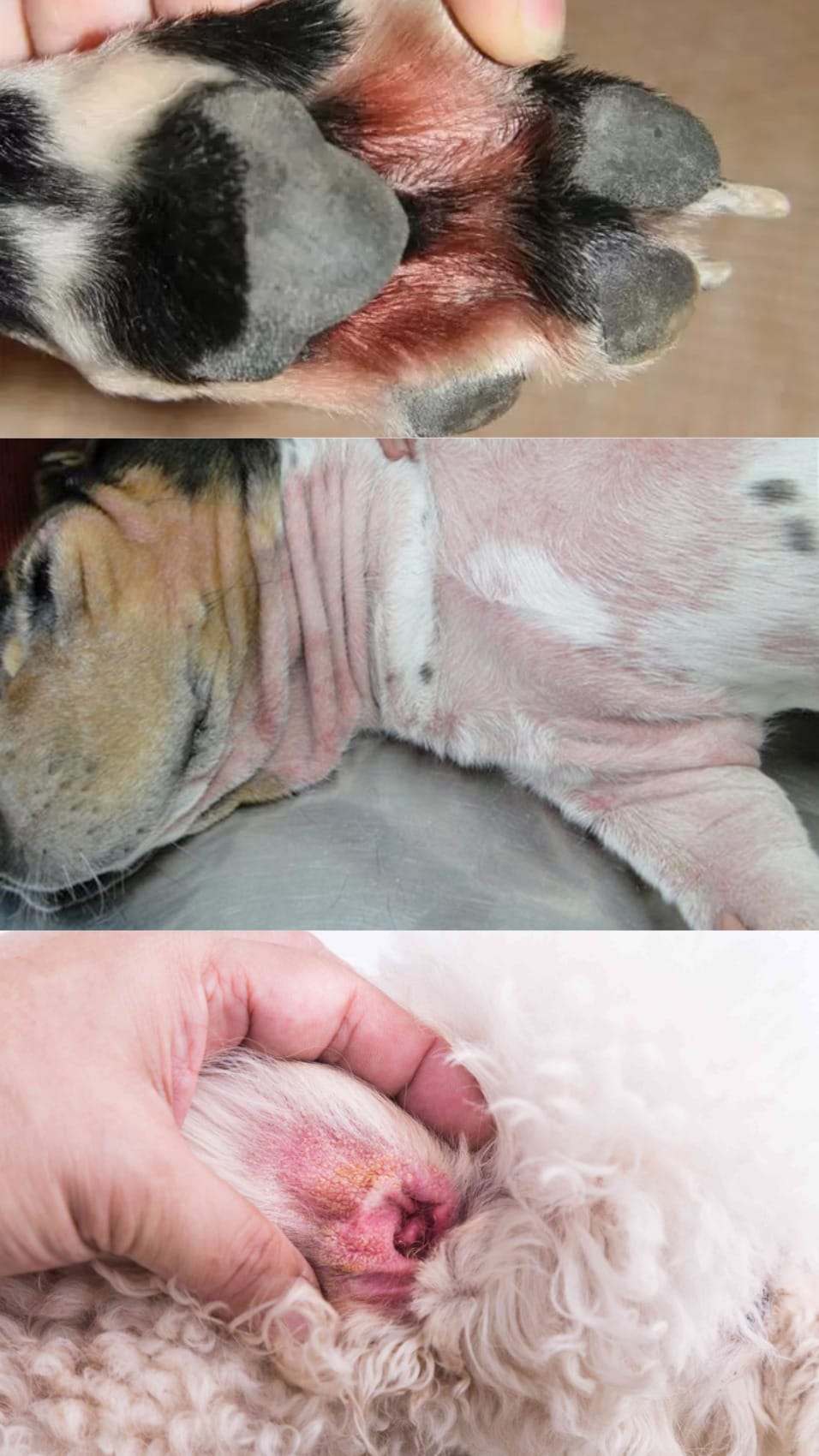
Yeast infections, particularly those affecting the skin, are a common and often uncomfortable issue for dogs. If you’ve noticed your canine companion scratching excessively, or if there’s a noticeable odor and irritation, a yeast infection might be the culprit. This comprehensive guide aims to demystify yeast infections in dogs, covering their causes, symptoms, treatment options, and preventative measures to help keep your furry friend healthy and comfortable.
What Exactly Is a Dog Yeast Infection?
A yeast infection in dogs is a fungal infection. While these are common, they often indicate an underlying issue, typically a weakened immune system, which prevents the dog’s body from keeping the naturally occurring yeast on its skin in check. Yeast infections can be broadly categorized into two types: systemic and localized (skin) infections. Systemic infections are less common and affect internal organs, while skin yeast infections, scientifically known as Malassezia dermatitis, are far more prevalent.
Systemic Fungal Infections in Dogs
Systemic fungal infections occur when fungi penetrate a dog’s body, potentially affecting organs, eyes, lungs, or bones. These infections are usually caused by foreign fungi, often inhaled from sources like soil contaminated with bird droppings or rotting wood.
Four Common Types of Systemic Fungal Infections:
- Nasal Aspergillosis: Caused by inhaling fungal spores found in grass clippings, hay, or dust, this affects the respiratory system, particularly the nose. Symptoms include a runny or bloody nose, sneezing, and wheezing.
- Cryptococcosis: Fungal spores, often spread by pigeon droppings, enter the body through the nose. Symptoms can include lethargy, a head tilt, lack of coordination, sneezing, and eye discharge.
- Blastomycosis: This fungus, found in wet soil and decaying wood, typically affects the lungs. Dogs frequenting swampy areas are at higher risk. Signs include coughing, lethargy, fever, and loss of appetite.
- Lower Urinary Fungal Infection: Though uncommon, these infections can affect the kidneys, bladder, and urinary tract, sometimes linked to surgical catheters, diabetes, or concurrent bacterial infections. Symptoms may include difficulty urinating, frequent urination, blood in urine, and excessive grooming of the urinary area.
Treatment for systemic fungal infections requires veterinary intervention, usually involving oral antifungal medications.
Skin Yeast Infections in Dogs (Malassezia Dermatitis)
Skin yeast infections are far more common than systemic ones and remain on the surface of the dog’s skin, though they can spread or become confined to areas like the ears or paws. These infections are characterized by itchiness, discomfort, and can lead to sores, bleeding, and hair loss if left untreated.
Causes of Skin Yeast Infections:
Unlike systemic infections, skin yeast infections are usually secondary, meaning they occur because the dog’s immune system is compromised.
- Weakened Immune Systems: Dogs with allergies, cancer, diabetes, or other illnesses often have compromised immune systems that cannot keep the naturally occurring Malassezia yeast under control.
- Medications: Antibiotics can eliminate beneficial bacteria that help neutralize yeast. Steroids and other immune-suppressing medications can also allow yeast to proliferate.
- Other Contributing Factors: Certain breeds are genetically predisposed due to their coat type, skin folds, or allergies. Environmental factors like humidity can also play a role.
Breeds Prone to Skin Yeast Infections:
While any dog can develop a yeast infection, some breeds are more susceptible, including French Bulldogs, Boston Terriers, Poodles, Basset Hounds, Shar-Pei, Pugs, Cocker Spaniels, Chihuahuas, Dachshunds, German Shepherds, and Labrador Retrievers, among others.
Common Locations for Yeast Infections:
Yeast thrives in warm, damp environments. Therefore, areas like the ears, belly, and paws are particularly prone to infections.
- Dog Ear Yeast Infection: Characterized by excessive scratching, head shaking, a foul odor, and discharge.
- Dog Paw Yeast Infection: Symptoms include persistent licking and chewing of the paws, redness, and a distinct odor.
Signs and Symptoms of a Yeast Infection:
- Red, itchy skin
- Yellow or green discharge
- Rancid odor
- Sores, patches, or crusting
- Hair loss
- Oily or greasy coat
- Thickened skin
- Ear infections and scratching
- Paw licking and scratching
Diagnosing a Skin Yeast Infection:
A veterinarian can diagnose a yeast infection through cytology, which involves examining a sample of the infected skin under a microscope. Common methods for collecting samples include skin scraping, swabbing, impression smears, tape transfers, or skin biopsies. The vet will look for the characteristic ovular or peanut-shaped Malassezia yeast.
Treating Yeast Dermatitis:
Treatment depends on the severity and location of the infection.
Home Remedies:
While not scientifically proven, some owners find success with:
- Dietary Boosts: Plain yogurt, probiotics, fermented vegetables, and coconut oil.
- Topical Treatments: Coconut oil, vinegar rinse, witch hazel, hydrogen peroxide, anti-fungal shampoos, and tea tree oil (use with caution and proper dilution).
Veterinary Treatments:
- Topical Treatment: Medicated anti-fungal shampoos containing miconazole, ketoconazole, or chlorhexidine are often prescribed. These should be left on the coat for at least 10 minutes. Pre-shampoos may be needed for dogs with oily or thick coats.
- Oral Treatment: For severe infections, vets may prescribe oral antifungal medications like fluconazole, terbinafine, ketoconazole, or itraconazole.
Preventing Dog Yeast Infections
Preventing yeast infections involves managing the conditions that allow yeast to thrive and supporting your dog’s overall health.
- Keep Your Dog’s Skin and Fur Dry: Thoroughly dry your dog after baths, swimming, or rain, paying attention to skin folds and between toes. Consider trimming fur for breeds prone to trapping moisture.
- Bathe Regularly: Especially in humid climates or for dogs prone to infections.
- Keep Ears Clean and Dry: Dry ears after water exposure and clean them regularly to reduce yeast presence.
- Keep Paws Clean and Dry: Rinse paws after walks and monitor for excessive licking.
- Support Your Dog’s Immune System: Address any underlying health issues identified by your vet. Feed a nutritious diet rich in leafy greens, probiotics, and other vegetables. Encourage physical activity and consider immune-boosting supplements.
By understanding the causes and symptoms of yeast infections and implementing preventative measures, you can help your dog avoid discomfort and maintain a healthy, happy life. If you suspect your dog has a yeast infection, always consult your veterinarian for an accurate diagnosis and appropriate treatment plan.
