
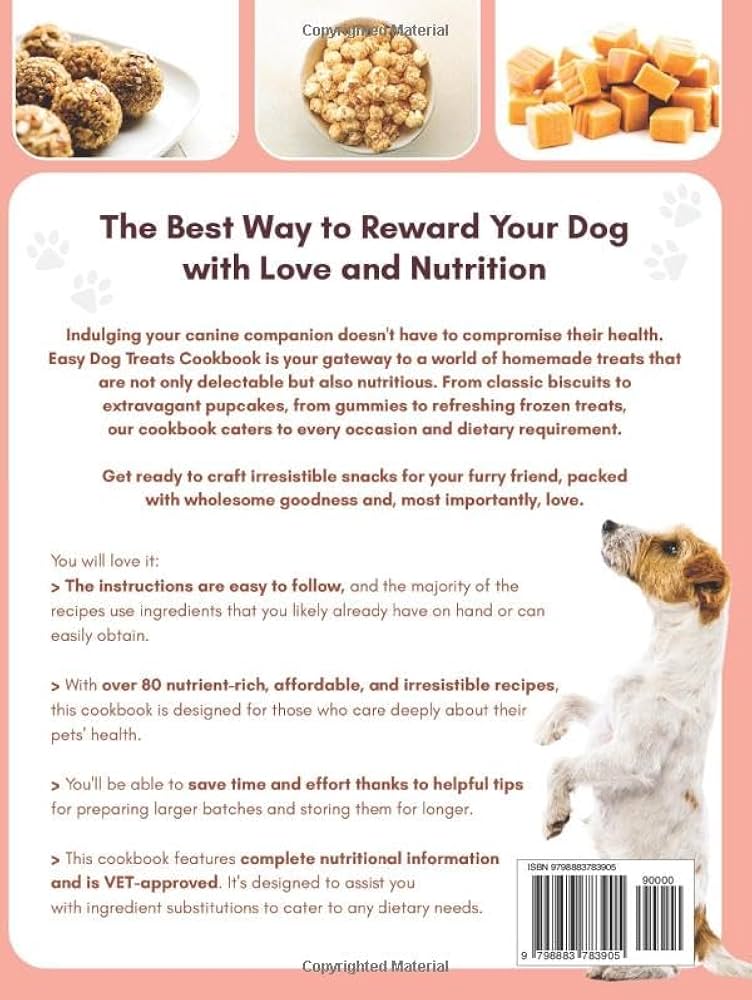
There’s a special kind of magic that happens in the kitchen. The simple act of combining ingredients to create something delicious is a universal joy, and it’s even more rewarding when it’s for your four-legged best friend. Making Homemade Dog Training Treats is more than just a cost-saving measure; it’s an act of love that strengthens your bond, ensures your pup gets the best nutrition, and supercharges your training sessions. Forget the store-bought options with their long, unpronounceable ingredient lists. We’re diving into the wonderfully simple world of creating your own high-value rewards that will have your dog eagerly awaiting your next command. Whether you’re a seasoned baker or a complete novice, you’ll discover how easy and fulfilling it is to become your dog’s personal chef. For a broader look at what makes a great reward, understanding the principles behind the best treats for dog training can provide valuable context.
Why Bother Making Your Own Dog Treats?
In a world of endless convenience, taking the time to make something from scratch might seem like a hassle. But when it comes to your dog’s treats, the benefits of going homemade are impossible to ignore. It’s about quality control, customization, and connection.
Complete Control Over Ingredients
The number one reason pet parents switch to homemade is control. You know exactly what’s going into your dog’s body. This is a game-changer for dogs with allergies, sensitive stomachs, or specific dietary needs.
- Allergy Management: If your dog is allergic to common proteins like chicken or grains like wheat, you can simply omit them. You can create unique recipes using novel proteins or grain-free flours that cater specifically to their needs.
- No Fillers or Preservatives: Many commercial treats are packed with cheap fillers like corn and soy, artificial colors, and chemical preservatives to extend shelf life. At home, you use whole, fresh ingredients, maximizing nutritional value without any of the junk.
- Calorie Conscious: When you’re training, treats can add up quickly. By making your own, you can create effective and low calorie dog treats for training that won’t derail your dog’s diet.
Enhanced Training Motivation
Dogs, like us, appreciate variety and quality. A super-tasty, high-value treat can make the difference between a dog who is mildly interested in training and one who is laser-focused on you. The fragrant aroma of a homemade meat or peanut butter treat is far more enticing than a dry, processed biscuit. This elevated appeal makes your dog more motivated to work for the reward, leading to faster learning and more successful training sessions.
As renowned dog behaviorist Dr. Sarah Miller often says, “A high-value reward captures a dog’s attention in a way that verbal praise alone cannot. The scent and flavor of a treat made with real, wholesome ingredients can turn a difficult training challenge into an enthusiastic learning opportunity.”
It’s a Bonding Experience
The process itself is a form of enrichment for you and your dog. The delicious smells wafting from the oven will capture their attention, and they’ll likely be a very willing assistant (or at least, a very hopeful floor-cleaner). Sharing these moments and the fruits of your labor strengthens the unique connection you have with your canine companion.
Kitchen Essentials: The Good and The Bad
Before you start baking, it’s crucial to understand which pantry staples are dog-friendly and which are dangerous. Your kitchen is full of potential ingredients, but not all human foods are safe for canine consumption.
Safe & Healthy Ingredients for Your Pup
These ingredients are generally safe and offer nutritional benefits, making them perfect for your homemade creations.
- Lean Proteins: Cooked, unseasoned chicken, turkey, beef, and salmon are fantastic. They are high in protein and highly motivating.
- Fruits & Veggies: Pumpkin puree (100% pure pumpkin, not pie filling) is great for digestion. Sweet potatoes are a source of fiber and vitamins. Carrots, green beans, and blueberries are also excellent, low-calorie options.
- Flours: Whole wheat flour is fine for most dogs, but oat flour or chickpea flour are excellent grain-free alternatives.
- Binding Agents: Eggs and unsweetened applesauce work well to hold your treats together.
- Healthy Fats: Natural peanut butter (ensure it’s Xylitol-free), coconut oil, and flax seeds can be used in moderation.
Dangerous Ingredients to AVOID
This is not an exhaustive list, but these are some of the most common and dangerous human foods for dogs. Always double-check an ingredient if you are unsure.
- Xylitol: This artificial sweetener is extremely toxic to dogs and is often found in sugar-free peanut butter, candy, and some baked goods.
- Onions & Garlic: All forms (powdered, raw, cooked) are toxic and can damage a dog’s red blood cells.
- Grapes & Raisins: These can cause acute kidney failure.
- Chocolate: Contains theobromine, which is toxic to dogs. The darker the chocolate, the more dangerous it is.
- Macadamia Nuts: These are highly poisonous to dogs.
- Excess Salt & Sugar: While not acutely toxic, large amounts can lead to health problems over time.
Simple & Irresistible Homemade Recipes
You don’t need to be a pastry chef to whip up treats your dog will love. These recipes use minimal ingredients and simple steps, making them perfect for beginners. Remember, training treats should be small—about the size of a pea—so you can reward frequently without overfeeding.
Recipe 1: Classic Peanut Butter & Pumpkin Bites
This is a go-to recipe that’s both delicious and great for sensitive stomachs.
Ingredients:
- 1 cup whole wheat flour (or oat flour for a grain-free option)
- 1/2 cup pure pumpkin puree
- 1/4 cup natural peanut butter (Xylitol-free)
- 1 egg
Instructions:
- Preheat your oven to 350°F (175°C).
- In a large bowl, mix the pumpkin puree, peanut butter, and egg until well combined.
- Gradually add the flour, mixing until a stiff dough forms.
- Roll the dough out on a lightly floured surface to about 1/4 inch thickness.
- Use a knife or a small cookie cutter to cut the dough into tiny, training-sized pieces.
- Place the treats on a baking sheet lined with parchment paper.
- Bake for 20-25 minutes, or until golden and firm. For a crunchier treat, turn the oven off and let them cool inside.
Recipe 2: Savory Salmon & Sweet Potato Jerky
This two-ingredient recipe is perfect for picky eaters and dogs with poultry allergies.
Ingredients:
- 1 large sweet potato
- 1 can of salmon (in water, no salt added), drained
Instructions:
- Preheat your oven to 200°F (95°C).
- Wash and peel the sweet potato. Cut it into very thin, uniform slices.
- Mash the drained salmon in a small bowl.
- Spread a very thin layer of the mashed salmon onto one side of each sweet potato slice.
- Arrange the slices in a single layer on a baking sheet.
- Bake for 2-3 hours, flipping halfway through. The jerky is done when it’s dry and leathery. Cooking time will vary based on the thickness of your slices.
Recipe 3: No-Bake Frozen Yogurt & Berry Pupsicles
Perfect for a refreshing reward on a warm day or for teething puppies.
Ingredients:
- 1 cup plain, unsweetened yogurt (ensure it contains no artificial sweeteners)
- 1/2 cup mixed berries (blueberries and strawberries work well)
Instructions:
- Add the yogurt and berries to a blender.
- Blend until smooth.
- Pour the mixture into an ice cube tray or small silicone molds.
- Freeze for at least 4 hours, or until solid.
- Pop out a frozen treat for a cool and healthy reward.
Storing Your Homemade Dog Treats
Since your homemade treats don’t contain preservatives, they won’t last as long as store-bought varieties. Proper storage is key to keeping them fresh and safe.
- Crunchy Treats: For baked treats like the Peanut Butter & Pumpkin Bites, allow them to cool completely. Store them in an airtight container at room temperature for up to a week. For longer storage, they can be refrigerated for 2-3 weeks or frozen for up to 3 months.
- Soft or Meaty Treats: Jerkies and other soft treats have a higher moisture content and should be stored in an airtight container in the refrigerator for 3-5 days. They also freeze exceptionally well.
- Frozen Treats: Keep these in the freezer in a sealed bag or container for up to 2 months for the best quality.
Tips for Training with Homemade Treats
Creating the treats is only half the fun; using them effectively is what builds good behavior. The principles of a good training regimen, such as those found in the new skete dog training philosophy, emphasize consistency and clear communication, which is where the right treat comes in.
- Size Matters: Keep the treats tiny. Your dog gets the reward’s flavor and scent in an instant, and you can give many rewards without adding too many calories.
- Timing is Everything: Deliver the treat immediately after your dog performs the desired behavior. This clear and instant reinforcement helps them understand exactly what they did right.
- Don’t Bribe, Reward: A reward is given after a behavior; a bribe is shown beforehand to coax the behavior. Keep the treats hidden until it’s time to reward your dog.
Making homemade dog training treats is an incredibly rewarding process that benefits you and your dog in so many ways. It allows you to provide nutritious, delicious, and highly motivating rewards that will make your training sessions more effective and your bond stronger than ever. So tie on that apron, pull out the mixing bowls, and get ready to see your dog’s tail wag like never before.
Frequently Asked Questions (FAQ)
1. How long do homemade dog training treats last?
It depends on the recipe. Crunchy, well-baked treats can last for about a week in an airtight container at room temperature. Softer treats or those with meat should be refrigerated and used within 3-5 days. For long-term storage, freezing is the best option for almost any homemade treat.
2. Can I substitute different flours in the recipes?
Yes, you can easily substitute flours based on your dog’s needs. If your dog is sensitive to wheat, you can use oat flour, rice flour, or chickpea flour as a grain-free alternative. Note that different flours have different absorbencies, so you may need to slightly adjust the amount of liquid.
3. Are homemade treats cheaper than store-bought ones?
Generally, yes. By using common pantry staples like flour, eggs, and pumpkin, you can make large batches of treats for a fraction of the cost of buying premium, natural treats from a store. The cost savings are even more significant if you’re buying specialized treats for dogs with allergies.
4. What if my dog is a picky eater?
The beauty of homemade treats is customization! If your dog is picky, try to identify a flavor profile they love. Many dogs are highly motivated by smelly foods. Consider using ingredients like salmon, a tiny bit of cheese, or beef liver to create an irresistible aroma and taste.
5. How do I know if an ingredient is safe for my dog?
When in doubt, always consult your veterinarian or a reputable source like the ASPCA Animal Poison Control Center website. It’s better to be safe and avoid an ingredient if you are unsure about its potential toxicity. Stick to well-known safe foods to be extra cautious.
