
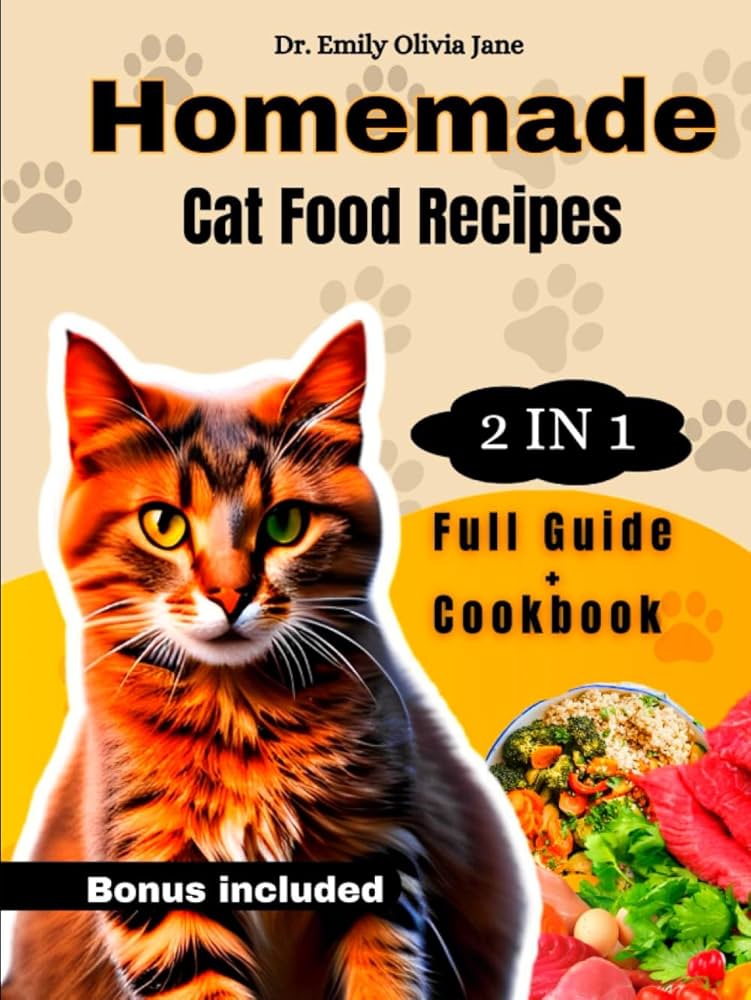
As dedicated pet owners, our primary goal is to ensure our feline companions lead long, healthy lives. While the quality and variety of commercial cat food have significantly improved, many owners are exploring the option of preparing homemade meals for their cats. This article delves into the world of homemade cat food, discussing its benefits, the drawbacks of highly processed diets, and offering two distinct turkey and pumpkin recipes – one cooked and one raw. We will also weigh the pros and cons of incorporating a raw diet for your cat.
Understanding Homemade Cat Food
When considering homemade cat food, it is paramount to understand the intricate dietary requirements of cats. As a veterinarian, I cannot stress enough the importance of a balanced diet. While preparing homemade meals is a loving gesture, it is crucial to ensure every recipe provides essential nutrients, trace minerals, organ meat, and taurine. Cats, as obligate carnivores, have unique nutritional needs that differ vastly from humans. Insufficient intake of these vital components can lead to a spectrum of health problems, including poor coat quality, a compromised immune system, digestive disturbances, and even life-threatening conditions.
Homemade pet food allows for unparalleled control over ingredient quality. You know precisely what goes into your cat’s meals, enabling you to customize their diet to their specific needs. Furthermore, homemade options can be free from the preservatives, additives, and artificial chemicals often found in commercial pet foods. This approach aligns with the common sentiment: “If you want something done right, do it yourself.” This is a primary motivation for many owners transitioning to homemade cat food, especially when their cats are unhappy with commercial options.
Ensuring Your Cat’s Specific Dietary Needs Are Met
DIY homemade cat food is an excellent solution for tailoring your cat’s diet. Contrary to some misconceptions, serving homemade meals can be exceptionally healthy and nutritious. The versatility of this approach allows for a truly customized meal plan to suit your cat’s individual requirements. The variety of readily available online resources and supplements makes creating specialized cat meals more accessible than ever.
Raw vs. Cooked Homemade Cat Food
A raw diet typically consists of uncooked meat, bones, and organs. Proponents believe this is a more natural approach, providing cats with essential nutrients in their most bioavailable form. However, potential risks associated with raw feeding include bacterial contamination (such as Salmonella and E. coli), the challenge of achieving a nutritionally complete and balanced diet, and the possibility of bones causing intestinal blockages or choking hazards. If you are considering a raw diet, consulting with your veterinarian is essential to ensure your cat’s nutritional needs are met while minimizing potential risks.
Cooked homemade cat food, on the other hand, involves preparing meals that have undergone a cooking process. This method can significantly reduce the risk of bacterial contamination associated with raw ingredients. While some nutrients might be altered during cooking, a properly balanced cooked diet can still provide excellent nutrition for your cat.
The Benefits of Wet/Canned Food for Cats
Canned cat food, or wet food, offers several advantages. Cats have a naturally low thirst drive and are adapted to obtain most of their hydration from their prey. Wet food typically contains a high moisture content (around 75% or more), which is crucial for promoting hydration, supporting kidney function, and maintaining urinary tract health. This helps prevent issues like urinary crystals or blockages.
Wet food is often more palatable for cats due to its appealing aroma and flavor. This can be particularly beneficial for finicky eaters or cats recovering their appetite after an illness, ensuring they consume adequate nutrients. Digestibility is another key advantage, as the moisture and texture of wet food can aid digestion and help prevent constipation or hairballs. Furthermore, the higher moisture content and lower calorie density of wet food can assist in weight management by promoting satiety with smaller portions, thus reducing the risk of obesity. However, it’s vital to choose high-quality brands that prioritize animal protein sources and avoid unnecessary fillers or artificial additives.
This is precisely why homemade cat food can be superior, offering complete control over ingredients and eliminating artificial flavorings, preservatives, and unpronounceable chemicals.
The Downsides of Kibble
While convenient, kibble (dry cat food) is often highly processed and may contain fillers, artificial flavors, and preservatives that offer no nutritional value. Over time, a diet primarily composed of highly processed food can contribute to health problems such as obesity, allergies, and digestive issues. Dry food requires carbohydrates to maintain its structure, which are not a biological necessity for cats, as they are obligate carnivores requiring a meat-based diet.
Homemade Cat Food Recipe: Cooked Turkey and Pumpkin
Ingredients:
- 1 pound ground turkey
- 2 tablespoons coconut oil
- 1/4 cup pumpkin puree (plain, not pie filling)
- 2 tablespoons finely chopped broccoli sprouts, micro-greens, or parsley (optional)
- 3/4 cup water or low-sodium bone broth
- 2 tablespoons Holistic Vet Blend Feline Premix
- 1/2 teaspoon Holistic Vet Blend Icelandic Omega-3 fish oil
Instructions:
- Sauté the ground turkey in coconut oil in a large skillet over medium heat until no pink remains, approximately 6-8 minutes.
- Add the optional greens and cook for an additional 2-3 minutes.
- Remove the skillet from heat. Stir in the water or bone broth.
- Add the Feline Premix and Omega-3 fish oil.
- Blend to your desired consistency using a food processor or an immersion blender.
- If you will not use the food within 4 days, freeze portions in airtight containers.
This recipe yields approximately 1.5 pounds of food. For multi-cat households, consider tripling the recipe and freezing in single-serving portions for convenience and to reduce packaging waste. This recipe can be adapted to other proteins if your cat enjoys variety.
Raw Turkey and Pumpkin Homemade Cat Food Recipe
Ingredients:
- 1 pound ground turkey
- 3/4 cup canned pumpkin puree (plain, not pie filling)
- 2 tablespoons coconut oil
- 2 tablespoons finely chopped broccoli sprouts, micro-greens, or parsley (optional)
- 2 tablespoons Holistic Vet Blend Feline Premix
- 1/2 teaspoon Holistic Vet Blend Icelandic Omega-3 fish oil (or one 3.5-ounce tin of sardines in water)
Instructions:
- In a large bowl, combine the pumpkin puree, coconut oil, Feline Premix, and Omega-3 fish oil.
- Add the ground turkey and optional greens to the bowl. Mix thoroughly until all ingredients are well incorporated.
- Serve immediately or freeze the remaining portions in 1/2 cup servings for future use. Using a muffin tin can help measure consistent portions before freezing.
This recipe also yields approximately 1.5 pounds of food. Once frozen, store the portions in an airtight container and thaw before feeding.
What to Avoid When Making Your Own Cat Food
Cats, as obligate carnivores, do not require carbohydrates in their diet. Their digestive systems are not optimally equipped to metabolize plant matter, and while fiber can be beneficial for digestive health, carbohydrates are not a biological necessity. They often serve as a supplementary ingredient in commercial foods, and their absence in a homemade diet can be beneficial for many cats. When formulating homemade cat food, focus on high-quality animal protein sources and essential fats, vitamins, and minerals, consulting with a veterinary nutritionist to ensure all requirements are met.
In conclusion, homemade cat food can be a highly nutritious and beneficial option for your feline companion. By meticulously controlling ingredients and omitting unnecessary fillers and preservatives, you can craft a diet perfectly suited to your cat’s unique needs. Whether opting for a cooked or raw preparation, always consult with your veterinarian to confirm your cat is receiving all the essential nutrients for optimal health and well-being.
