
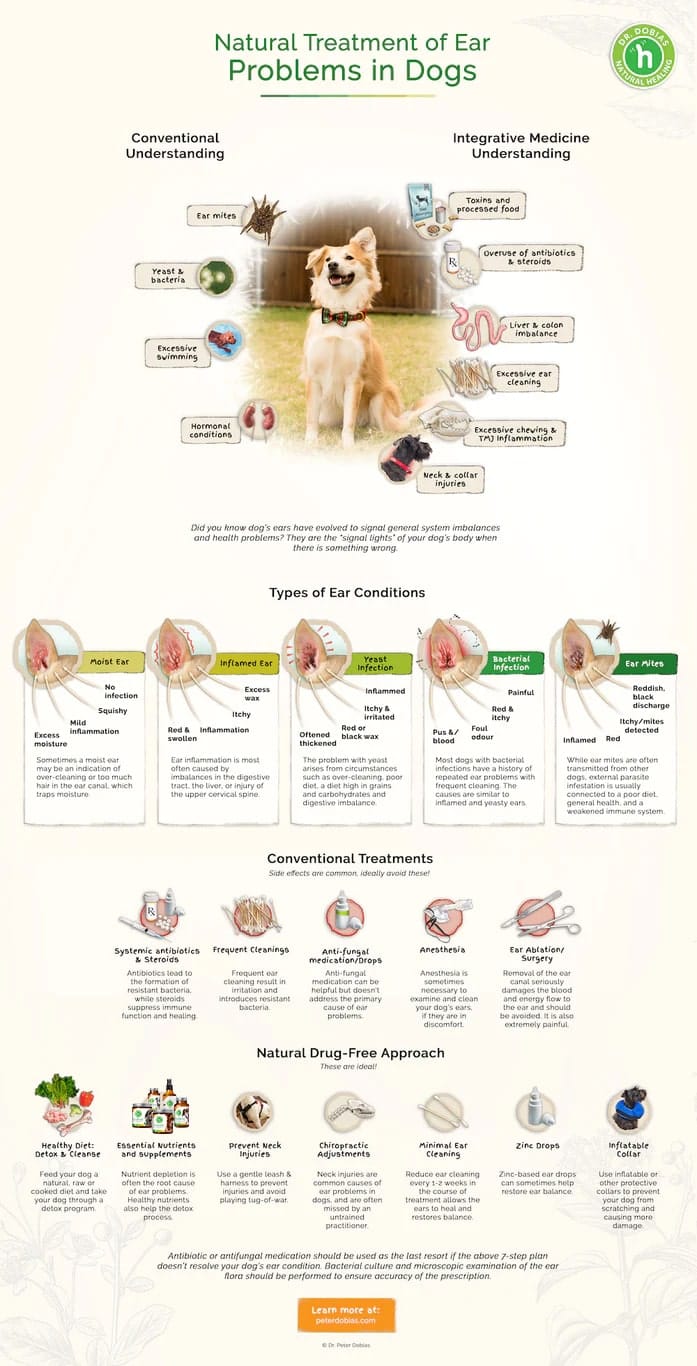
Dealing with an itchy dog who constantly shakes her head or scratches her ears can be distressing for both pet and owner. While various parasites can cause such discomfort, ear mites (Otodectes cynotis) are a common culprit. Unlike some other parasites, ear mites don’t bite or burrow, but they are highly contagious and can lead to more serious complications if left untreated. Prompt action is crucial to prevent their spread and to stop your dog from causing further injury to herself through excessive scratching. This guide provides essential information on identifying and effectively treating ear mites in dogs using natural and safe methods.
Understanding Ear Mites (Otodectes cynotis)
When people mention “ear mites,” they might sometimes refer to mange mites like Sarcoptes or Demodex. However, this article specifically focuses on Otodectes cynotis, a prevalent type of ear mite that is also classified as a form of mange, known as Otodectic mange. These tiny pests are arachnids, belonging to the same family as spiders and ticks. Importantly, they do not bite. Ear mites typically reside within a dog’s ear canal, feeding on earwax and oils, which triggers intense itching. As parasites, they are dependent on a host and quickly establish themselves in the cozy environment of the ear canal. While more common in cats, dogs are susceptible to contracting ear mites, and these mites are highly contagious to other dogs, cats, and ferrets. Fortunately, ear mites rarely affect humans, though a temporary skin rash is possible in rare instances. Younger dogs may be more vulnerable, but dogs of any age can be affected.
How Dogs Acquire Ear Mites
Dogs can contract ear mites from various sources in the environment, but the most common transmission occurs through contact with an infected animal, such as another dog, cat, or ferret. Outdoor cats are a frequent source of ear mite infections. Foxes also carry ear mites, though direct transmission to dogs from foxes is less common. The Companion Animal Parasite Council notes that while cats can harbor thousands of mites per ear, dogs typically have significantly fewer. Once a dog becomes infected, ear mites reproduce rapidly. Female mites can lay between 15 to 20 eggs in their short lifespan, with eggs hatching in just four days. Their offspring continue the reproductive cycle, with the entire egg-to-egg generation taking approximately 18 to 28 days. Given their high contagiousness, if your dog is diagnosed with ear mites, it’s essential to check your other pets, including cats and ferrets, as they may require treatment as well. Ear mites are nearly microscopic, and their symptoms can mimic those of other ear conditions, making proper identification important.
Recognizing the Signs of Ear Mites in Dogs
Several observable signs may indicate that your dog has an ear mite infestation:
- Excessive Ear Scratching: A persistent urge to scratch the ears.
- Head Shaking: Frequent and sometimes vigorous shaking of the head.
- Ear Discharge: A dark, reddish-brown discharge resembling coffee grounds.
- Unpleasant Odor: A foul smell emanating from the ears.
- Skin Lesions: Sores or irritation around the ear, often a result of self-inflicted scratching, which can become infected.
- Visible Mites: In some cases, tiny, white, moving specks, roughly the size of a pinhead, might be visible in the ear canal.
If left untreated, ear mites and the associated scratching can lead to more severe health issues, including hearing loss, loss of balance, damage to the ear canal, ear hematomas, increased ear sensitivity, and secondary infections. It’s crucial to address the problem early to prevent these complications.
Diagnosing Ear Mites in Dogs
You may be able to diagnose ear mites yourself without a veterinary visit. Collect a small amount of debris from your dog’s outer ear canal using a cotton swab or ball. Place the sample on a dark surface and examine it with a magnifying glass. Look for small, white, moving specks. If you observe these, it’s highly likely your dog has ear mites. If the initial sample is inconclusive, try collecting debris from a different area or the other ear. If you still cannot find any mites, consult your veterinarian.
A veterinarian can easily confirm ear mites through a visual examination using an otoscope and by examining the ear discharge under a microscope. If your dog is particularly restless during the examination, some vets might suggest sedation. To potentially avoid this, consider administering calming aids like Rescue Remedy or CBD oil prior to the appointment. If your vet rules out ear mites, they can help diagnose other potential ear infections. Here’s some information about different ear problems that might be helpful. If ear mites are confirmed, and your vet recommends conventional treatments involving drugs or pesticides, it’s a good time to consider natural alternatives.
Natural and Safe Treatments for Ear Mites
While veterinary options for ear mites often include medicated ear cleaners, which can disrupt the ear’s natural microbiome, and pharmaceutical antiparasitics or pesticides (like Revolution, Advantage, ivermectin, or Bravecto), these treatments carry potential risks. These drugs, often neurotoxins, can cause serious side effects in dogs, including tremors, seizures, incoordination, vomiting, diarrhea, appetite loss, skin irritation, and lethargy. Furthermore, these medications typically target adult mites and may require prolonged treatment to address the mites’ three-week lifecycle. Fortunately, safer and effective natural remedies can be employed.
It’s important to remember that if you have multiple pets, you should check and treat them all simultaneously for ear mites.
1. Olive Oil
Veterinarians Susan G. Wynne and Steve Marsden recommend using olive oil to treat ear mites. The process involves cleaning the ear with olive oil to remove as much debris as possible. The oil helps to suffocate the mites. This treatment should be repeated every three days for two weeks to effectively eliminate mites, accounting for their hatching cycle. For enhanced efficacy, you can add 1-3 drops of specific essential oils per ounce of olive oil: peppermint for its anesthetic properties, catnip to help control mites, St. John’s Wort to relieve pain, or calendula for healing ear skin.
2. Garlic Oil
Herbalists Mary Wulff and Greg Tilford suggest garlic oil as a natural remedy. Garlic contains sulfur, which is repellent to mites and possesses anti-parasitic, antibacterial, and antifungal properties that can help with secondary infections. You can purchase garlic oil or make your own by crushing garlic cloves in olive oil, letting it steep overnight, and then straining the oil. Apply the oil to the affected ear twice daily.
3. Green Tea
Green tea acts as a natural antiseptic and can effectively kill mites while helping to clear the characteristic coffee-ground-like debris. Prepare a strong brew by steeping a green tea bag or a tablespoon of loose tea in hot water. Strain the tea and allow it to cool to room temperature. Using a dropper, administer 3-4 drops into each ear, followed by a gentle massage. Then, use a cotton ball dipped in the cooled tea to wipe the inside of the ears. This treatment should be performed daily for four weeks.
Preventing Ear Mite Infestations
The most effective way to prevent ear mite infestations is to ensure your dog maintains optimal health with a robust immune system, making her a less attractive host. Key preventive measures include:
- Nutrition: Feed your dog a high-quality, whole-food or raw diet.
- Vaccination: Avoid over-vaccination; administer only necessary vaccines.
- Medication: Limit the use of antibiotics and pesticides, opting for natural alternatives when possible.
- Environment: Minimize exposure to chemicals in your dog’s environment, including natural cleaning supplies and avoiding lawn chemicals.
- Grooming: Use natural, organic shampoos when bathing your dog.
While some experts suggest daily ear cleaning, over-cleaning can disrupt the natural balance of beneficial bacteria in your dog’s ears. It’s generally best to leave your dog’s ears alone unless she shows signs of discomfort. Regular monitoring of your dog’s ears for any early signs of irritation or discharge is recommended. If you notice any issues, promptly use one of the natural remedies described above, as they can also be beneficial for other types of ear infections. Additionally, try to keep your pets away from potential sources of infection, such as stray or outdoor cats.
Frequently Asked Questions
How do you get rid of ear mites in dogs?
To eliminate ear mite infestations in dogs, clean the affected ears with a gentle cleanser to remove debris. Then, apply a natural anti-parasitic topical specifically for ear mites. In severe cases, a vet may prescribe medications like ivermectin or selamectin.
How can you tell if a dog has ear mites?
There are a few symptoms of ear mites to watch for. Excessive scratching of the ears, head shaking, a strong odor, and a dark, coffee ground-like discharge in the ear canal are major signs. You may also notice other ear irritation symptoms, like your dog’s ears appearing red and inflamed.
What kills ear mites naturally?
You can use natural treatment options to help kill ear mites, including the application of green tea or olive oil in the ears, which can soothe irritation and smother the mites. These can help to loosen the debris in the ear canal and suffocate the mites.
Can humans get ear mites from dogs?
It’s extremely rare and unlikely, but yes, humans can technically contract ear mites from dogs. However, human infection is transient and typically resolves on its own, as these mites prefer the ear environment of pets over humans.
References
- J Lohse et al. Validity of species status of the parasitic mite Otodectes cynotis. Medical and Veterinary Entomology. Vol. 15 Issue 2, June 2002.
