
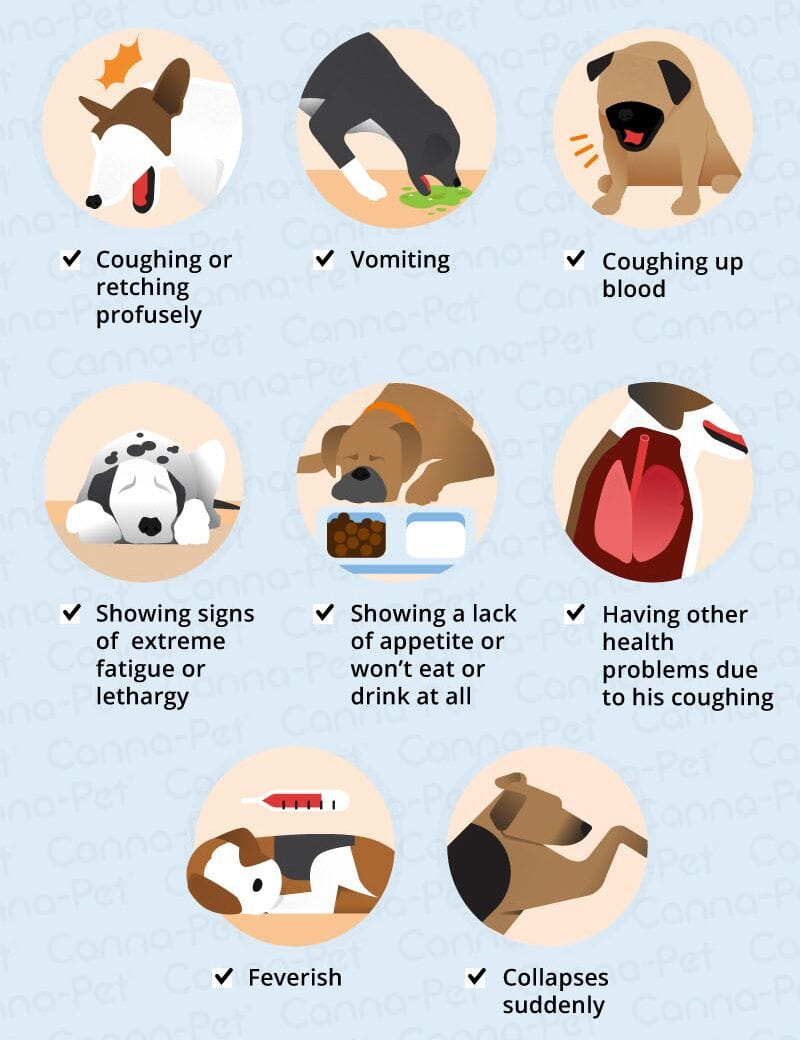
A cough is a common ailment for dogs, often stemming from mild infections or irritations of the upper airways. While most coughs are temporary and resolve on their own, it’s important to recognize when a cough might indicate a more serious underlying condition, such as heart disease, pneumonia, or the presence of a foreign object. For persistent or severe coughs, consulting a veterinarian is crucial. However, for many common coughs, particularly those associated with kennel cough, supportive home care can provide significant relief. This guide offers practical, home-based strategies to help soothe your dog’s cough and support their recovery, focusing on environmental adjustments, gentle exercise, and natural remedies.
Environmental Adjustments for Respiratory Relief
Creating an optimal environment can greatly assist your dog’s recovery from a cough. Indoor air quality plays a significant role, as heated homes can often be dry, exacerbating airway irritation.
Maintain Optimal Air Quality
Ensure that the rooms your dog frequents are well-ventilated and maintained at a comfortable, not excessively warm, temperature. To increase humidity, consider placing damp towels over radiators or using a humidifier. This added moisture can help soothe irritated airways and make breathing more comfortable.
Avoid Airway Irritants
It is imperative to refrain from smoking indoors if you have pets, as secondhand smoke is a potent irritant. Even smoking near open doors or windows can draw smoke back into the home. Additionally, be mindful of common household products that can trigger or worsen a cough. This includes harsh cleaning agents, air fresheners, plug-in diffusers, scented candles, and even personal perfumes and beauty products. Minimize exposure to these substances when your dog is present.
Gentle Exercise and Supportive Care
While your dog is recovering, modifying their activity levels and providing comfort are essential.
Short, Gentle Walks
During a coughing episode, strenuous activity should be avoided. Opt for short, leisurely walks instead. It is highly recommended to use a harness rather than a collar. A collar can put direct pressure on the trachea and airways when a dog pulls, potentially aggravating the cough. A harness distributes pressure more evenly, offering a gentler alternative.
Provide Warmth and Hydration
Ensure your dog has access to warmth, especially during colder months. Dog coats that cover the neck and throat area can be particularly beneficial. Many dogs also find comfort in being covered with a cozy blanket or wearing a light coat indoors. Ample fresh water is crucial for hydration, which aids the body’s ability to fight infection. Change the water frequently, as increased saliva can accumulate, becoming unappetizing and a breeding ground for bacteria. Consider adding water or broth to your dog’s food, or switching to moist food, to increase their fluid intake.
Steam Therapy for Mucus Relief
Steam baths can be an effective way to moisten the airways and help loosen mucus. You can create a steam-filled environment by running a hot shower or bath and allowing your dog to sit in the closed bathroom for a short period. Adding a few drops of high-quality lavender essential oil to the bathwater can offer a soothing, calming, anti-inflammatory, and antimicrobial effect on the airways.
Natural Remedies for Cough Relief
Several natural ingredients possess properties that can help alleviate a dog’s cough.
Honey
Honey, particularly local, raw honey, is renowned for its antibacterial, immune-enhancing, and throat-soothing qualities. It can be given directly, mixed with a little warm water, incorporated into food, or added to a soothing sage tea. A general guideline is half to one teaspoon for smaller dogs, and one to two teaspoons for larger dogs. Important Note: Honey should not be given to puppies under one year of age due to the risk of botulism.
Sage
Sage tea can be beneficial for reducing inflammation in the mouth and throat and possesses antimicrobial properties. To prepare, steep 1 teaspoon of fresh sage leaves in a cup of boiling water for 10 minutes, then strain and cool. Offer your dog approximately 1/3 cup per 10 kilograms of body weight, divided into smaller servings throughout the day. Caution: Pregnant dogs or those nursing puppies should avoid sage, as it can potentially induce contractions or reduce milk supply.
When additional support is needed, herbal blends incorporating marshmallow root and echinacea can be highly effective. These combinations are often used in veterinary practice to manage persistent coughs in dogs, with many pet owners reporting positive results. These natural approaches are often beneficial for humans as well, highlighting a shared approach to natural health support for both pets and people.
For comprehensive care, always consider consulting with your veterinarian regarding over the counter medicine for dog fever or other specific health concerns. While home remedies can be very helpful, professional medical advice is paramount for serious conditions.
This approach to natural wellness and supportive care can significantly contribute to your dog’s comfort and recovery. Remember to observe your dog closely and consult your veterinarian if their condition does not improve or if you have any concerns about their health.
