
Ensuring your dog’s comfort and health is a top priority for any pet owner. When the telltale signs of excessive scratching, hair loss, and skin irritation appear, dog mites are often the culprits. These microscopic parasites can cause significant discomfort, leading many to seek effective and gentle treatment options. While conventional treatments exist, the desire for safer, natural alternatives has led to a growing interest in Home Remedies For Dog Mites. This detailed guide will equip you with expert advice and strategies to help identify, prevent, and manage mite infestations using natural solutions, ensuring your beloved canine companion remains happy and healthy.
Understanding Dog Mites: Types, Symptoms, and Transmission
Mites are tiny arachnids that can infest various mammalian hosts, including our dogs. While invisible to the naked eye, their presence can lead to a range of skin issues. The primary types of mites that affect dogs include Sarcoptes scabiei, Otodectes cynotis (ear mites), Demodex canis, and Cheyletiella spp. (walking dandruff). Understanding these different types is the first step toward effective treatment.
Key Takeaways for Managing Dog Mites:
- Transmission: Dogs can acquire mites through direct contact with infested animals or contaminated environments. Some mites, like Demodex, are passed from mother to pups during nursing.
- Symptoms: Look for excessive scratching, hair loss, skin inflammation or redness, sores, scabs, and a dark, waxy ear discharge with an unpleasant odor (for ear mites).
- Treatment: Options range from conventional topical and oral medications (which may have side effects) to natural home remedies for dog mites like olive oil, garlic oil, and green tea.
- Prevention: Regular cleaning, preventative measures, maintaining a strong immune system, and limiting contact with unfamiliar animals are crucial.
What Are Dog Mites?
Mites are microscopic parasites belonging to the class Arachnida, which also includes spiders, scorpions, and ticks. These tiny white dots, with life cycles varying from 17 to 35 days (egg, larva, nymph, and adult stages), are globally distributed.
Demodex canis mites, or follicle mites, reside within dogs’ hair follicles and sebaceous glands. They typically cause issues only when their numbers significantly increase. These mites usually stay deep within the skin and are not easily spread between dogs or to humans. Transmission primarily occurs during early puppyhood when mother dogs pass them to their offspring while nursing. Monitoring young dogs for potential infestations is therefore important.
Cheyletiella spp., on the other hand, causes the condition known as walking dandruff, completing its entire life cycle on the host and resulting in a dandruff-like appearance. Identifying a mite invasion in your dog requires recognizing specific signs and symptoms.
 Microscopic view of ear mites on a dog's skin, showing the tiny parasites clearly visible.
Signs and Symptoms of Mites on Dogs
Dogs suffering from mite infestations often display a range of symptoms, indicating irritation and discomfort. Prompt recognition of these signs is crucial for early intervention and effective management.
Common symptoms include:
- Excessive scratching, indicating severe irritation.
- Hair loss in affected areas.
- Redness or inflammation of the skin.
- Sores or scabs due to persistent scratching.
- Itching or general discomfort.
- Ear infections or discharge.
- Thickened or crusty skin patches.
- A bad odor emanating from affected areas.
The specific symptoms can vary depending on the type of mite. If you observe any of these signs, seeking professional veterinary advice is essential for accurate diagnosis and treatment.
Ear Mites
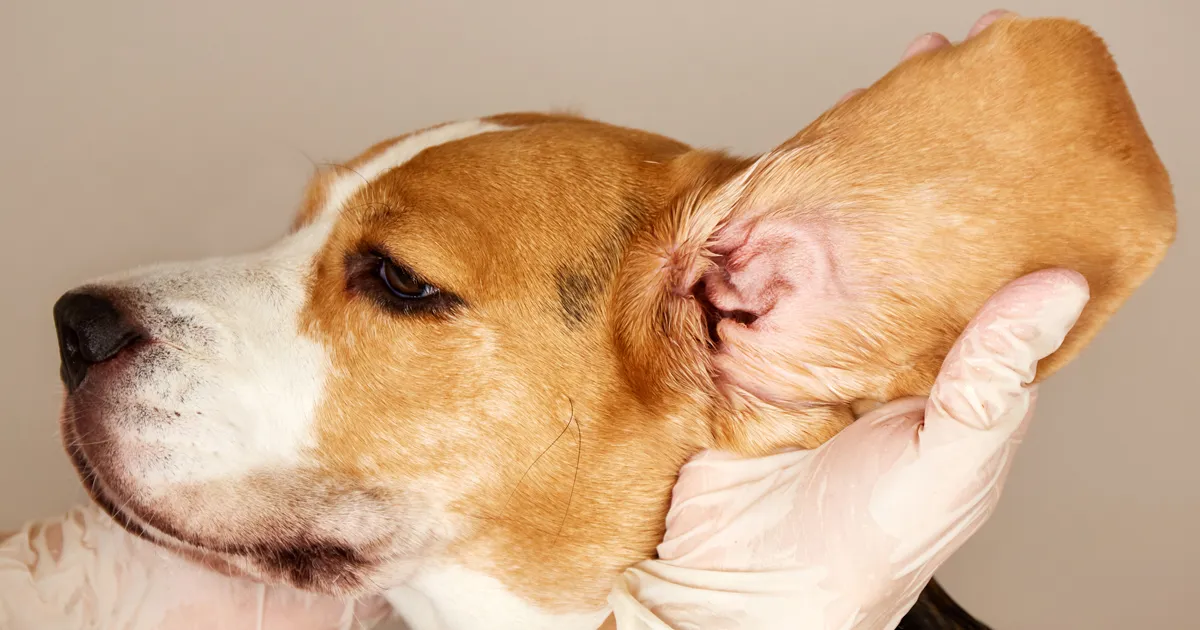
Ear mites (Otodectes cynotis) are a common and bothersome nuisance. These tiny mites live on the surface of the skin within the dog’s ear canal, leading to conditions like otitis externa. Dogs with skin irritations typically exhibit severe itching around their ears, head, and neck, leading to excessive scratching and head shaking.
The most characteristic symptom of ear mites is a dark, waxy discharge resembling coffee grounds, accompanied by an unpleasant odor from the dog’s ears. If your dog is shaking its head, scratching its ears more than usual, and you notice this discharge, a vet visit is highly recommended for diagnosis and to rule out other ear infections.
Skin Mites
Sarcoptes scabiei var canis causes sarcoptic mange, also known as scabies. This infestation results in intense itching, hair loss, and inflammation. These mites burrow into the skin, often leading to secondary bacterial infections. Sarcoptic mites spend their entire life cycle buried in the outer layer of your dog’s skin, causing severe itching and painful wounds from scratching. They are highly contagious, easily spreading between dogs and even to humans.
Understanding Sarcoptic Mange:
- Alternative names for sarcoptic mange? Sarcoptic mange is commonly known as scabies.
- How is sarcoptic mange transmitted? It is easily transmitted between dogs and can also spread from dogs to humans.
- What are the symptoms of an infestation? Symptoms include intense itching, skin inflammation, and painful wounds from scratching.
- Where do sarcoptic mites live on the host? Sarcoptic mites burrow into the outer layer of a dog’s skin.
Other skin mites, such as those causing cheyletiellosis, lead to skin scaling, particularly along the dog’s back. Localized or generalized demodicosis can manifest as hairless, red, scaly skin patches, sometimes resembling acne. Canine scabies can also cause small, solid bumps and thick, crusted sores from persistent scratching.
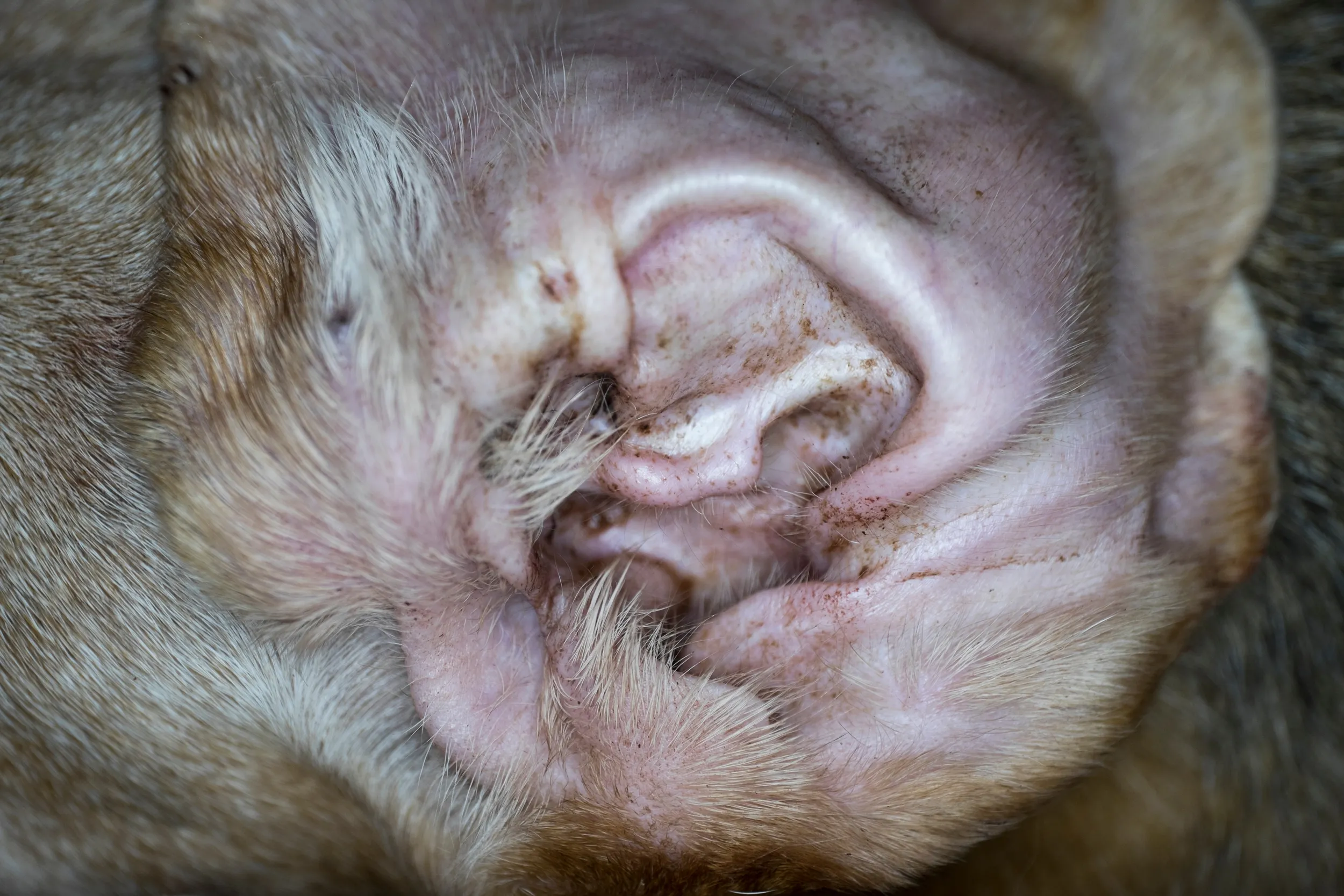 A close-up view of ear mites inside a dog's ear canal, showing the tiny parasites and irritation.
Additional Health Conditions Caused by Dog Mites
- Sarcoptic Mange (Scabies): Highly contagious, causing severe itching and redness.
- Demodectic Mange: Can be localized or generalized, characterized by bald spots and secondary infections.
- Cheyletiellosis: Often called “walking dandruff,” it causes large, scaly skin flakes.
- Trombiculosis (Harvest Mite Infestation): Found in grassy areas, leading to intense itching.
- Ear Mites: Reside in ear canals, causing severe discomfort and potential ear infections if untreated.
Identifying and treating mite infestations early is critical to prevent severe discomfort and secondary infections. Regular check-ups and maintaining a clean environment significantly help in managing and preventing these conditions.
Symptoms to Watch For
- Intense itching and scratching.
- Visible skin flakes or dandruff.
- Hair loss or thinning coat.
- Red, inflamed skin.
- Dark discharge or foul odor from ears.
If your dog displays any of these symptoms, it’s crucial to seek professional help to diagnose and address the mite infestation effectively. This naturally leads us to question how these tiny pests find their way to our canine companions.
How Dogs Get Mites
Dogs typically acquire mites through direct contact with another infested animal or contaminated environments, such as bedding or surfaces. Canine scabies mites can also be transmitted indirectly through infested items, highlighting the importance of environmental cleaning. Some mites, like Cheyletiella, can survive up to 10 days in the environment, making it necessary to treat a pet’s living area to prevent re-infestation.
Older dogs and those with compromised or weakened immune systems are at a higher risk of developing a mite infestation. Therefore, minimizing exposure to infested animals or environments and maintaining robust immune health are paramount.
 A dog with visible skin irritation and significant hair loss on its back and flank, indicative of a mite infestation.
Diagnosing Mites in Dogs
Accurate diagnosis is fundamental for initiating the correct treatment for mites in dogs. Veterinarians employ specialized techniques to identify common mites such as Sarcoptes, Demodex, and Cheyletiella.
- Skin Scrapings: Mineral oil is used to collect skin debris, which is then examined under a microscope.
- Demodex mites, residing in hair follicles, require deep skin scrapings.
- Sarcoptes mites are less abundant, necessitating multiple superficial scrapings due to frequent false negatives.
- Cheyletiella mites, found on the skin surface, are identified using wide superficial scrapings or clear acetate tape pressed onto scaly areas.
- Otoscopic Examination: For ear mites, an otoscope is used to examine the ears, and microscopic analysis of ear discharge samples is performed.
Once diagnosed, the next step is choosing the most appropriate treatment option.
Treatment Options and Home Remedies for Dog Mites
Various treatment options are available to get rid of mites on dogs, ranging from conventional medications to natural home remedies for dog mites. The choice depends on the severity of the infestation, the dog’s health, and the owner’s preference for treatment approach.
Side Effects of Conventional Ear Mite Treatments
Conventional treatments, including oral pesticides, injectables, and topical solutions, often work by paralyzing the parasite. However, many of these neurotoxins can be harmful to your dog and may carry significant risks. It’s crucial to be aware of these potential side effects and take precautions to ensure your pet’s safety.
Potential side effects include:
- Tremors or seizures.
- Ataxia (lack of coordination).
- Vomiting or diarrhea.
- Loss of appetite.
- Skin irritations.
- Lethargy.
Considering these potential side effects and the mites’ three-week life cycle (meaning conventional medications often only eliminate adult mites, not eggs), exploring safer and gentler treatment options becomes imperative. This brings us to effective natural home remedies for dog mites.
3 Natural Home Remedies for Treating Mites on Dogs Include:
Natural solutions offer a gentler and safer way to get rid of mites in dogs, providing relief without the harsh chemicals often found in conventional treatments. These home remedies for dog mites leverage common household ingredients with potent anti-parasitic and healing properties.
1. Olive Oil
Olive oil is an excellent natural solution for suffocating and eliminating dog mites, particularly effective for ear mites.
- Application: Gently clean the affected ear with a cotton wool ball soaked in olive oil.
- Cleaning: Remove as much debris and ear wax as possible. The oil helps dislodge the gunk while suffocating the mites.
- Frequency: Repeat this treatment every 3 days for 2 weeks. Since dog mites hatch every 4 days, this protocol prevents them from proliferating while systematically eliminating them.
Bonus: To accelerate treatment and recovery, add 1-3 drops of a single essential oil per 30ml of olive oil, choosing based on your dog’s specific needs:
- Peppermint: Acts as a natural anesthetic, providing pain relief.
- Catnip: Can help control mites.
- St John’s Wort: Known for relieving pain.
- Calendula: Promotes healing of the ear skin.
2. Garlic Oil
Herbal practitioners often recommend garlic oil due to its natural sulfur content, which acts as a natural mite repellent and an effective anti-parasitic agent. Garlic’s antibacterial and anti-fungal properties also make it beneficial for treating any secondary infections.
- Preparation: Mince two garlic cloves and immerse them in a cup of olive oil.
- Infusion: Allow the mixture to infuse overnight.
- Storage: The following day, strain out the garlic cloves and transfer the infused oil into a glass jar.
- Application: Using a dropper, administer the garlic oil to your dog’s affected ear(s) twice a day for optimal results.
3. Green Tea
Green tea, a natural antiseptic, can effectively eliminate all life stages of dog mites and help remove brown wax discharge from the ears.
- Preparation: Place a tea bag or a tablespoon of loose green tea into a cup of boiling water.
- Steeping: Allow it to steep for several minutes before straining.
- Cooling: Let the tea cool completely to room temperature.
- Application: Use a dropper to add 3-4 drops of the cooled tea into each affected ear.
- Massage & Clean: Softly massage the base of your dog’s ears. Then, moisten a cotton ball with the tea and gently clean the interior ear wax from each ear.
- Frequency: Repeat this process daily for a duration of 4 weeks.
These effective home remedies for dog mites can assist in providing natural relief for our furry friends. However, preventing an infestation altogether is always the best approach.
Preventing an Infestation of Dog Mites
Prevention is undeniably better than cure, especially concerning parasite infestations in dogs. Since dogs easily catch mites, proactive measures are key. Regular cleaning of your dog’s ears with a damp cloth can help prevent mites, but avoid over-cleaning to maintain a healthy balance of ear bacteria.
Maintaining a strong immune system in dogs is fundamental to naturally warding off parasites, including mites.
- Diet: Provide the finest whole-food diet, opting for raw or lightly cooked meals within your budget.
- Vaccinations: Avoid over-vaccinating.
- Medication Use: Minimize the use of antibiotics, pharmaceutical drugs, and pesticides.
- Environmental Chemicals: Reduce chemical exposure in your dog’s environment, refraining from chemical-based lawn treatments and fertilizers.
Additionally, to prevent dog mites more directly:
- Limit Contact: Ensure your dog doesn’t come into contact with unfamiliar dogs who might have mites. Vigilance is key.
- Post-Treatment Hygiene: If your dog has been treated for mites, thoroughly wash their bedding and clean their surroundings to prevent re-infestation.
- Isolation: If your dog has mites, keep it away from other dogs until it has been treated to stop the spread.
Keeping dogs away from outdoor or feral cats can also reduce the risk of ear mite exposure. Combining these lifestyle practices with specific preventive measures can significantly reduce the risk of your dog suffering from mites. Consider using effective flea treatment for dogs as part of a comprehensive parasite prevention strategy, though specific mite treatment is also vital.
Mites on Dogs: Myths and Misconceptions
One common misconception is that humans can contract the same full-blown scabies from dogs as they do from other humans. When humans get mites from dogs, the condition is usually self-limiting and does not result in the deep burrows seen in typical human scabies. Another myth is that ear mites, a specific type of mite infestation in dogs, generally affect humans. However, these types of dog mites rarely infest humans. Mites typically prefer one species; however, some, like sarcoptic dog mites, are highly contagious and can cause itchiness and inflammation in humans if close contact occurs. For dog owners, consulting both veterinarians and doctors is vital to understand how to avoid contracting mange from pets and control mite infestations in the household. By understanding the specific types of mites that can transfer from dogs to humans and their symptoms, you can better protect yourself and your furry friends.
Mite Infestations in Multi-Pet Households
Managing a mite infestation in multi-pet households presents a unique challenge. When one pet is diagnosed with mites, it is crucial to treat all pets to prevent reinfection and achieve complete eradication.
To prevent the transmission of mites between pets, it is essential to:
- Avoid contact with infected animals.
- Quarantine affected pets until fully treated.
- Treat all animals in close contact, including dogs, cats, and other domestic animals.
Mite infestations, including mange, are highly contagious among pets, making these precautions crucial. Regularly check for signs of infestation and consider preventative measures such as best and cheapest flea and tick medicine for dogs for overall parasite control.
 A senior dog with a visible patchy coat, possibly due to hair loss from mites, resting calmly on an owner's bed.
Summary
Dealing with mites in dogs can be a daunting task, but armed with accurate information and effective strategies, you can successfully diagnose, treat, and prevent these infestations. We’ve explored the various types of mites, their life cycles, and the diseases they cause, alongside the crucial signs and symptoms to watch for. Most importantly, we’ve highlighted the efficacy and gentleness of natural home remedies for dog mites, offering a safer alternative to conventional treatments.
Prevention remains paramount to keeping our dogs mite-free. Regular ear cleaning, maintaining a robust immune function through a quality diet and minimal chemical exposure, and limiting contact with potentially infected animals are all vital steps. Debunking common myths also helps us better understand and manage these infestations. Remember, your pet’s health and well-being depend on your vigilance and care. By integrating preventative measures and understanding the benefits of natural home remedies for dog mites, you can ensure your furry friend lives a comfortable, mite-free life.
Frequently Asked Questions
How do I know if my dog has mites?
If your dog has mites, you may notice intense itching, sudden hair loss, dandruff, and visible irritation such as red skin. Keep an eye out for these symptoms.
What is Cheyletiellosis?
Cheyletiellosis, often called “walking dandruff,” is a skin condition caused by an infestation with Cheyletiella mites. These mites are large enough to be seen by the naked eye and get their nickname from the appearance of dandruff-like flakes moving on the skin of affected animals.
Symptoms and Signs
- Dandruff Appearance: The most noticeable symptom is the presence of white flakes on your pet’s coat, resembling dandruff.
- Mild Itching: Unlike other mite infestations, cheyletiellosis may not cause severe itching unless your pet develops a hypersensitivity to the mites.
- Spread: This condition is highly contagious and can easily spread between dogs, other animals, and even humans.
Diagnosis and Treatment
Veterinarians usually diagnose cheyletiellosis through skin scrapings, examining the fur, or using adhesive tape to capture mites for microscopic examination. Treatments typically involve:
- Topical Medications: Mite-killing shampoos or spot-on treatments.
- Oral Medications: In some cases, oral parasiticides may be prescribed.
- Environmental Cleaning: Thorough cleaning of the pet’s living area to prevent re-infestation.
Prevention
Regular grooming and routine veterinary check-ups can help catch infestations early and reduce the risk of spreading mites to other pets and humans. By understanding cheyletiellosis, pet owners can proactively ensure their furry friends remain healthy and comfortable.
What Are Harvest Mites?
Harvest mites, also known as chiggers or Trombiculidae, are tiny arachnids that typically inhabit grassy fields and wooded areas. These mites are prevalent during the late summer and early autumn months. Both pets and humans can become hosts to these pests, often acquiring them during outdoor activities in rural environments.
Key Facts About Harvest Mites:
- Size and Appearance: Harvest mites are minuscule, making them difficult to spot with the naked eye. Their larvae are usually red or orange.
- Affecting Various Species: While dogs are commonly affected, cats and humans can also be targets for these mites.
- Symptoms in Hosts:
- Persistent itching and scratching.
- Small, red bumps on the skin.
- Inflammation and discomfort.
- Common Time Frame: These mites are most active in the late summer months, making this the peak period for potential exposure. Understanding where and when these mites are most active helps take preventive measures.
How do you get rid of mites on a dog?
You can eliminate mites on a dog by using medicated shampoos or dips and potentially prescription medications if needed. It’s important to also monitor the mite population with regular skin scrapings and consider incorporating natural home remedies for dog mites for a gentle approach.
Can humans get mites from dogs?
Yes, humans can get mites from dogs if they come into contact with an infected dog, particularly with sarcoptic mites. Be cautious when handling dogs with mange.
Does flea treatment kill mites?
While some flea and tick treatment for cats and dogs may have some efficacy against certain mites, their success in addressing a full-blown dog mite infestation is not guaranteed. Exploring safer, more gentle, and potentially more effective solutions through natural alternatives like home remedies for dog mites is advisable. Embracing natural home remedies offers a less invasive approach that can effectively eliminate dog mites without potential side effects associated with many conventional medications and pesticides.
How do dogs get mites?
Dogs get mites through direct contact with infested animals or contaminated environments, like infested bedding or surfaces. Be mindful of these situations to prevent future infestations of dog mites.
