
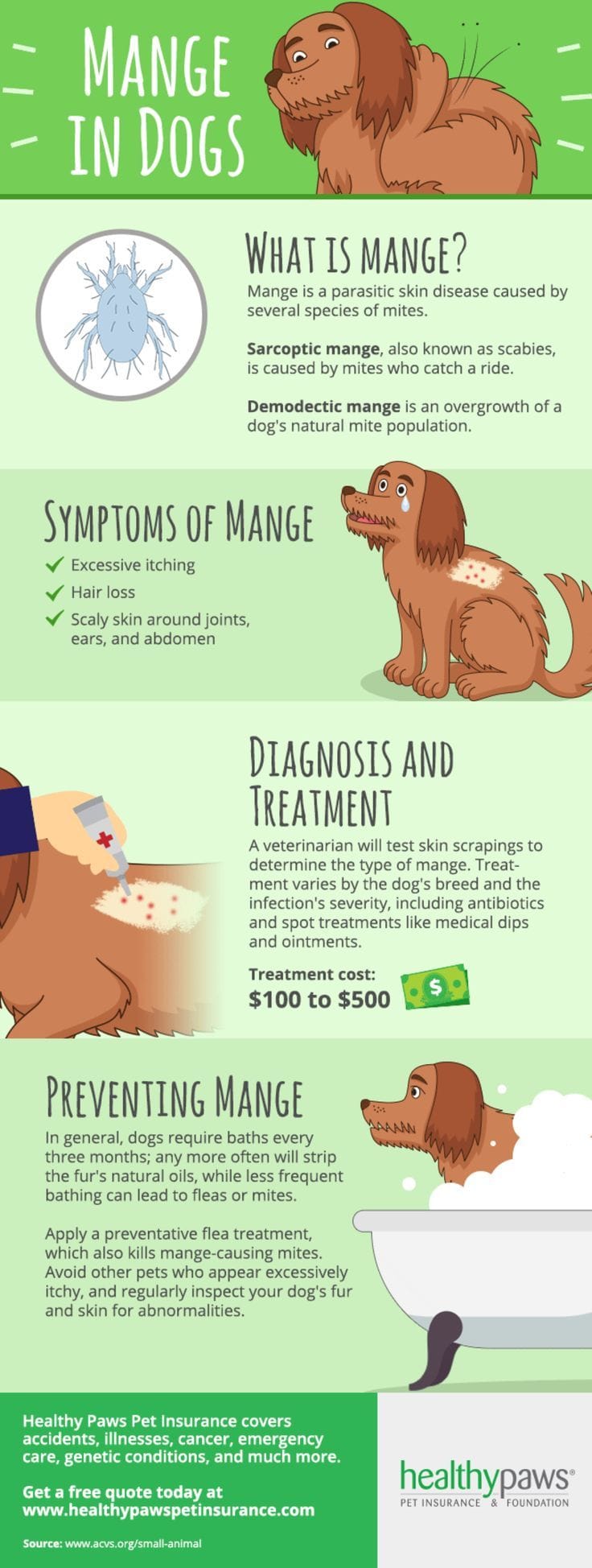
Mange is a distressing skin condition affecting dogs, often characterized by intense itching and hair loss. While images of severely affected stray dogs might come to mind, mange can affect any dog. If your canine companion is excessively scratching, it’s crucial to understand the potential causes and how to address them. This article delves into the intricacies of mange in dogs, differentiating between its common types, outlining symptoms, and exploring both conventional and natural treatment approaches.
What Exactly Is Mange In Dogs?
Mange is a parasitic skin disease highly prevalent among dogs. The two primary forms are demodectic mange, often called “red mange” or demodex, and sarcoptic mange, also known as scabies in humans. Both are caused by microscopic mites, but the specific type of mite dictates the form of mange. Sarcoptic mange is particularly contagious, spreading rapidly between animals and even to humans, though the mites cannot complete their life cycle on human hosts. While symptoms and treatments can overlap, understanding the distinct causative agents is key to effective management.
Recognizing the Symptoms of Mange
The outward signs of both demodectic and sarcoptic mange in dogs are remarkably similar, stemming from the irritation caused by mites. These parasites often favor hairless areas like the inner ears, armpits, and belly. Key symptoms include:
- Intense Itching and Flaky Skin: Dogs with mange experience extreme itchiness, leading to constant scratching and noticeable flakiness.
- Red, Inflamed Skin: The affected areas will appear red and inflamed due to irritation and scratching.
- Bumps and Rashes: As mites burrow under the skin, small bumps or an acne-like rash may appear.
- Hair Loss: Persistent chewing and scratching often result in patches of hair loss.
- Scabs and Crustiness: The skin may develop scabs and a crusty texture.
- Open Sores and Secondary Infections: In severe cases, scratching can lead to open sores, increasing the risk of bacterial infections.
- Swollen Lymph Nodes: Some dogs may exhibit swollen lymph nodes as their body fights the infection.
Additional indicators that mange might be the culprit include a lack of response to typical allergy treatments, and for sarcoptic mange, the presence of small bite marks or tracks on the skin. Demodectic mange can sometimes present with a yeasty odor, blackheads, or an acne-like rash.
Understanding Sarcoptic Mange (Scabies)
Sarcoptic mange is caused by the microscopic female mite, sarcoptes scabiei, which burrows into the skin to lay eggs. These eggs hatch within 3 to 10 days and emerge as adult mites, which then reproduce. The sarcoptic mite can survive for about five days without a host, while adult mites live for three to four weeks, perpetuating the cycle. Research indicates that younger dogs are more susceptible to sarcoptic mange, suggesting an age-related immunity develops over time.
Contagion of Sarcoptic Mange
Yes, sarcoptic mange is highly contagious. Because the mites spread easily on the skin’s surface, they can be transmitted through direct contact with infected animals or contaminated environments. While the mites can infect humans, they cannot complete their entire life cycle on us. To prevent the spread, it’s essential to isolate the infected dog, keep them off furniture, and thoroughly clean their bedding, toys, and food bowls. Any other pets in the household should also be isolated and treated as a precautionary measure.
Diagnosing Sarcoptic Mange
Accurately diagnosing sarcoptic mange can be challenging due to the microscopic and fast-moving nature of the mites, often leading to negative skin scraping results. Multiple scrapings may be necessary to detect the mites or their eggs. However, its high contagiousness offers a clue: if you and other pets in the home start experiencing itching and develop a rash, sarcoptic mange is a strong possibility. In some cases, veterinarians may prescribe Ivermectin, a common heartworm medication, and if it effectively treats the symptoms, the diagnosis is confirmed.
Delving into Demodectic Mange
Demodectic mange is the most prevalent form of mange in dogs and frequently affects puppies with underdeveloped immune systems, allowing the Demodex canis mites to proliferate. These cigar-shaped mites are a normal component of a dog’s skin flora and are typically harmless, being passed from mother to pups shortly after birth. They reside deep within hair follicles without causing issues in healthy dogs.
A dog’s robust immune system usually keeps these mites in check. However, certain dogs are more at risk, including:
- Puppies and adult dogs with compromised immune systems.
- Young dogs may experience temporary patches of hair loss that resolve with or without treatment.
- Elderly, ill, neglected, or stray dogs with weakened immunity.
- Dogs suffering from underlying health conditions like cancer or diabetes.
Dogs with demodectic mange typically lose hair in patches but often do not experience the intense itching associated with sarcoptic mange. Hair loss commonly begins on the face, particularly around the eyes, and can be localized or widespread.
Is Demodectic Mange Contagious?
Unlike its sarcoptic counterpart, demodectic mange is not contagious to other animals or humans. The Demodex mites are naturally present on most dogs. Therefore, a healthy dog coming into contact with an infected dog is unlikely to contract the mites, as their immune system can manage the population.
Diagnosing Demodectic Mange
Similar to sarcoptic mange, veterinarians diagnose demodectic mange through deep skin scrapings. The key is to determine if the number of mites present exceeds the normal population. In persistent or chronic cases that don’t respond to allergy treatments, a skin biopsy might be performed as a last resort. The veterinarian will make a clinical diagnosis to differentiate between a parasitic infestation like mites and an allergic reaction.
Veterinary Treatments for Mange
Veterinary treatments for mange often involve oral medications and topical applications. These can include drugs used for heartworm prevention, such as Ivermectin andInterceptor, or spot-on treatments like Selamectin, which target fleas and ticks. However, many owners are concerned about the potential toxicity and side effects of these conventional drugs.
Other treatments, like lime sulfur dips, can be corrosive and pose significant risks, including chemical burns, respiratory irritation, eye damage, and even fatality if ingested. Medicated shampoos may offer temporary relief but can suppress symptoms rather than cure the underlying issue, potentially worsening the mite problem. Systemic treatments like Amitraz, while used as an insecticide, can cause serious side effects including sedation, incoordination, vomiting, and diarrhea.
Steroids, whether topical or oral, are sometimes prescribed to reduce inflammation and itching. However, steroids work by suppressing the immune system, which, while alleviating symptoms, does not cure the mange and can further weaken the dog’s defenses. Antibiotics may be recommended to treat secondary bacterial infections from open sores. However, antibiotics indiscriminately kill both beneficial and harmful bacteria, disrupting the dog’s gut microbiome, which is crucial for a healthy immune system and can increase the risk of future diseases.
Natural Approaches to Managing Mange
It’s important to note that even after initiating treatment, a dog with sarcoptic mange can remain contagious for 2-4 weeks until the mite life cycle is completely disrupted. Consistency and diligence are crucial when employing home remedies. All pets in the household that have been in contact with the infected dog should also be treated.
1. Boosting the Immune System
A weakened immune system is often a primary factor that allows parasites like mites to take hold. Supporting your dog’s natural defenses is paramount. Homeopathic veterinarian Dee Blanco DVM emphasizes that a strong immune system is central to overall health. This can be achieved through supplements like mushrooms, DMG, and vitamins (C, D, A), alongside homeopathic remedies and herbs such as echinacea or goldenseal. Mange is often a manifestation of immune system failure, making immune support critical.
2. Prioritizing a Healthy Diet
Just as a whole-food, raw diet benefits a dog’s gut health, a nutrient-rich diet is essential for maintaining a healthy skin microbiome. This helps replenish beneficial bacteria and strengthens the immune system. Incorporating prebiotics and probiotics as a fresh food source of enzymes is also vital for overall health and skin resilience.
3. Gentle Bathing with Safe Ingredients
Harsh soaps and shampoos can exacerbate the irritation on a mange-affected dog’s skin. It’s best to avoid “medicated” shampoos, which can further irritate raw skin and potentially mask or worsen the mite infestation. Opt for natural shampoos free from toxic ingredients. For sarcoptic mange, weekly baths for about three weeks are recommended, taking care to prevent mite transfer to the environment. Dogs with demodectic mange may require bathing twice a week for several weeks. Herbalist Rita Hogan suggests using neem shampoos for sarcoptic mange.
4. Utilizing Anti-Parasitic Herbs and Oils
For sarcoptic mange, specific herbal and oil blends can be effective antiparasitic treatments. These include Barbados Nut Oil (known for its insecticidal, antiparasitic, and antifungal properties), a blend of Neem Oil with Palmarosa and Geranium Essential Oils (offering antiparasitic, antibacterial, and antifungal benefits), and a Turmeric and Neem Oil infusion. It is crucial to avoid certain essential oils like tea tree or clove oil, as they are toxic to dogs.
5. Natural Mange Treatment Products
Products like Mite Avenge offer a chemical-free approach to combating both types of mange. Their ingredient list typically includes essential oils and natural minerals. The manufacturer usually provides detailed instructions for effective use.
6. The Benefits of Quercetin
Quercetin, a compound found in many fruits and vegetables, possesses potent anti-inflammatory and anti-histamine properties. It helps inhibit cellular activity associated with inflammation, thereby reducing itching. It’s often referred to as “Nature’s Benadryl” due to its effectiveness without the side effects of the medication.
7. Natural Antibiotics
For secondary skin infections that can arise from mange, natural antibiotics can be beneficial. These include Olive Leaf extract, Oil of Oregano, Plantain, and Calendula. These natural remedies can help combat bacterial infections without the adverse effects associated with conventional antibiotics.
8. Home Decontamination
If your dog has sarcoptic mange, thoroughly decontaminating your home is essential to prevent the spread of mites. This involves washing bedding, towels, and clothing in hot water with borax and drying on high heat. Vacuuming floors, rugs, and upholstery vigorously, and steam cleaning with a borax solution if possible, are also recommended. Changing vacuum bags outdoors and adding salt to the collection cup of bagless machines can help kill mites. Washing bare floors with hot water and borax, and applying diatomaceous earth in areas where mites may hide, can further assist in eliminating them. Soft items, rugs, and even furniture may need to be bagged and sealed for several weeks to ensure mites die off. If in doubt, showering and re-washing clothes after potential exposure is advisable.
With consistent application of natural remedies and diligent decontamination, your dog’s skin should begin to heal, and their fur should start to regrow within a few weeks, leading to a happier and healthier companion.
References:
- Feather, L., Gough, K., Flynn, R.J. et al. A retrospective investigation into risk factors of sarcoptic mange in dogs. Parasitol Res 107, 279–283 (2010).
