
Orthopedic problems, such as arthritis and hip dysplasia, can significantly impact a dog’s quality of life, ranging from mild discomfort to debilitating pain. While arthritis currently has no cure, joint supplements offer a promising avenue for management by aiding in cartilage rebuilding, enhancing joint flexibility, and reducing inflammation. The landscape of these supplements is evolving, with an increasing number of robust studies supplementing the initial research that often formed the basis of early ingredient claims.
“Most supplements are relatively safe and can be started in hopes of reducing the progression of osteoarthritis, or the signs and symptoms of osteoarthritis,” explains Dr. Christopher Frye, assistant clinical professor and section chief of sports medicine and rehabilitation at the Department of Clinical Sciences. Evidence suggests these supplements might be more effective in preventing arthritis than in slowing its progression. However, proper diagnosis is crucial before initiating any supplementary treatment. For instance, “hip dysplasia” and “arthritis” are often used interchangeably, but they are distinct conditions.
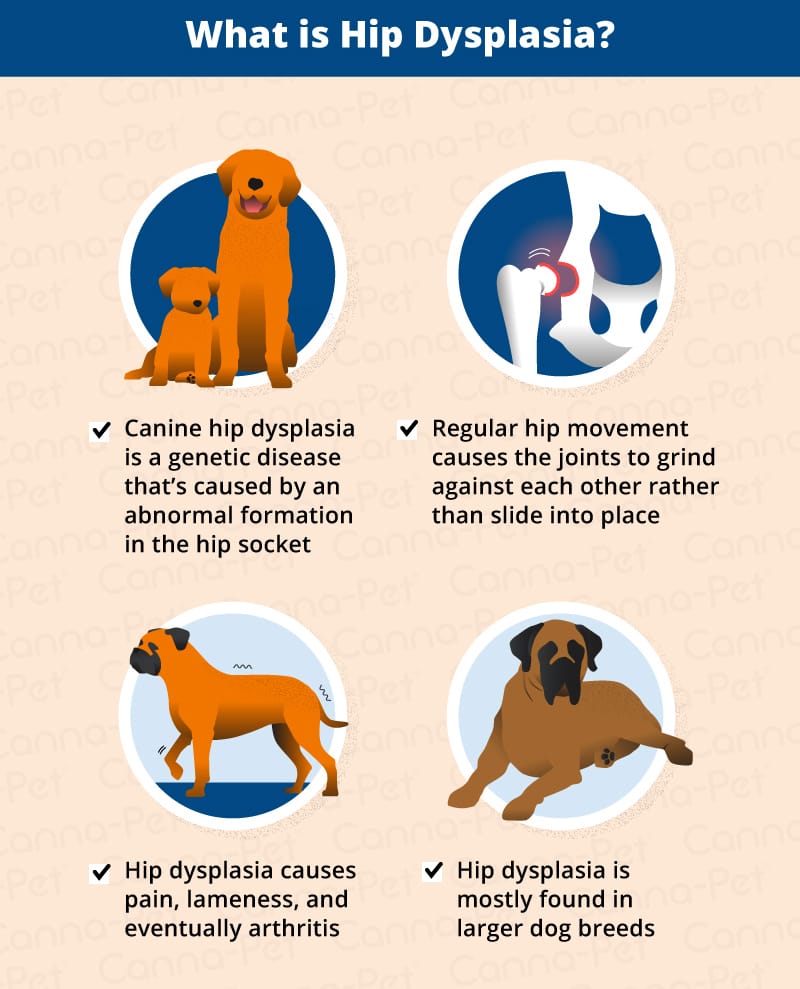
Arthritis is a progressive inflammatory disease affecting most dogs. It involves the gradual wearing away of cartilage, the natural cushioning at the ends of bones, leading to painful bone-on-bone friction. Joint supplements can be beneficial for managing arthritis, often in conjunction with anti-inflammatory or pain-relieving medications. Hip dysplasia, on the other hand, is an inherited deformity characterized by joint looseness. This laxity causes increased wear on the joint and cartilage, leading to pain. While some studies indicate supplements may help mitigate the effects of hip dysplasia, others suggest minimal benefit. For severe cases of hip dysplasia, hip-replacement surgery remains the gold standard. Otherwise, management strategies include weight control, exercise, physical therapy, and anti-inflammatory drugs. Dr. Frye emphasizes the importance of consulting a veterinarian to accurately identify the specific condition before starting any treatment.
Navigating the Supplement Industry and Regulation
When a veterinarian diagnoses a dog with arthritis, a joint supplement might be recommended. The primary goals of these supplements are to decrease inflammation and support the regeneration of cartilage. It is important to note that supplements are not regulated in the same way as medications, meaning product formulations may not always align with label claims. Furthermore, there is no standardized recommendation for the daily dosage of these ingredients to achieve optimal results. Reputable manufacturers, however, are more likely to provide ingredient levels that have demonstrated efficacy in studies.
To ensure product quality and accuracy, it is advisable to choose brands recommended by your veterinarian or those that display the National Animal Supplement Council (NASC) seal. The NASC oversees its members to verify that approved products contain the ingredients listed on their labels.
Omega-3 fatty acids, derived from fish oil, currently have the most substantial scientific backing for joint health. Dr. Frye recommends a daily dosage of one teaspoon per 20 pounds of ideal dog weight. As concentrations of omega-3 fatty acids can vary between products, it is essential to read the product label and consult your veterinarian regarding the specific supplement you intend to use. Fish oil is often best administered as a standalone product to ensure an optimal dose for joint health, as some chewable formulations may contain insufficient amounts. Experimenting with different flavors and textures can help if your dog is hesitant to consume the chosen product.
However, fish oil may not be suitable for all dogs. Dr. Frye advises against it for overweight dogs or those nearing overweight status, as oils are calorie-dense. For such dogs, weight loss alone can significantly alleviate joint pain. Fish oil can be introduced later, once a healthy weight is achieved.
Starting with the Right Supplements
“The problem with joint supplements is that few other than fish oil have been definitively proven to help slow the degeneration, but we think that things like glucosamine and chondroitin may help slow the progression,” states Dr. Joseph J. Wakshlag, professor of clinical nutrition and of sports medicine and rehabilitation. Currently, fish oil and Dasuquin are widely recommended as potentially beneficial for slowing disease progression. Dasuquin is a product from Nutramax, a leading company in animal joint supplements.
Many dog owners report improved comfort and quality of life for their pets when using joint supplements, either independently or in conjunction with anti-inflammatory medications and other therapies. Joint supplements can be given alongside pain medications like nonsteroidal anti-inflammatories (NSAIDs) for added benefit. Dr. Wakshlag notes that fish oil may help reduce the required dosage of NSAIDs for pain relief.
Veterinary Acceptance and Emerging Ingredients
While some veterinarians express skepticism due to a perceived lack of extensive studies, it’s important to understand the regulatory differences between supplements and pharmaceuticals. Drugs require FDA approval, which mandates rigorous, manufacturer-funded efficacy research. Supplements, under the 1994 Dietary Supplement and Health Act, can be sold without FDA pre-approval as long as good manufacturing practices are followed. The pet supplement market is projected to grow significantly, fueled by increasing veterinary recommendations. This shift is driven by both emerging research and substantial anecdotal evidence.
At a 2022 veterinary conference, Dr. Matthew Brunke discussed research on three nutraceuticals commonly used for osteoarthritis relief in dogs:
- Avocado and soybean unsaponifiables (ASUs): These oil extracts are believed to inhibit and reduce inflammation. A study involving dogs with induced anterior cruciate injuries showed that those treated with ASUs experienced less damage and a smoother recovery compared to a placebo group.
- Green-lipped mussels: Extracts from New Zealand green-lipped mussels function similarly to omega-3 fatty acids and chondroitin in supporting cartilage and reducing inflammation. Research has confirmed their benefit for dogs with arthritis, with a recommended dose of 77 milligrams per kilogram of body weight per day.
- Undenatured type II collagen (UC II): Derived from chicken sternums, this ingredient helps prevent cartilage damage. While sometimes combined with chondroitin and glucosamine, it is most effective when administered separately, such as at a different mealtime.
The Takeaway: Proactive Joint Care for Your Dog
Consulting your veterinarian about the appropriate age to start joint supplements is crucial. Some evidence suggests these products are more preventative than curative. Recommendations vary, with some experts suggesting initiation around one year of age when skeletal growth typically ceases, while others base their decision on a dog’s activity level, signs of joint disease, and other risk factors.
For highly active dogs or those exhibiting early signs of joint issues, incorporating a joint supplement, particularly one containing omega-3 fatty acids, may be beneficial. While generally safe, supplements should be treated with the same caution as medications, stored out of reach to prevent accidental overdose. Maintaining a healthy, lean weight throughout your dog’s life is paramount, as excess weight significantly contributes to the onset and progression of joint disease.
