
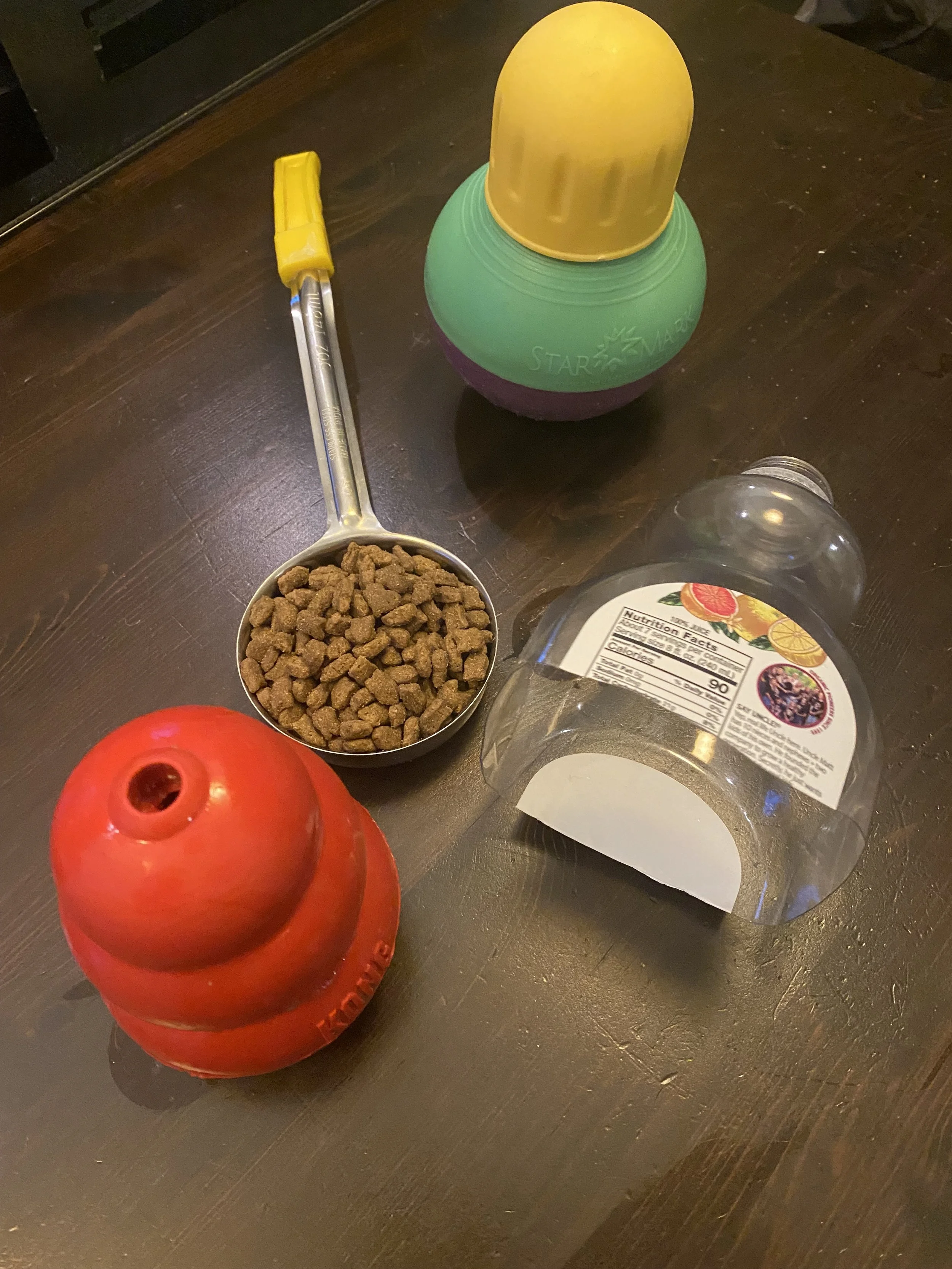
Training your dog is a journey filled with moments of joy, frustration, and immense reward. At the heart of successful dog training lies effective motivation, and for many dogs, that motivation comes in the form of high-value treats for dog training. These aren’t your everyday kibbles; they are the special, ultra-tempting morsels that make your dog sit up, pay attention, and perform those desired behaviors with enthusiasm. Understanding what makes a treat “high-value” and how to use them strategically can transform your training sessions from a chore into a delightful bonding experience.
What Exactly Are High-Value Treats for Dogs?
The concept of “high-value” is entirely subjective to your individual dog. What one dog might go wild for, another might barely notice. Generally, high-value treats are:
- Highly Palatable: They possess a strong aroma and taste that dogs find irresistible. Think meaty, cheesy, or fishy scents.
- Novel and Exciting: These are not treats your dog gets every day. Their rarity makes them special and more motivating.
- Small and Easy to Consume: Training often requires many repetitions. Treats that can be eaten quickly in one or two bites prevent training sessions from becoming long, drawn-out feeding times and allow for faster cue-response cycles.
Examples of High-Value Treats:
The best way to discover your dog’s ultimate high-value treats is through experimentation, but here are some popular choices that often hit the mark:
- Small pieces of cooked chicken, beef, or turkey: Plain, unseasoned, and cut into tiny, pea-sized bits.
- Cheese: Small cubes or crumbles of cheddar, mozzarella, or other dog-safe cheeses.
- Commercial training treats: Many brands offer small, soft, and potent training treats specifically formulated for dogs.
- Freeze-dried liver: These are incredibly aromatic and tasty, often a huge hit with most dogs.
- Peanut butter or cream cheese: While these can be messy, a tiny lick from your finger or a spoon can be a powerful reward. Ensure the peanut butter is xylitol-free.
- Hot dog or sausage pieces: Cut into very small, manageable pieces.
Beyond Food: Other High-Value Rewards
While food is a primary motivator for most dogs, remember that some dogs respond exceptionally well to other rewards:
- Enthusiastic praise and petting: Especially for dogs who are very people-oriented.
- A favorite toy: A quick game of fetch or tug can be a fantastic reward.
- Access to a desired activity: Like being allowed to greet a friendly person or another dog, or a quick sniff in an exciting area.
The Strategic Use of High-Value Treats in Training
Simply having a bag of delicious treats isn’t enough; the way you use them in dog training is crucial for effective learning.
When to Use High-Value Treats:
- Introducing New Behaviors: When teaching a new command, like “down” or “stay,” the initial allure of a high-value treat can help capture your dog’s attention and encourage them to try the action.
- Challenging Environments: If you’re training in a distracting environment (like a park or busy street), the stakes are higher, and your dog needs a reward that truly competes with the environmental stimuli. This is where high-value treats for dog training shine.
- Proofing Behaviors: When you’re confident your dog knows a command but need to ensure they respond reliably in various situations, high-value rewards reinforce the importance of obeying you above all else.
- Correcting Undesirable Behaviors: While not a punishment, a high-value treat can be used to redirect a dog’s attention away from an unwanted behavior and towards a desired one. For example, if your dog is barking excessively at the door, you might ask for a “sit” and reward with a high-value treat to interrupt the barking and reinforce a calm behavior.
How to Use Them Effectively:
- Timing is Everything: Deliver the treat immediately after the desired behavior occurs. This creates a clear association between the action and the reward. Use a clicker or a verbal marker (“Yes!” or “Good!”) at the exact moment the behavior happens, followed by the treat.
- Keep it Small: As mentioned, small, bite-sized pieces are best. You want your dog to eat it quickly and get ready for the next repetition, not get full.
- Vary Your Rewards: Don’t only use high-value treats. Mix in lower-value treats (like kibble or less exciting biscuits) for known behaviors or in low-distraction environments. This helps your dog learn to respond to a variety of rewards and prevents them from becoming only motivated by the super-tasty stuff. This is sometimes referred to as “intermittent reinforcement.”
- Phase Out Gradually: As your dog becomes more proficient with a command, you can gradually decrease the frequency of high-value treats. Start rewarding every other correct response, then every third, and so on. Eventually, you can transition to lower-value treats or other forms of praise. However, for particularly difficult commands or high-distraction environments, keeping high-value treats in your arsenal is always a good idea.
Choosing the Right Treats: Considerations
When selecting high-value treats for dog training, keep these points in mind:
- Dog’s Health and Dietary Needs: Always consider your dog’s age, size, weight, and any allergies or sensitivities they may have. Consult your veterinarian if you’re unsure about specific ingredients. Avoid treats with excessive fillers, artificial colors, or preservatives.
- Portability and Cleanliness: Treats should be easy to carry during training sessions, whether in a treat pouch or your pocket. Avoid anything overly greasy or crumbly that can make a mess.
- Cost-Effectiveness: While high-value treats are special, they can add up. Cutting up larger, healthier food items (like a plain chicken breast) can be a more economical option than constantly buying pre-made treats.
Special Considerations for Aggressive Dog Training or Behavioral Issues
For dogs exhibiting behavioral issues such as aggression or severe anxiety, the use of high-value treats for dog training requires careful consideration and often professional guidance. In aggressive dog training San Diego CA, for instance, trainers often use highly motivating treats to redirect focus from triggers and build positive associations. The key is to ensure the treat is motivating enough to capture the dog’s attention away from the situation, thereby creating a positive counter-condition. It’s vital to work with a certified professional trainer or veterinary behaviorist when addressing serious behavioral problems to ensure safety and effectiveness.
Integrating Treats into a Balanced Training Plan
High-value treats are a powerful tool, but they are just one part of a comprehensive dog training strategy. A balanced approach incorporates:
- Positive Reinforcement: Rewarding desired behaviors is key.
- Clear Communication: Using consistent cues (verbal and hand signals) so your dog understands what you’re asking.
- Management: Preventing your dog from practicing unwanted behaviors by managing their environment.
- Socialization: Exposing your dog to various sights, sounds, people, and other dogs in a positive way, especially during their critical developmental periods.
- Exercise and Mental Stimulation: A tired dog is a well-behaved dog. Ensure your dog gets adequate physical activity and mental challenges daily, not just through training.
The Role of Treats in Specific Training Scenarios
Consider the example of dog training bite sleeve work. While the ultimate goal might be bite work, the initial stages often involve high-value treats to encourage a dog to engage with the sleeve, build prey drive in a controlled manner, and develop confidence. Similarly, in dog training broken arrow scenarios where specific environmental challenges need to be overcome, high-value rewards are essential to help the dog focus and succeed despite distractions.
Conclusion: The Irresistible Power of High-Value Treats
High-value treats for dog training are more than just a reward; they are a bridge to effective communication and a deeper bond between you and your canine companion. By understanding what makes a treat “high-value” for your specific dog, using them strategically and judiciously, and integrating them into a well-rounded training plan, you can unlock your dog’s full potential and create a fulfilling partnership. Remember, consistency, patience, and the right motivation are the cornerstones of successful dog training, and for many, that motivation comes in a delicious, tiny package.
Frequently Asked Questions (FAQ)
Q1: How often should I use high-value treats for training?
A1: Use high-value treats primarily when introducing new behaviors, training in distracting environments, or proofing commands. For already learned behaviors in quiet settings, you can often use lower-value treats or other rewards.
Q2: Can too many treats make my dog overweight?
A2: Yes, if not managed properly. Always account for training treats in your dog’s daily caloric intake. Cut them into very small pieces and consider using them as part of their regular meal kibble.
Q3: What if my dog isn’t motivated by any treats?
A3: Try different types of food treats (meats, cheese, fish). If still unresponsive, explore non-food rewards like a favorite toy, enthusiastic praise, or access to a desirable activity. Consult a professional trainer for persistent motivation issues.
Q4: When should I start using high-value treats for my puppy?
A4: You can start using small, soft, high-value treats for puppies as soon as you begin basic obedience training, typically around 8 weeks old. Ensure the treats are puppy-appropriate in size and texture.
Q5: How do I transition from high-value treats to regular rewards?
A5: Gradually decrease the frequency of high-value treats, rewarding every other or third correct response. Then, switch to lower-value treats or praise for known commands. Always keep some high-value treats on hand for challenging situations.
Q6: Are specific commercial high-value treats better than homemade options?
A6: Both can be effective. Commercial treats are convenient, while homemade options allow you to control ingredients. The best option depends on your dog’s preferences, your convenience, and your dog’s dietary needs.
Q7: How do I use treats for a dog with aggression issues?
A7: Use high-value treats to create positive associations and redirect focus away from triggers under the guidance of a professional trainer. The goal is counter-conditioning, not simply bribing the dog.
