
It’s a common scene: a new puppy or adopted dog enters the home, brimming with potential and the promise of a well-behaved companion. As owners, we often project our hopes and dreams onto our new furry family members, envisioning them as perfect, obedient pets. This desire for an ideal dog, however, can sometimes lead to setting high expectations in dog training that might be unrealistic, counterproductive, or even unfair to the dog. Understanding how to balance our aspirations with our dog’s capabilities is key to a happy and harmonious relationship.
The journey of dog training is a partnership, built on communication, patience, and a deep understanding of canine behavior. While aiming for a well-trained dog is a worthy goal, it’s crucial to approach this process with a grounded perspective. Setting achievable goals, celebrating small victories, and recognizing that every dog is an individual with unique strengths and limitations are fundamental to successful training. This article will explore the nuances of high expectations in dog training, offering insights into how to foster a positive and effective learning environment for your dog.
Understanding Canine Learning and Development
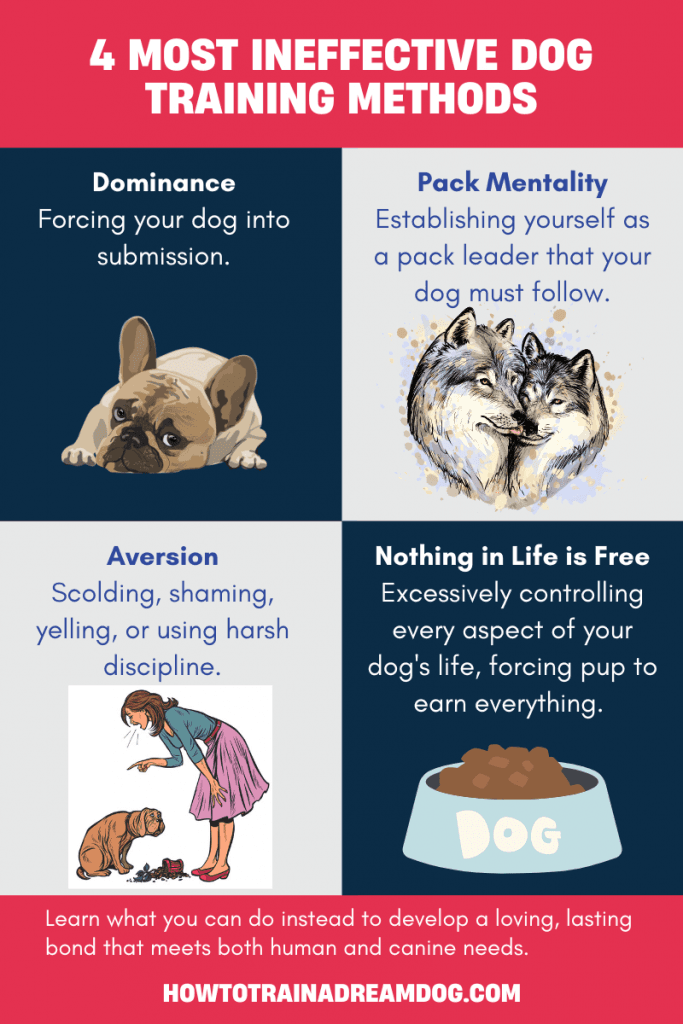
Before diving into training specific behaviors, it’s essential to grasp the basics of how dogs learn and develop. Unlike humans, dogs don’t inherently understand our complex social rules or expectations. Their learning is primarily associative, meaning they learn to connect actions with consequences. Positive reinforcement, such as treats, praise, or toys, strengthens desired behaviors, making them more likely to be repeated. Conversely, punishment or harsh corrections can lead to fear, anxiety, and a breakdown in trust, hindering the learning process.
Furthermore, a dog’s developmental stage plays a critical role. Puppies, with their short attention spans and boundless energy, learn differently than adult dogs or seniors. An older dog, for instance, may have ingrained habits or physical limitations that require a different training approach than a young pup. Ignoring these developmental factors when setting expectations can lead to frustration for both the owner and the dog. It’s akin to expecting a toddler to grasp calculus; the foundation and readiness simply aren’t there yet.
The Puppy Stage: A Foundation of Play and Exploration
Puppies are naturally curious and driven by exploration. During this phase, training should focus on socialization, basic manners, and building a strong bond. Expecting perfect obedience or complex tricks from a young puppy is often unrealistic. Instead, concentrate on positive experiences, such as introducing them to various sights, sounds, people, and other well-behaved dogs. This early socialization is critical for developing a well-adjusted adult dog. Dog training Hewlett Bay Park often emphasizes this foundational stage, ensuring puppies build confidence and a positive association with learning.
Adolescent Dogs: Navigating the “Terrible Teens”
As dogs enter adolescence, typically between 6-18 months, they can become more independent, stubborn, and prone to testing boundaries. This stage can be challenging, and it’s where many owners find their carefully laid training plans seem to unravel. High expectations during this period, such as expecting a dog to maintain perfect focus in a distracting environment, can lead to disappointment. This is a crucial time to reinforce previously learned behaviors and introduce more advanced concepts gradually, understanding that consistency is paramount.
The Impact of Unrealistic Expectations on Your Dog
When owners harbor unrealistic expectations, it can inadvertently create a stressful and damaging environment for their dogs. If a dog is constantly pushed beyond its current capabilities or punished for not meeting arbitrary standards, it can lead to several negative outcomes:
- Anxiety and Fear: Dogs may become anxious or fearful of training sessions, their owners, or even specific situations that trigger their perceived “failures.” This can manifest as withdrawal, excessive barking, or even aggression.
- Learned Helplessness: If a dog consistently feels it cannot succeed, regardless of its effort, it may develop learned helplessness. This is a state where the dog stops trying altogether, appearing apathetic or unresponsive.
- Strained Relationship: The bond between owner and dog is built on trust and mutual understanding. When expectations are consistently unmet, it can erode this trust, leading to a strained relationship characterized by frustration and a lack of connection.
- Behavioral Problems: Ironically, setting overly high expectations can sometimes exacerbate existing behavioral issues or create new ones as the dog struggles to cope with the pressure.
Setting Realistic and Achievable Training Goals
The key to successful dog training lies in setting goals that are both ambitious and achievable. This involves understanding your dog’s breed, age, individual temperament, and learning style.
Know Your Dog’s Breed and Individual Traits
Different breeds were developed for specific purposes, and these traits can influence trainability and behavior. For example, a Border Collie might excel at complex agility tasks due to its intelligence and drive, while a Basset Hound might be more independently minded and less inclined towards obedience. However, it’s also crucial to remember that breed tendencies are generalizations. Individual dogs within a breed can vary significantly. Observe your dog’s personality, energy levels, and motivators to tailor your training approach.
Break Down Complex Behaviors into Small Steps
Most complex behaviors are simply a series of simpler actions strung together. Instead of aiming for a perfect “down-stay” immediately, break it down:
- Teach a basic “down” cue.
- Introduce a short duration stay.
- Gradually increase the duration.
- Introduce distractions.
- Combine duration and distraction.
Celebrating each small step reinforces the learning process and builds confidence for both you and your dog. This progressive approach is often a cornerstone of dog training Overland Park KS, ensuring owners focus on building blocks rather than overwhelming their pets.
Consider Your Dog’s Age and Health
As mentioned earlier, a dog’s age and health status are critical factors. A senior dog might not have the physical stamina for long training sessions, and a dog recovering from an injury will have different needs. Always consult with your veterinarian if you have concerns about your dog’s health or how it might impact their training.
The Role of Positive Reinforcement
Positive reinforcement is widely recognized as the most effective and humane method for dog training. It focuses on rewarding desired behaviors, making them more likely to occur again. This approach fosters a positive association with training and strengthens the human-animal bond.
What Constitutes Positive Reinforcement?
- Treats: High-value treats, especially small, soft, and palatable ones, are excellent motivators.
- Praise: Enthusiastic verbal praise like “Good boy!” or “Yes!” delivered in a happy tone.
- Petting: Gentle petting or ear scratches, if your dog enjoys them.
- Toys: A favorite toy can be a powerful reward, especially for high-drive dogs.
- Life Rewards: Allowing the dog to do something they enjoy, like going outside or playing, can also serve as a reward.
How to Implement Positive Reinforcement Effectively
- Timing is Crucial: Reward the desired behavior immediately, within seconds, so your dog clearly understands what they are being rewarded for. A clicker can be helpful for marking the exact moment of the correct behavior.
- Consistency: Everyone in the household should use the same cues and reward system. Inconsistency confuses dogs and slows down the learning process.
- Value of Rewards: Use rewards that are highly motivating for your individual dog. What works for one dog might not work for another.
- Gradual Fading: As your dog becomes more proficient, you can gradually fade the use of primary reinforcers (like treats) and rely more on praise and other secondary rewards.
Common Pitfalls to Avoid When Training
Even with the best intentions, owners can fall into common traps that hinder training progress. Being aware of these pitfalls can help you steer clear of them.
The Pitfall of Comparison
Comparing your dog to others, whether they are friends’ dogs, dogs seen online, or even past pets, is a common mistake. Every dog is unique, with its own history, personality, and learning curve. Instead of comparing, focus on your dog’s individual progress and celebrate their achievements.
Over-Reliance on Punishment
While it might seem like a quick fix, relying on punishment can do more harm than good. It can suppress behaviors without addressing the underlying cause, lead to fear and aggression, and damage your relationship with your dog. If you’re struggling with a particular behavior, seek professional guidance rather than resorting to harsh methods. For instance, if you’re dealing with persistent barking, understanding the triggers is more effective than simply yelling at your dog. The principles of dog training Franklin TN often highlight the long-term benefits of positive methods over punitive ones.
Inconsistent Training Regimen
Dogs thrive on routine and predictability. Inconsistent training signals, commands, or reward systems will confuse your dog and make it harder for them to learn. This includes having different rules in different rooms or expecting different behaviors from your dog depending on your mood.
Expecting Too Much Too Soon
As discussed earlier, this is a major pitfall. Pushing your dog too hard, too fast, can lead to frustration and a setback in training. Remember that training is a marathon, not a sprint.
When to Seek Professional Help
There are times when professional guidance is invaluable. If you’re encountering significant behavioral issues, feeling overwhelmed, or simply want to ensure you’re training your dog most effectively, consider hiring a certified professional dog trainer or behaviorist. They can provide personalized assessments, develop a tailored training plan, and offer support and expertise. For example, understanding the average dog trainer salary can give you an idea of the investment involved, but the expertise gained is often well worth it.
Signs You Might Need a Professional:
- Aggression (growling, snapping, biting)
- Extreme fear or anxiety
- Compulsive behaviors (e.g., excessive licking, spinning)
- Destructive behavior
- House-soiling issues that persist despite consistent training
- Feeling stuck or unable to make progress on your own
A professional can help you understand the root cause of the behavior and implement effective, humane solutions. They can also guide you in setting realistic expectations based on your dog’s specific needs and challenges.
Conclusion: Building a Partnership Through Realistic Expectations
The relationship we share with our dogs is one of the most rewarding aspects of life. While it’s natural to have high hopes for our canine companions, it’s crucial to temper these expectations with a realistic understanding of canine behavior, learning, and individual differences. By focusing on positive reinforcement, setting achievable goals, and celebrating progress, we can build a strong, trusting partnership with our dogs. Remember, effective dog training Davis CA and in any other location, is about building a foundation of understanding and communication, not about achieving perfection overnight. Embrace the journey, enjoy the process, and your dog will be well on its way to becoming the beloved, well-behaved companion you’ve always dreamed of.
