
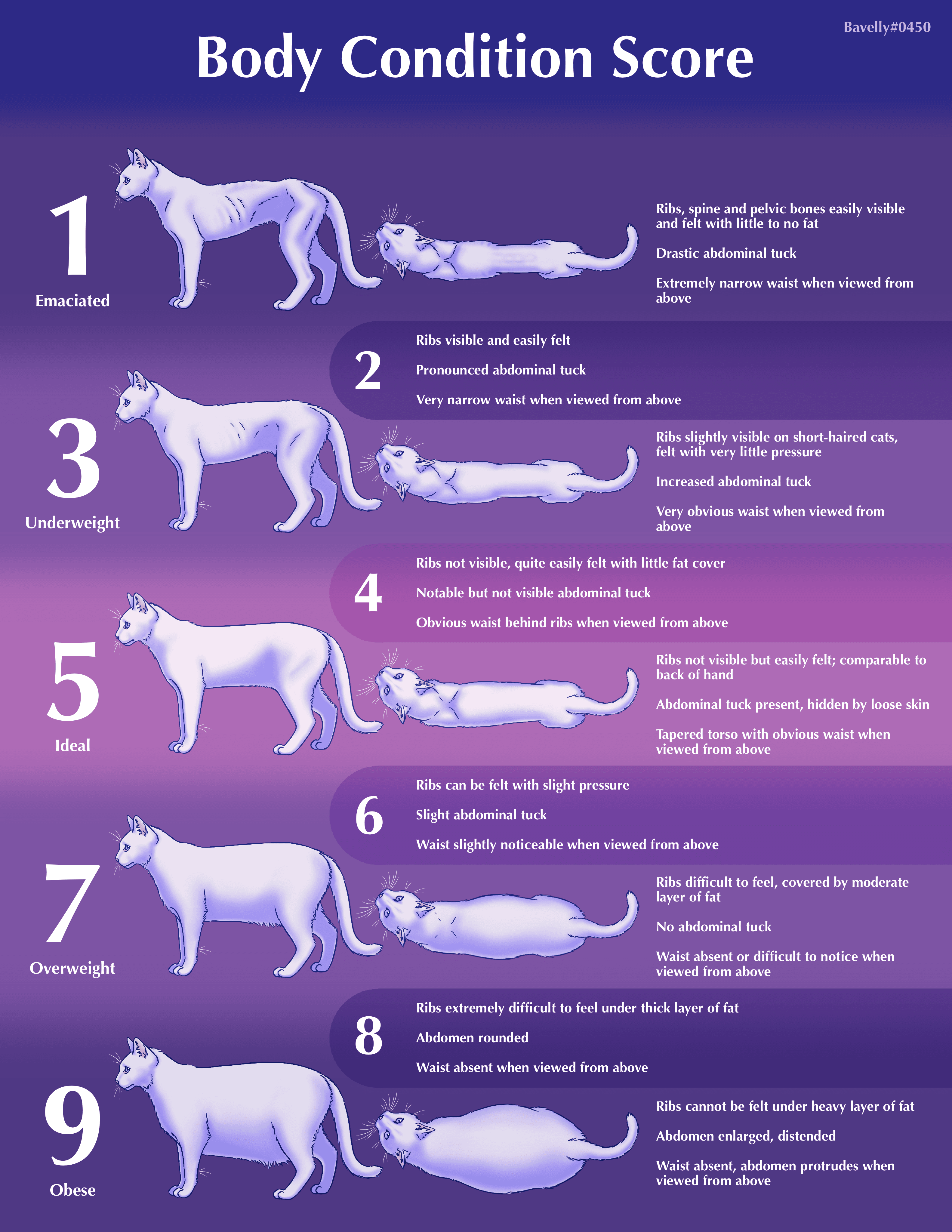
When veterinarians discuss a cat’s weight, the conversation often centers on feline obesity. However, many cats also struggle with being underweight, and helping them gain weight can be as complex as managing excess pounds. It’s not simply a matter of increasing food portions. The crucial first step is to identify the underlying reason for your cat’s weight loss, which will then guide a safe and effective plan for them to return to a healthy weight.
Several health conditions can lead to unintended weight loss in cats. These include intestinal parasites, kidney disease, hyperthyroidism, diabetes, dental disease, gastrointestinal issues, lung disease, chronic pain, and cancer. Identifying and treating the root cause is paramount before focusing solely on weight gain.
Creating a Personalized Action Plan for Your Cat
Once you and your veterinarian have established a plan to address any underlying medical conditions, you can concentrate on the weight gain process. Your veterinarian will likely provide specific recommendations tailored to your cat’s age and medical needs. A diet customized to your cat’s unique health condition offers the best chance for a positive outcome. Your vet will also help determine your cat’s ideal weight and can schedule regular weigh-ins to monitor progress and ensure they don’t exceed their target weight.
For cats who are unwell, regaining a healthy weight goes beyond simply increasing calorie intake. Therapeutic diets designed for specific conditions are formulated with the precise macronutrients and micronutrients needed to support weight gain while simultaneously managing disease-related concerns.
Nutritional Strategies for Feline Weight Gain
If your cat’s health issues are being managed—such as successfully treated parasites or extracted painful teeth—correcting a calorie deficit might be the primary intervention needed. Your veterinarian will look for several key characteristics in a healthy cat food to promote weight gain.
Selecting a Palatable Food Your Cat Will Enjoy
The initial and most critical step is finding a food that your cat finds appealing and that doesn’t cause digestive upset. The ideal food will meet their dietary requirements while being highly palatable, encouraging them to eat it willingly. It’s common for cats to have strong preferences for specific flavors, food types (canned or dry), or even textures. Conversely, they may be repulsed by certain aspects. Successfully navigating these preferences is the first, and most important, hurdle in ensuring your cat eats well and gains weight.
Ensuring Nutritional Adequacy
Cats are obligate carnivores, meaning their essential nutrients must come from animal-based products. Natural prey for cats, like small rodents, are estimated to consist of approximately 55% protein, 45% fat, and 1–2% carbohydrate on a dry matter basis. While their natural diet is very low in carbohydrates, most cats can efficiently utilize up to 40% of their diet in carbohydrate form for energy. Generally, dry cat food tends to have a higher carbohydrate content than wet food.
Recommended Cat Food Options for Weight Gain
High-quality kitten food is an excellent option for promoting weight gain in healthy cats, as most kittens enjoy it. For instance, nutritious dry cat food specifically formulated for young kittens is nutrient- and calorie-dense and is often highly palatable.
Your veterinarian may also prescribe specialized high-calorie cat foods. These therapeutic diets are highly digestible and provide the necessary extra calories for weight gain while addressing specific medical needs.
Calculating the Correct Food Portions
Once you’ve identified a food that meets your cat’s nutritional needs and sparks their appetite, the next step is determining the appropriate portion sizes. Mathematical calculations are helpful here. For gradual and healthy weight gain, it’s generally recommended to calculate your cat’s resting metabolic rate and then feed that amount of calories plus an additional 20%. Your veterinarian can assist you in converting this caloric intake into the correct volume of food.
Practical Tips to Aid Your Cat’s Weight Gain
Addressing underlying health issues, choosing the right food, and calculating portion sizes are fundamental to success. However, these are just the starting points. Establishing a consistent feeding routine is also crucial. Here are some effective tips to encourage your cat to eat reliably and gain weight safely:
Feed Small, Frequent Meals
A cat’s stomach is relatively small, so feeding large meals at once may not be ideal. Whether your cat prefers wet food, dry food, or a combination, try offering small portions, such as one tablespoon, every few hours. These smaller, regular meals are generally better tolerated and can help reduce the risk of vomiting after eating.
Gently Warm Wet Food
The aroma of food can stimulate a cat’s appetite. Warming up wet food can enhance its smell, making it more enticing. To do this, place the food in a microwave-safe bowl and heat it for a few seconds. The optimal temperature for most cats is close to their body temperature, around 38.5°C (101.5°F).
Offer Appropriate Snacks
Healthy snacks offered between meals can contribute to weight gain. Consider offering small, high-protein treats, such as freeze-dried chicken pieces, between meals. Ensure these snacks are simple and made from quality ingredients.
Minimize Your Cat’s Stress
A calm and relaxed cat is more likely to have a good appetite. Cats are naturally solitary hunters and eaters, preferring to consume their meals undisturbed. While it’s natural to want to dote on a sick cat, they may eat better if given some personal space during meal times.
Consult Your Vet About Appetite Stimulants
For some cats, appetite-stimulating medications prescribed by your veterinarian can be beneficial. These medications can help create a feeling of hunger, encouraging your cat to eat. If administering pills is challenging, ask your vet if appetite stimulants are available in transdermal forms (applied as a patch or gel to the skin or gums).
Featured Image: iStock.com/AaronAma
