
Receiving a diagnosis of liver disease for your beloved feline companion can be concerning. As a devoted pet owner, your primary goal is to ensure your cat lives as comfortably and as long as possible. While your veterinarian may prescribe medications to address the underlying cause, proper nutrition plays a critically important role in managing this condition. Understanding the liver’s vital functions and the consequences of its malfunction is the first step towards effective dietary management.
The liver is a powerhouse organ, performing numerous essential tasks that maintain your cat’s overall health. These functions include:
- Digestion and Nutrient Absorption: Specifically, the liver aids in the absorption of fats from food.
- Detoxification: It processes and removes by-products of digestion, such as ammonia, which can be toxic if they accumulate.
- Protein Synthesis: The liver produces crucial proteins, including:
- Blood clotting factors, essential for preventing excessive bleeding.
- Albumin, which helps regulate fluid balance within the circulatory system and transports various substances.
- Hormones that regulate bodily functions.
- Blood Glucose Regulation: It plays a key role in maintaining stable blood sugar levels.
When the liver is compromised by disease, its ability to perform these functions diminishes, leading to a cascade of health issues. Liver disorders in cats can stem from various causes, including:
- Infections: Bacterial, viral, fungal, protozoal, or parasitic agents.
- Toxins and Medications: Exposure to harmful substances or adverse reactions to certain drugs.
- Inflammatory Processes: Inflammation originating elsewhere in the body, trauma, chemical irritants, or autoimmune diseases.
- Reduced Blood Flow: Conditions like heart failure or congenital abnormalities that restrict blood supply to the liver.
- Idiopathic Causes: In some cases, the exact cause remains unknown.
Progressive liver disease can lead to significant dysfunction and, ultimately, liver failure. This results in the dangerous accumulation of toxins, particularly ammonia, which can affect the nervous system and digestive tract. A reduction in protein synthesis can lead to fluid accumulation in the body cavities (ascites) and impaired blood clotting. Furthermore, maintaining normal blood sugar levels becomes challenging.
Goals of Nutritional Intervention
Dietary therapy is a cornerstone in managing feline liver disease, aiming to support the liver’s remaining function and minimize further damage. The primary goals of nutritional intervention are to:
- Provide Adequate Energy: Ensuring sufficient caloric intake, often through high-quality protein sources.
- Reduce Sodium: Limiting sodium helps to mitigate fluid retention and ascites.
- Increase Antioxidants: Antioxidants like vitamin E, vitamin C, and selenium help protect liver cells from damage caused by oxidative stress.
- Manage Hepatic Encephalopathy: For cats experiencing hepatic encephalopathy – a condition resulting from ammonia toxicity affecting the brain – the diet may need to be adjusted to reduce ammonia production.
Implementing Dietary Changes
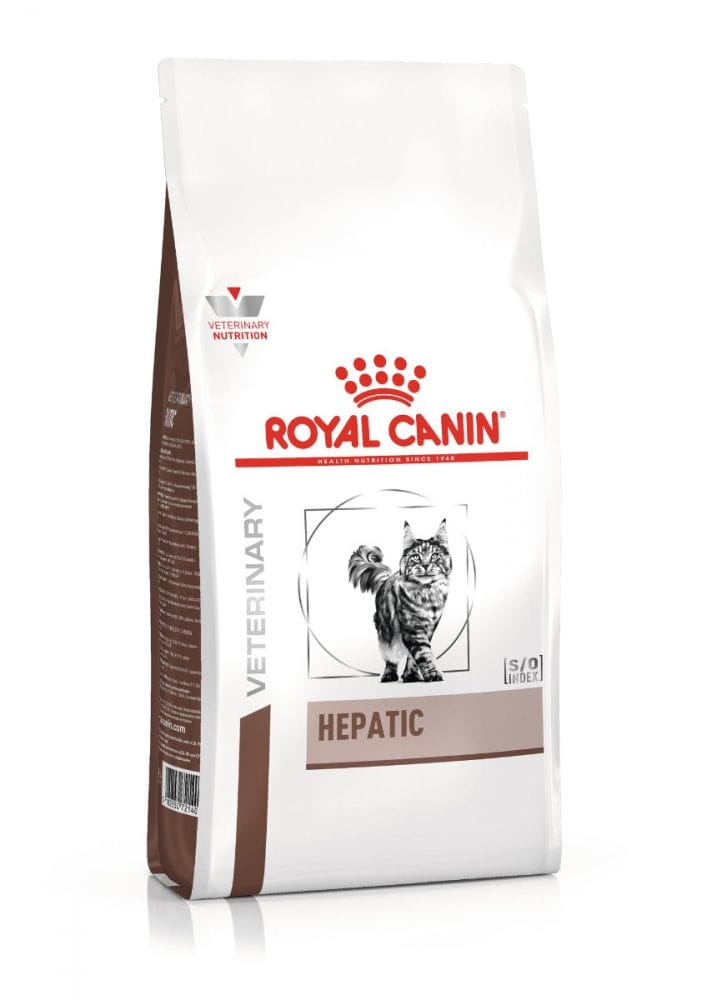
The initial step in managing liver disease is transitioning your cat to a specialized therapeutic diet formulated to meet these nutritional requirements. Several commercial veterinary diets are available, tailored to the specific needs of cats with liver conditions. Another option for dedicated owners is a home-prepared diet, created from a recipe developed by a veterinary nutritionist familiar with your cat’s case. Your veterinarian is the best resource to help you determine the most appropriate diet for your cat.
In general, diets recommended for cats with liver disease should possess the following characteristics:
- High-Quality Protein: Easily digestible protein sources help reduce the workload on the liver.
- Highly Digestible Carbohydrates: Provide a readily available energy source.
- High-Quality Fats: Essential for energy and absorption of fat-soluble vitamins.
- Added Antioxidants: As mentioned, vitamins E, C, and selenium are crucial for cellular protection.
It is crucial to introduce dietary changes gradually to encourage acceptance of the new food. If your cat shows a lack of appetite, placement of a feeding tube may be necessary to prevent a negative energy balance and the development or worsening of hepatic lipidosis, also known as fatty liver syndrome.
For cats with hepatic encephalopathy, a diet with carefully controlled protein levels can help reduce ammonia production. If ascites is a concern, a very low sodium diet is essential to prevent exacerbation. Close collaboration with your veterinarian is vital, not only at the time of diagnosis but also through regular follow-up appointments, to ensure your cat receives the ongoing nutritional support needed for the longest, healthiest life possible.
For more information on specialized feline diets, you may find resources on weight control cat food wet and best weight control cat food helpful, although specific veterinary therapeutic diets for liver disease will be recommended by your vet. Understanding conditions like feline pancreatitis diet can also provide context for how diet impacts specific feline health issues. Always consult your veterinarian for personalized dietary recommendations for your cat.
Stay tuned for our next installment, “Nutrition Nuggets for Cats: Nutritional Supplements for Cats with Liver Disease.”
