
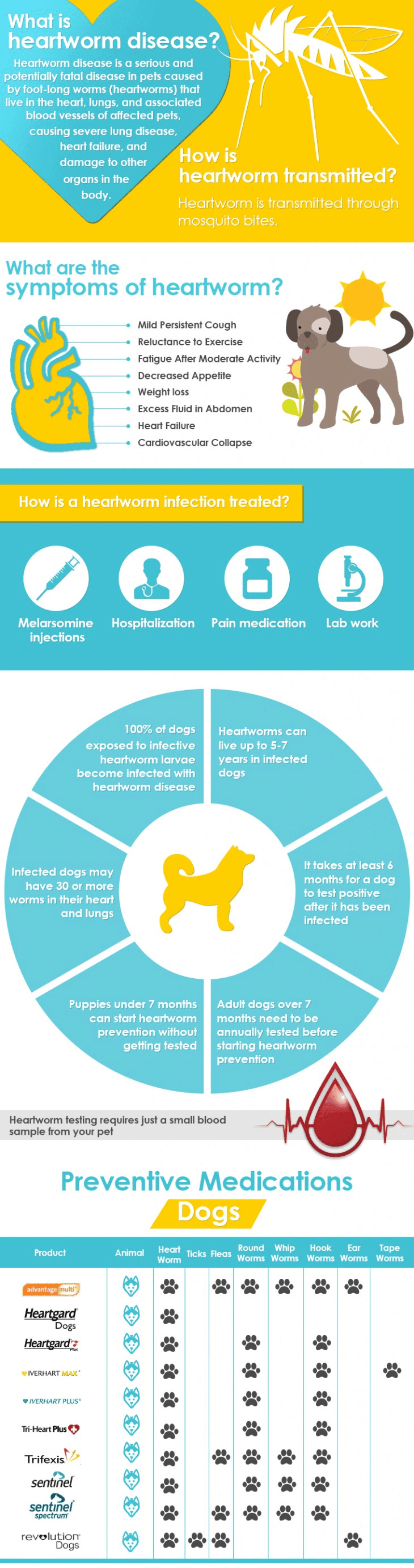
If a dog tests positive for heartworms, it signifies an infestation by Diarima immitis, the parasite responsible for heartworm disease. This dangerous worm has a prolonged life cycle, ultimately settling in a dog’s heart and pulmonary arteries. As these worms multiply, they impede blood flow, potentially leading to heart failure. Common symptoms include coughing, lethargy, and reduced stamina during exercise, though some dogs may exhibit weight loss, labored breathing, or excessive panting. Without intervention, the disease can progress to right-sided heart failure. However, it’s crucial to understand that heartworm disease is treatable, and affected dogs can lead healthy and fulfilling lives.
Adopting a dog that has tested positive for heartworms should not be seen as a deterrent. While the disease can unfortunately be fatal for some dogs, heartworm-positive dogs are often overlooked in shelters. This is largely due to a stigma that associates them with severe illness or behavioral issues. In reality, these dogs frequently make excellent companions and can maintain a good quality of life with appropriate treatment and management.
These dogs often end up in shelters due to neglect, abandonment, or confiscation. They may be strays, lost pets, transferred from other regions, owner surrenders, or victims of hoarding situations. Heartworm-positive dogs pose a risk to other dogs because they act as reservoirs for the parasite, which is transmitted by mosquitoes. It is important to note that dogs cannot transmit heartworm disease directly to each other.
To assess the severity of heartworm disease, it’s important to classify the worm’s stage and observe any exhibited symptoms. Shelters typically test dogs for heartworms upon intake, especially if they are strays, or may have a medical history if surrendered. This information is vital before scheduling your first veterinary appointment.
When considering adoption, ask about the dog’s past and current medical history, including any diagnostics or treatments like blood work and chest x-rays. Inquire about how long they’ve had heartworm disease, their current class or stage, and whether they have already begun treatment. Understand their progress and any side effects from treatment, as well as their current heartworm preventive medication. Additionally, ask if the shelter offers any assistance with treatment costs or future prevention.
Treatment Options for Heartworm Disease in Dogs
Heartworm disease is typically categorized into four classes based on the infection’s severity and treatment risks:
- Class 1 Heartworm: Dogs test positive but show minimal to no symptoms, perhaps only a slight cough.
- Class 2 Heartworm: Dogs exhibit moderate symptoms such as exercise intolerance.
- Class 3 Heartworm: Dogs are significantly ill and debilitated.
- Class 4 Heartworm (Caval Syndrome): This is a life-threatening emergency where worms obstruct blood flow from the heart, often requiring immediate surgical intervention.
Further testing may be recommended to accurately classify the dog’s heartworm stage. Discuss any performed tests and their results with shelter staff. If the shelter has only conducted a general heartworm test, ensure a comprehensive heartworm test is performed during your initial veterinary visit.
The good news is that heartworm disease in dogs is curable. Treatment typically involves:
- Steroids: To reduce inflammation caused by the worms.
- Antibiotics (e.g., doxycycline): To eliminate Wolbachia, a symbiotic organism within the heartworm that, when removed, makes the host worm easier to kill and minimizes secondary inflammation.
- Heartworm Preventive: To eliminate circulating microfilariae and prevent immature worms from developing into adults.
- Melarsomine Injection: An arsenic-based medication designed to kill adult heartworms. This is known as the “fast kill” method and is recommended by the American Heartworm Society (AHS). While the AHS does not endorse the “slow kill” method (using doxycycline and monthly preventives), it may be an alternative if “fast kill” is not feasible. However, this prolonged treatment duration increases the risk of continued damage to the heart and organs. Consult your veterinarian to determine the most suitable treatment plan for your dog.
Cost of Heartworm Disease Treatment in Dogs
The financial commitment for heartworm treatment often approximates the cost of 13 years of monthly prevention, with expenses varying by geographic location. Fortunately, many shelters cover some or all of the heartworm treatment costs as part of the adoption process. Pet insurance can be an option, especially before a diagnosis, though most policies exclude pre-existing conditions like heartworm disease. If these avenues are unavailable, treatment from your veterinarian can range from several hundred to $1,800, depending on the dog’s size.
Long-Term Management of Heartworm Disease in Dogs
If you are considering adopting a heartworm-positive dog that has not yet begun treatment, be aware that the treatment process carries risks, including shock, blood clots, or sudden death. However, the prognosis is generally better with earlier detection and treatment. Dogs that undergo successful treatment can continue to be wonderful companions. If a dog has already completed treatment and shows no long-term complications, ongoing year-round prevention is the primary concern.
Prevention of Heartworm Disease in Dogs
Regardless of whether your dog has undergone treatment, year-round heartworm prevention is essential. Numerous affordable options are available, including tablets, topicals, and injectables offering protection for one month to a full year. Some products combine flea and tick control for more comprehensive protection.
If your dog has not yet been treated, consult with shelter staff and your veterinarian regarding specific preventive medications suitable during treatment to minimize potential complications.
Adopting a Heartworm-Positive Dog FAQS
Can dogs fully recover from heartworm?
Yes, with early detection and appropriate treatment, dogs can often lead good-quality lives. However, some may experience complications from the disease or its treatment, potentially resulting in lifelong issues. Even after recovery, reinfection is possible if preventive measures are not maintained.
Does heartworm treatment shorten a dog’s life?
Most dogs treated for heartworm disease recover and live relatively normal lifespans.
Can I get pet insurance if my dog has heartworm?
Typically, pet insurance companies consider heartworm disease a pre-existing condition, excluding coverage for dogs previously diagnosed. Insurance purchased before diagnosis may cover treatment.
Featured Image: iStock.com/mladenbalinovac
